Zanna Bianca
1906

Published in 1906, 'Zanna Bianca' by Jack London tells the story of a wild wolf-dog navigating the brutal realities of nature and human society. The narrative follows Zanna Bianca's transformation from a fierce, solitary creature to a domesticated companion after being rescued from a life of violence by a compassionate man named Weedon Scott. The novel explores themes of survival, loyalty, and the complex relationship between humans and animals, set against the backdrop of the unforgiving Canadian wilderness.
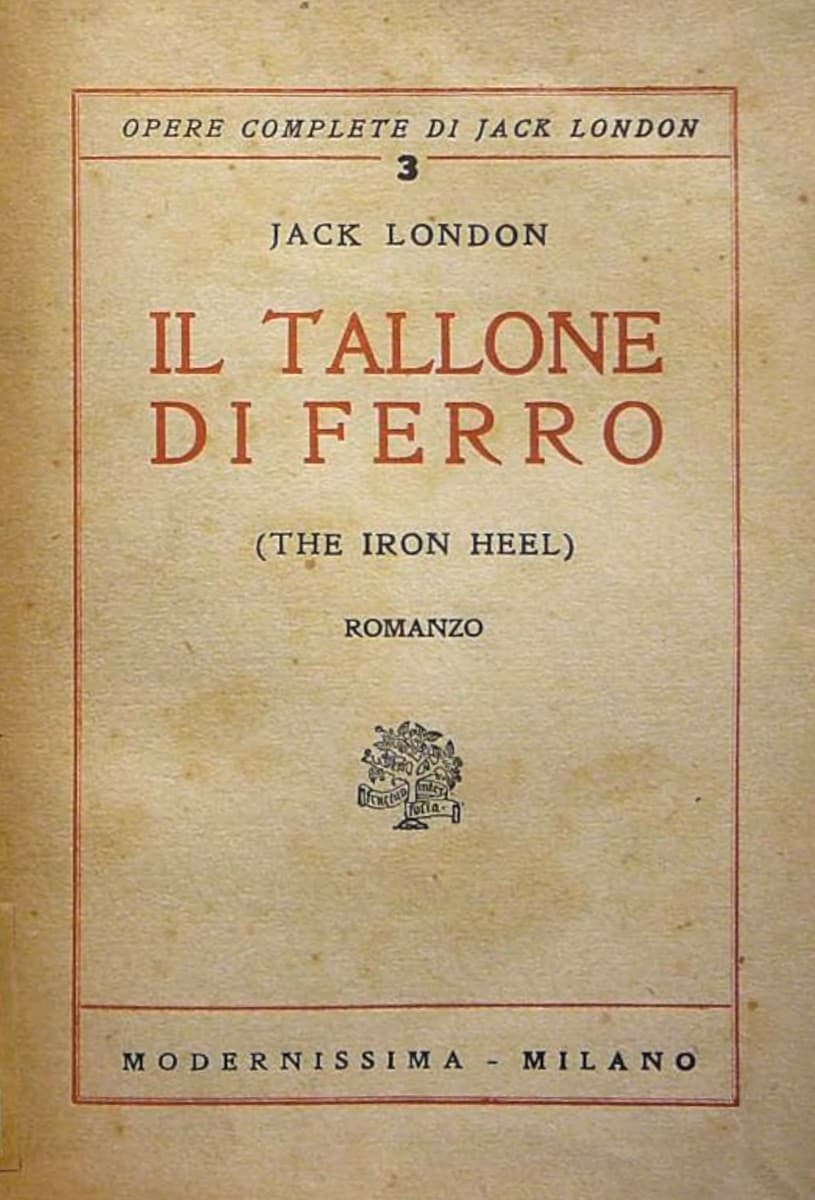
Editions

X-Ray
“The Wild still lingered in him and the wolf in him merely slept.””
— Jack London
“He was a silent fury who no torment could tame.””
— Jack London
“Fear urged him to go back, but growth drove him on.””
— Jack London
“White Fang knew the law well: to oppress the weak and obey the strong.””
— Jack London
“He had no conscious knowledge of death, but like every animal of the Wild, he possessed the instinct of death. To him it stood as the greatest of hurts. It was the very essence of the unknown; it was the sum of the terrors of the unknown, the one culminating and unthinkable catastrophe that could happen to him, about which he knew nothing and about which he feared everything.””
— Jack London
“This expression of abandon and surrender, of absolute trust, he reserved for the master alone.””
— Jack London
“His conclusion was that things were not always what they appeared to be. The cub's fear of the unknown was an inherited distrust, and it had now been strengthened by experience. Thenceforth, in the nature of things, he would possess an abiding distrust of appearances.””
— Jack London
“The aim of life was meat. Life itself was meat. Life lived on life. There were the eaters and the eaten. The law was: EAT OR BE EATEN. He did not formulate the law in clear, set terms and moralize about it. He did not even think the law; he merely lived the law without thinking about it at all.””
— Jack London
“But it did not all happen in a day, this giving over of himself, body and soul, to the man-animals. He could not immediately forego his wild heritage and his memories of the Wild. There were days when he crept to the edge of the forest and stood and listened to something calling him far and away.””
— Jack London
Link to this book
Add a free, dofollow link to Lex on your blog, forum, syllabus, or reading list.

<a href="https://lex-books.com/book/zanna-bianca-a7954529-95bd-459d-ad76-adacb879cbd6"><img src="https://lex-books.com/badges/read-on-lex.svg" alt="Read Zanna Bianca by Jack London free on Lex" width="160" height="40"></a>[](https://lex-books.com/book/zanna-bianca-a7954529-95bd-459d-ad76-adacb879cbd6)[url=https://lex-books.com/book/zanna-bianca-a7954529-95bd-459d-ad76-adacb879cbd6][img]https://lex-books.com/badges/read-on-lex.svg[/img][/url]Read Zanna Bianca by Jack London free on Lex: https://lex-books.com/book/zanna-bianca-a7954529-95bd-459d-ad76-adacb879cbd6Cite this book
Reading this edition for a paper or guide? Copy a citation.
London, Jack. Zanna Bianca. Lex, lex-books.com/book/zanna-bianca-a7954529-95bd-459d-ad76-adacb879cbd6.London, J. (1906). Zanna Bianca. Lex. https://lex-books.com/book/zanna-bianca-a7954529-95bd-459d-ad76-adacb879cbd6London, Jack. Zanna Bianca. Lex. https://lex-books.com/book/zanna-bianca-a7954529-95bd-459d-ad76-adacb879cbd6.