Yekl: A Tale of the New York Ghetto
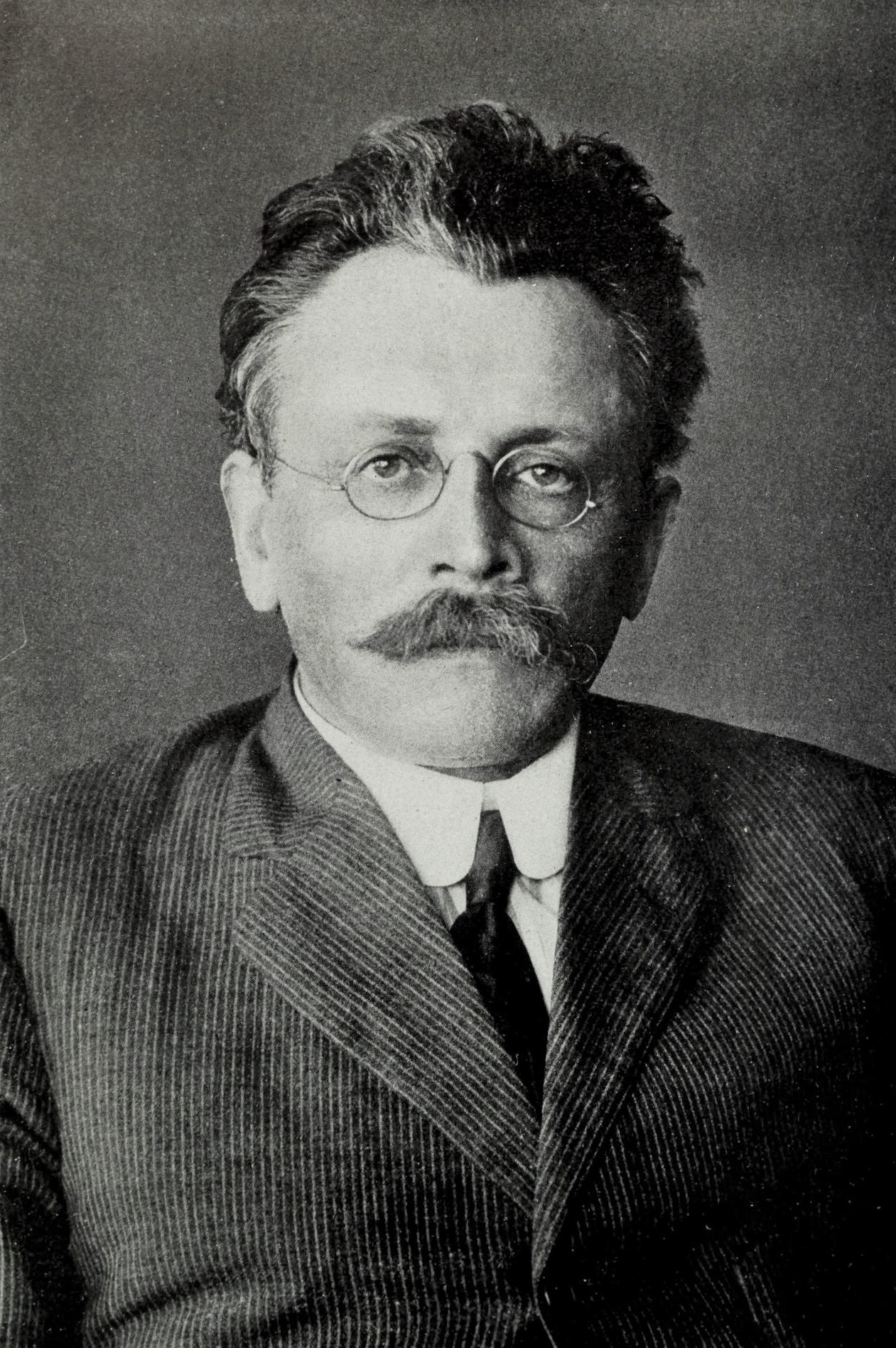
The year is 1890s New York. Yekl (formerly Jake) works in a Lower East Side sweatshop, speaking English with a Brooklyn accent he practiced in front of a mirror, dreaming of being a 'real American.' When his wife Gitl and young son Yosselé finally arrive from Russia, he finds himself facing the thing he never prepared for: he no longer loves her. She's everything he's been trying to escape, uncomfortably foreign, unsophisticated, still wearing the old country on her sleeve. Abraham Cahan's novella cuts to the bone of immigrant experience with a surgeon's precision and a poet's tenderness. This is no nostalgic period piece about 'the good old days.' It's a sharp, often funny, ultimately devastating portrait of what assimilation actually costs, the relationships, the identity, the ability to love the people who still carry the things you've tried to cut away. Gitl, left behind emotionally while her husband has already physically emigrated, becomes the quiet heart of the story, watching her marriage dissolve not through dramatic betrayal but through the slow violence of cultural mismatch. William Dean Howells called Cahan a humorist who 'does not spare the sordid and uncouth aspects of the character whose pathos he so tenderly reveals.' That tension, between comedy and heartbreak, between the ridiculous and the sacred, makes this novella feel startlingly modern, over a century later.
Editions
X-Ray
“This is not Europe where one dares not say a word to a strange woman! Nu, sir!””
— Abraham Cahan
“Their future seemed bright with joy, while his own loomed dark and impenetrable. What if he should now dash into Gitl’s apartments and, declaring his authority as husband, father, and lord of the house, fiercely eject the strangers, take Yoselé in his arms, and sternly command Gitl to mind her household duties? But the distance between him and the mayor’s office was dwindling fast. Each time the car came to a halt he wished the pause could be prolonged indefinitely; and when it resumed its progress, the violent lurch it gave was accompanied by a corresponding sensation in his heart.””
— Abraham Cahan
Link to this book
Add a free, dofollow link to Lex on your blog, forum, syllabus, or reading list.

<a href="https://lex-books.com/book/yekl-a-tale-of-the-new-york-ghetto-333ce53d-0835-4ded-8c4e-20c9cd5f77d9"><img src="https://lex-books.com/badges/read-on-lex.svg" alt="Read Yekl: A Tale of the New York Ghetto by Abraham Cahan free on Lex" width="160" height="40"></a>[](https://lex-books.com/book/yekl-a-tale-of-the-new-york-ghetto-333ce53d-0835-4ded-8c4e-20c9cd5f77d9)[url=https://lex-books.com/book/yekl-a-tale-of-the-new-york-ghetto-333ce53d-0835-4ded-8c4e-20c9cd5f77d9][img]https://lex-books.com/badges/read-on-lex.svg[/img][/url]Read Yekl: A Tale of the New York Ghetto by Abraham Cahan free on Lex: https://lex-books.com/book/yekl-a-tale-of-the-new-york-ghetto-333ce53d-0835-4ded-8c4e-20c9cd5f77d9Cite this book
Reading this edition for a paper or guide? Copy a citation.
Cahan, Abraham. Yekl: A Tale of the New York Ghetto. Lex, lex-books.com/book/yekl-a-tale-of-the-new-york-ghetto-333ce53d-0835-4ded-8c4e-20c9cd5f77d9.Cahan, A. (n.d.). Yekl: A Tale of the New York Ghetto. Lex. https://lex-books.com/book/yekl-a-tale-of-the-new-york-ghetto-333ce53d-0835-4ded-8c4e-20c9cd5f77d9Cahan, Abraham. Yekl: A Tale of the New York Ghetto. Lex. https://lex-books.com/book/yekl-a-tale-of-the-new-york-ghetto-333ce53d-0835-4ded-8c4e-20c9cd5f77d9.