Whale Hunting with Gun and Camera: A Naturalist's Account of the Modern Shore-Whaling Industry, of Whales and Their Habits, and of Hunting Experiences in Various Parts of the World
1916
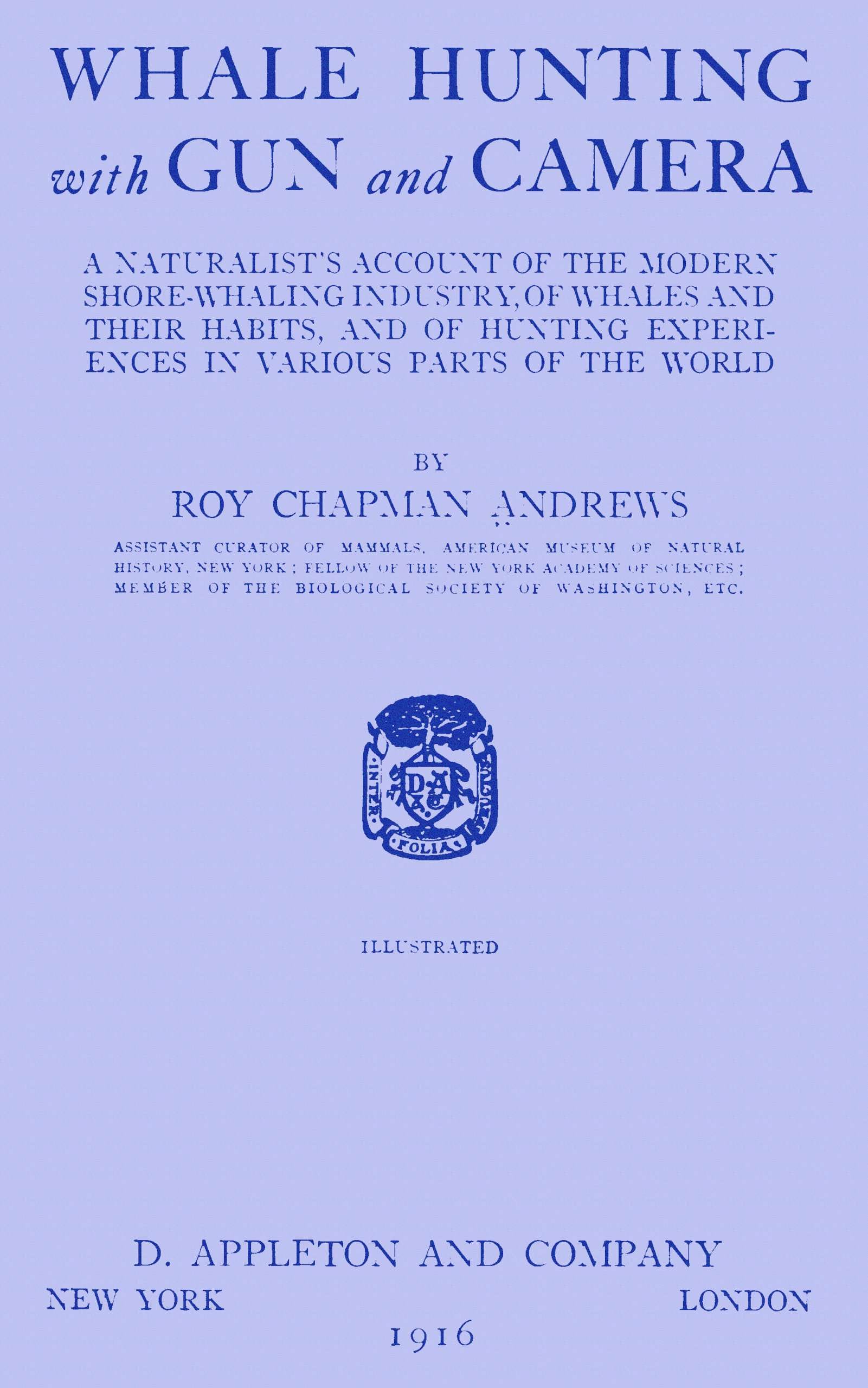
Whale Hunting with Gun and Camera: A Naturalist's Account of the Modern Shore-Whaling Industry, of Whales and Their Habits, and of Hunting Experiences in Various Parts of the World
1916
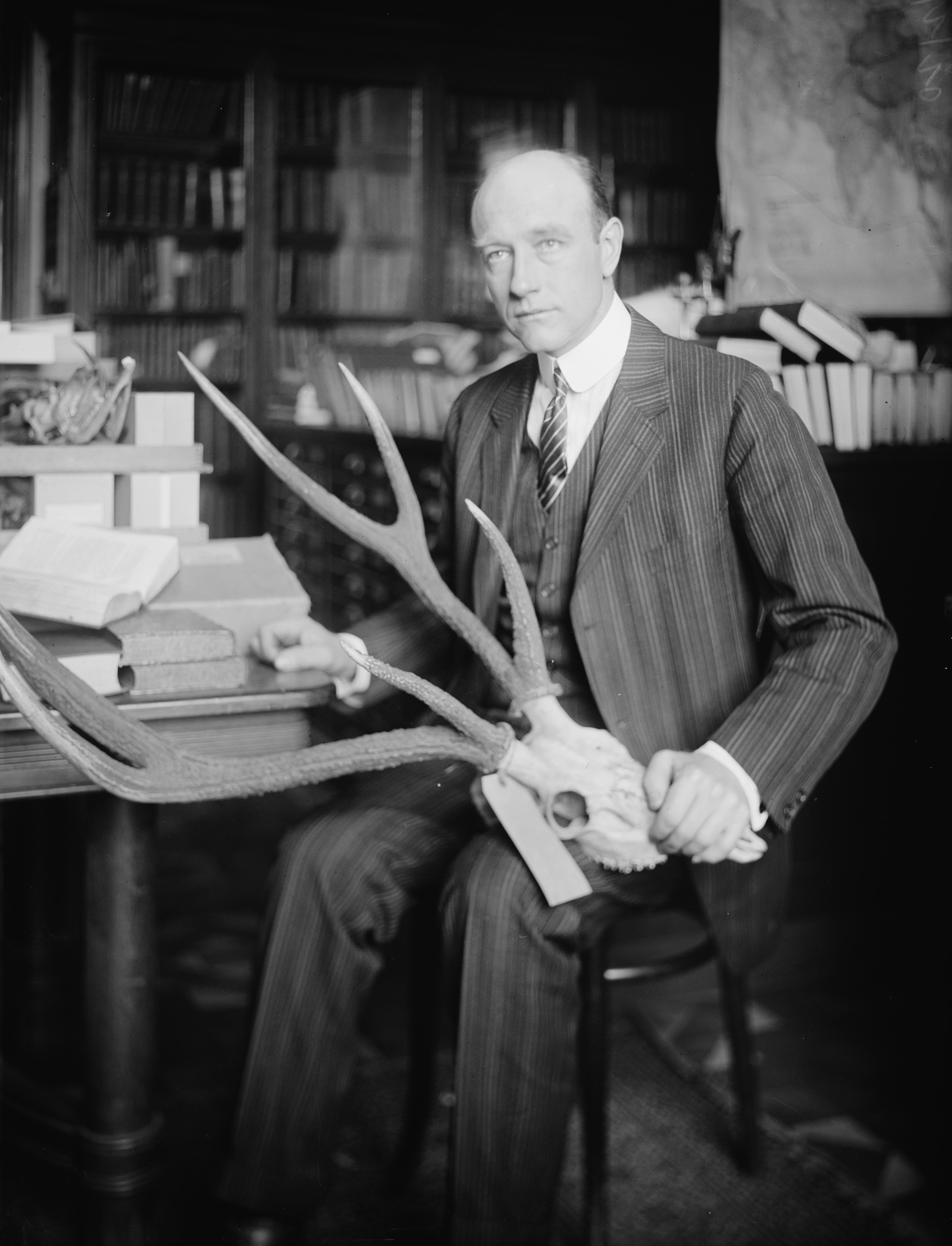
This is the young Roy Chapman Andrews before he became the famous explorer who would discover dinosaur eggs in the Gobi Desert. In 1916, he was a Smithsonian-bound naturalist with a camera and a harpoon gun, chasing whales across the world's most remote coastlines. The book captures the last great era of commercial shore whaling, when massive sperm whales still congregated in the fog-shrouded waters of the Pacific Northwest, when steam-powered catcher boats were revolutionizing the hunt, and when a curious 28-year-old could still wander onto a whaling station and witness the entire brutal process from killing floor to rendering vat. Andrews writes with the dual purpose that defines his best work: he is both scientist and adventurer, cataloging the anatomy and migration patterns of cetaceans while also describing what it feels like to stand in a small boat as a wounded whale sounders beneath you, dragging the vessel through the roiling sea. The photographs alone, many taken in conditions of considerable danger, make this a singular document of an industry that would devastate whale populations within decades and then vanish almost entirely. For readers interested in maritime history, early conservation science, or the making of one of America's most idiosyncratic explorers.
Editions

Link to this book
Add a free, dofollow link to Lex on your blog, forum, syllabus, or reading list.

<a href="https://lex-books.com/book/whale-hunting-with-gun-and-camera-a-naturalist-s-account-of-the-modern-shore-wha-3cd9a125-8c94-42f3-aea9-0cf70625833b"><img src="https://lex-books.com/badges/read-on-lex.svg" alt="Read Whale Hunting with Gun and Camera: A Naturalist's Account of the Modern Shore-Whaling Industry, of Whales and Their Habits, and of Hunting Experiences in Various Parts of the World by Roy Chapman Andrews free on Lex" width="160" height="40"></a>[](https://lex-books.com/book/whale-hunting-with-gun-and-camera-a-naturalist-s-account-of-the-modern-shore-wha-3cd9a125-8c94-42f3-aea9-0cf70625833b)[url=https://lex-books.com/book/whale-hunting-with-gun-and-camera-a-naturalist-s-account-of-the-modern-shore-wha-3cd9a125-8c94-42f3-aea9-0cf70625833b][img]https://lex-books.com/badges/read-on-lex.svg[/img][/url]Read Whale Hunting with Gun and Camera: A Naturalist's Account of the Modern Shore-Whaling Industry, of Whales and Their Habits, and of Hunting Experiences in Various Parts of the World by Roy Chapman Andrews free on Lex: https://lex-books.com/book/whale-hunting-with-gun-and-camera-a-naturalist-s-account-of-the-modern-shore-wha-3cd9a125-8c94-42f3-aea9-0cf70625833bCite this book
Reading this edition for a paper or guide? Copy a citation.
Andrews, Roy Chapman. Whale Hunting with Gun and Camera: A Naturalist's Account of the Modern Shore-Whaling Industry, of Whales and Their Habits, and of Hunting Experiences in Various Parts of the World. Lex, lex-books.com/book/whale-hunting-with-gun-and-camera-a-naturalist-s-account-of-the-modern-shore-wha-3cd9a125-8c94-42f3-aea9-0cf70625833b.Andrews, R. C. (1916). Whale Hunting with Gun and Camera: A Naturalist's Account of the Modern Shore-Whaling Industry, of Whales and Their Habits, and of Hunting Experiences in Various Parts of the World. Lex. https://lex-books.com/book/whale-hunting-with-gun-and-camera-a-naturalist-s-account-of-the-modern-shore-wha-3cd9a125-8c94-42f3-aea9-0cf70625833bAndrews, Roy Chapman. Whale Hunting with Gun and Camera: A Naturalist's Account of the Modern Shore-Whaling Industry, of Whales and Their Habits, and of Hunting Experiences in Various Parts of the World. Lex. https://lex-books.com/book/whale-hunting-with-gun-and-camera-a-naturalist-s-account-of-the-modern-shore-wha-3cd9a125-8c94-42f3-aea9-0cf70625833b.