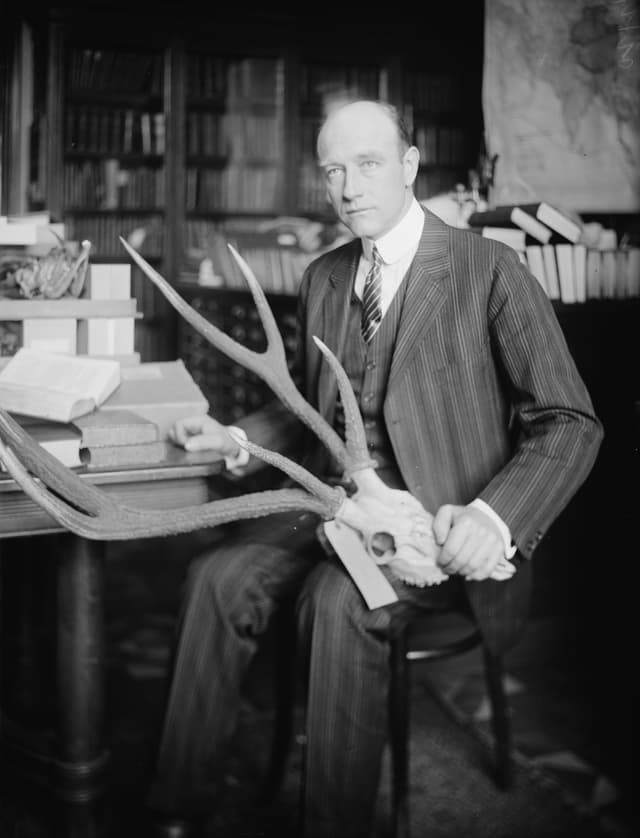
Roy Chapman Andrews
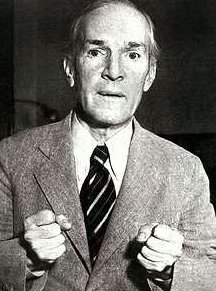
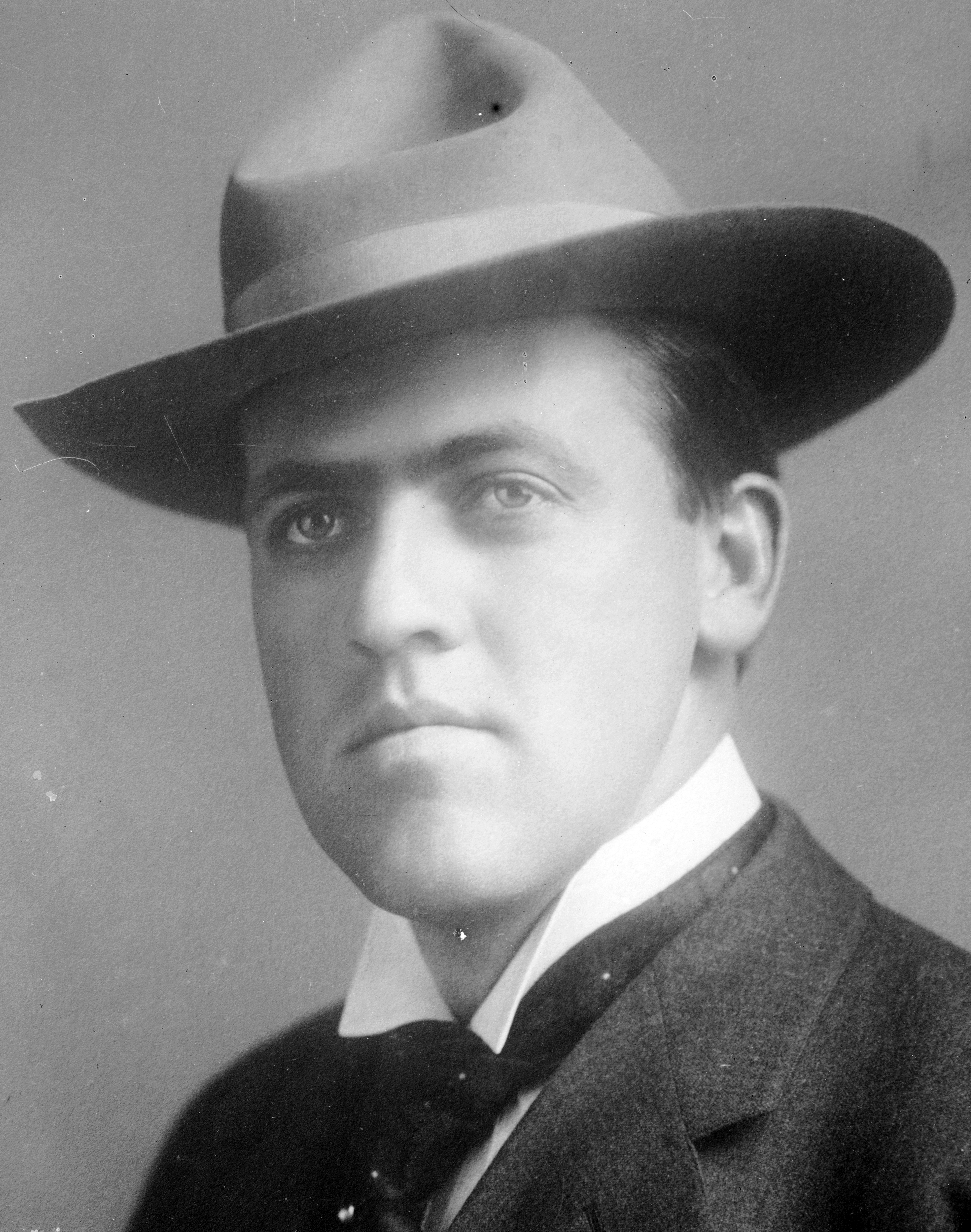
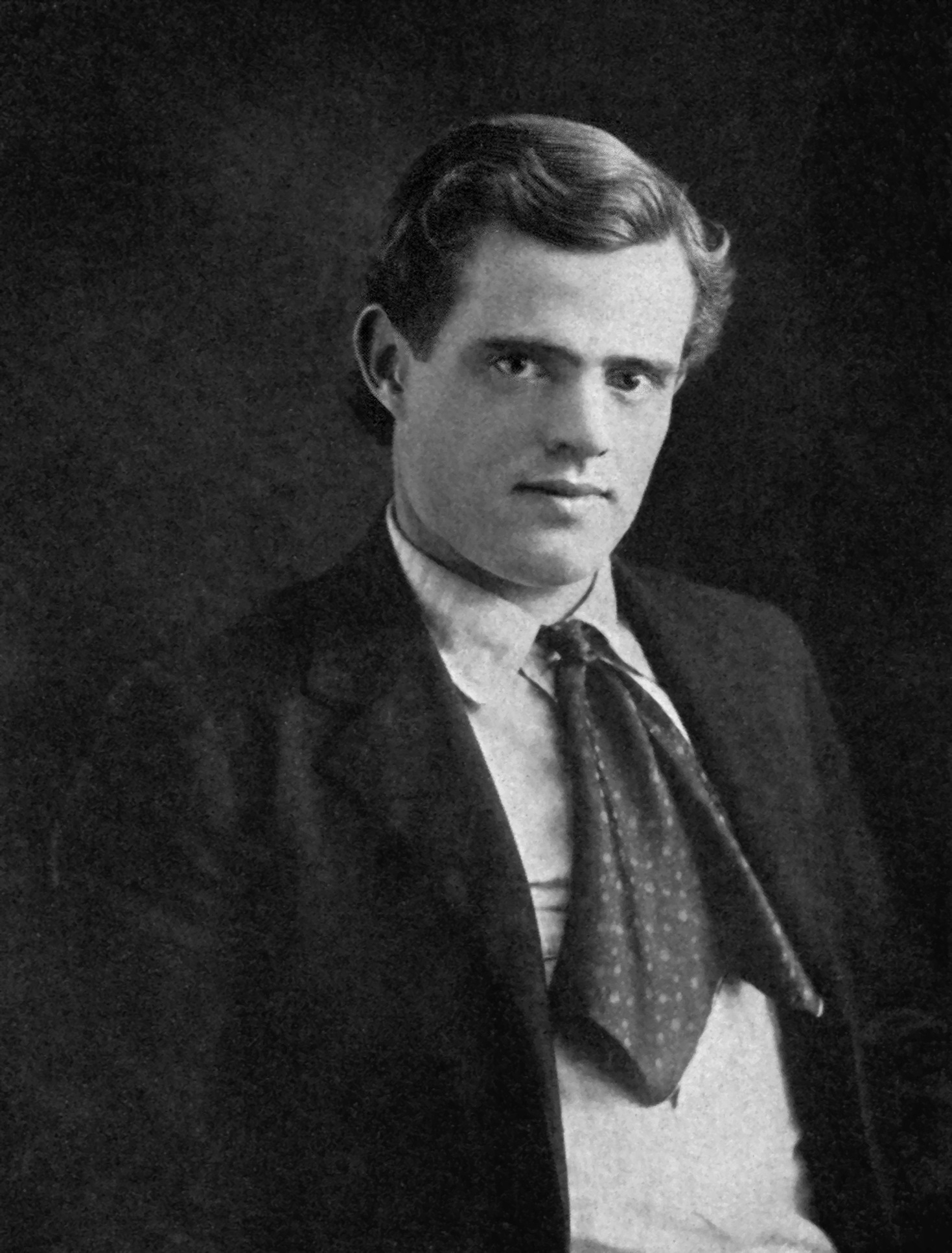
Roy Chapman Andrews was an American explorer and naturalist renowned for his groundbreaking expeditions in the early 20th century. As the director of the American Museum of Natural History, he led a series of significant journeys through the politically tumultuous landscapes of China, particularly the Gobi Desert and Mongolia. His expeditions were pivotal in paleontological research, most notably for the discovery of the first-known fossil dinosaur eggs, which greatly enriched the museum's collection and contributed to the understanding of prehistoric life. Andrews' adventures were not only scientifically important but also captured the public's imagination through his engaging writings. His ability to convey the thrill of exploration and discovery made him a popular figure in his time. His work laid the groundwork for future paleontological studies and inspired a generation of explorers and scientists, cementing his legacy as a key figure in the history of American natural history and exploration.
Famous Quotes
View all 3 quotes“Always there has been an adventure just around the corner--and the world is still full of corners.”
“I never let practical considerations clutter my youthful dreams.”
“Palaeontology is the Aladdin's lamp of the most deserted and lifeless regions of the earth; it touches the rocks and there spring forth in orderly succession the monarchs of the past and the ancient river streams and savannahs wherein they flourished. The rocks usually hide their story in the most difficult and inaccessible places.”
Books from the author


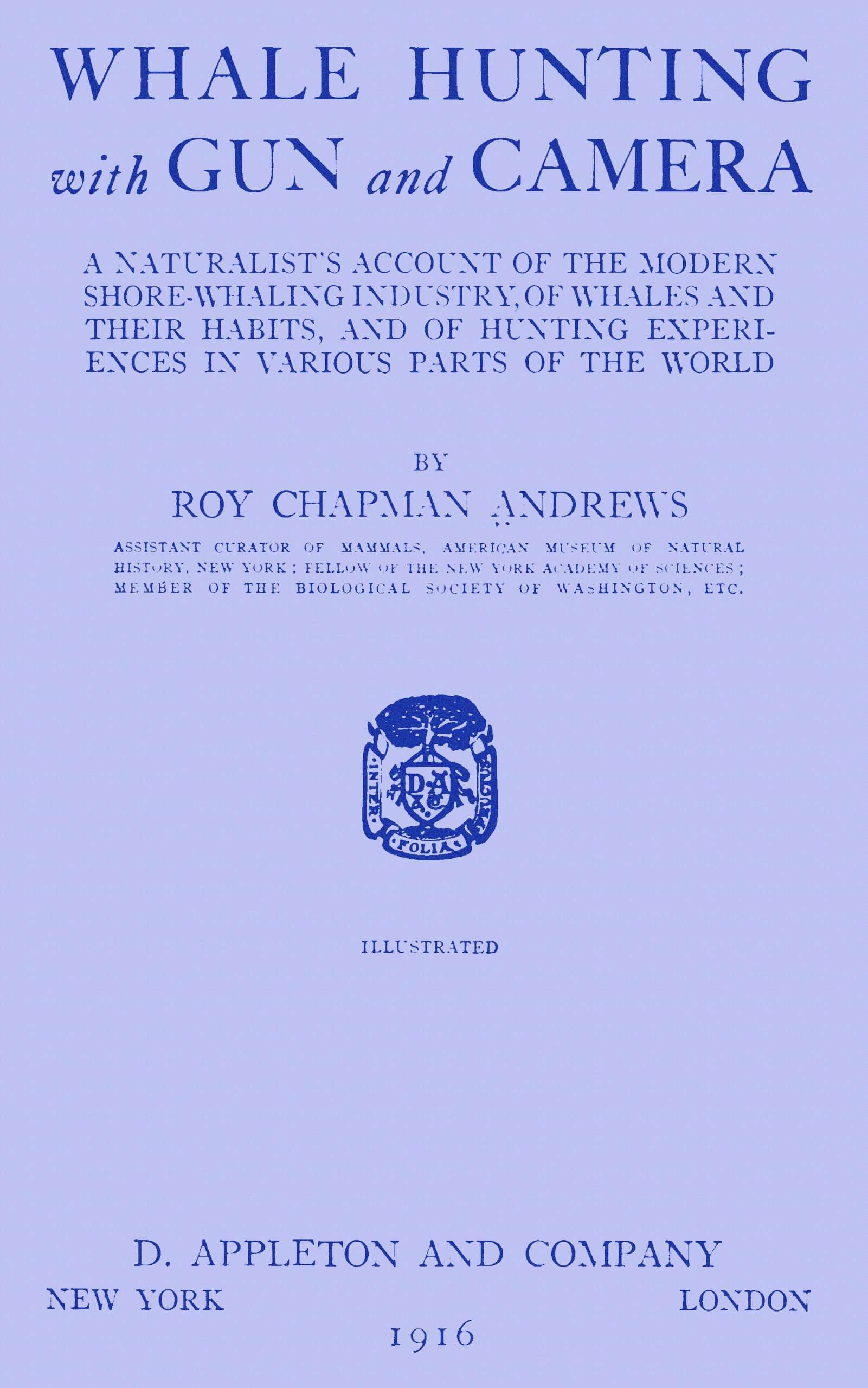







Link to this page
Add a free, dofollow link to Lex on your blog, forum, syllabus, or reading list.

<a href="https://lex-books.com/author/roy-chapman-andrews"><img src="https://lex-books.com/badges/read-on-lex.svg" alt="Roy Chapman Andrews on Lex" width="160" height="40"></a>[](https://lex-books.com/author/roy-chapman-andrews)[url=https://lex-books.com/author/roy-chapman-andrews][img]https://lex-books.com/badges/read-on-lex.svg[/img][/url]Roy Chapman Andrews on Lex: https://lex-books.com/author/roy-chapman-andrews