“We”
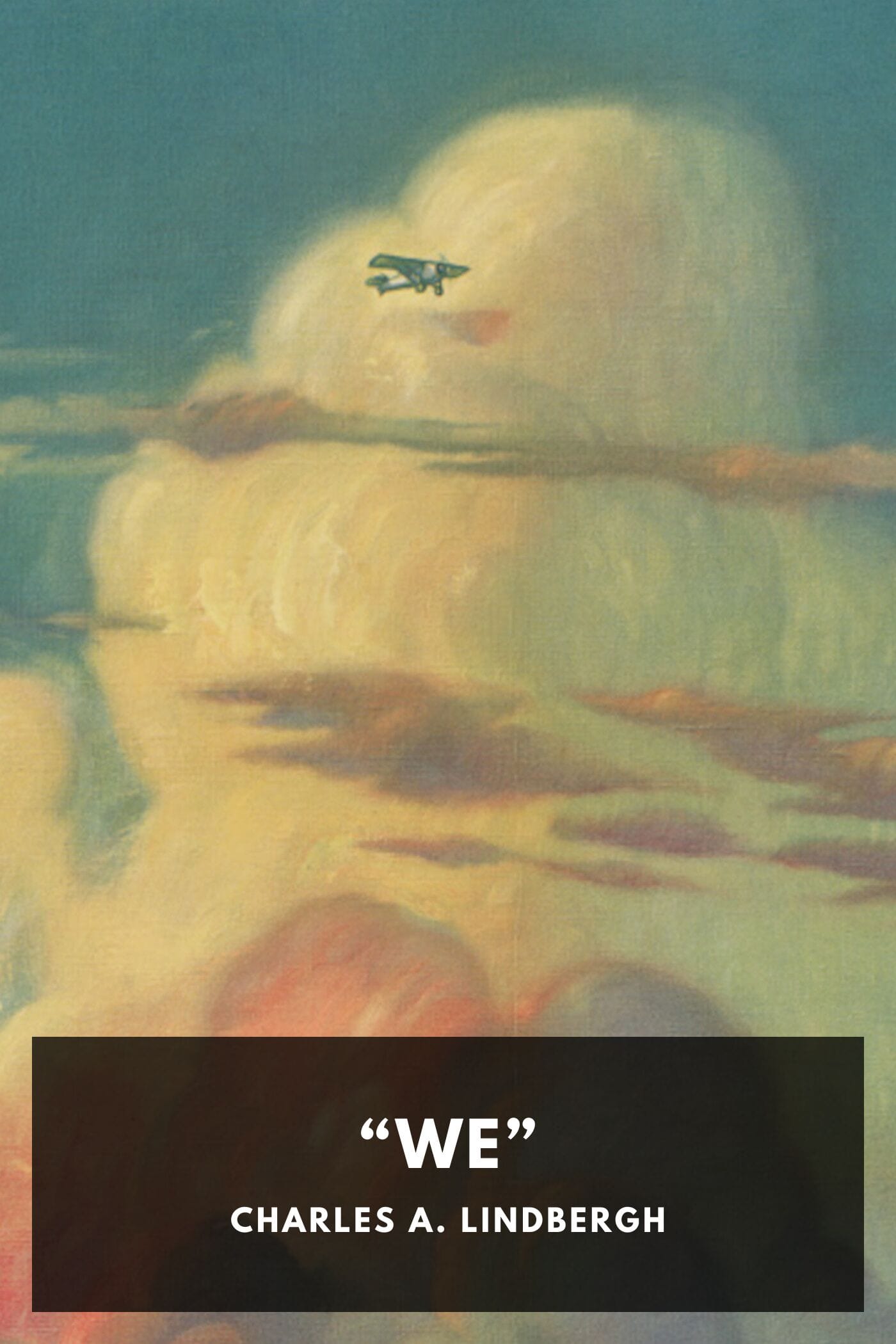
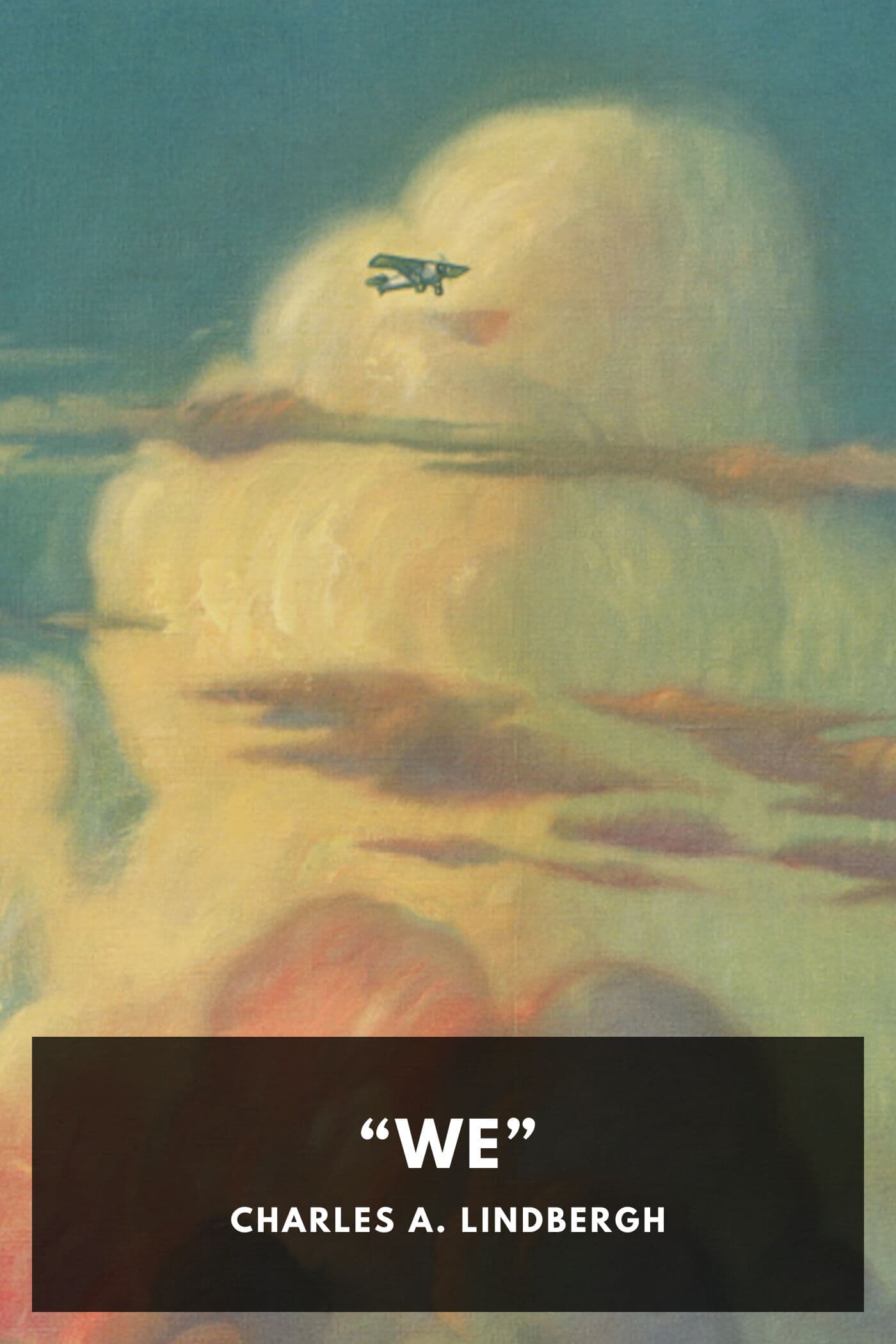
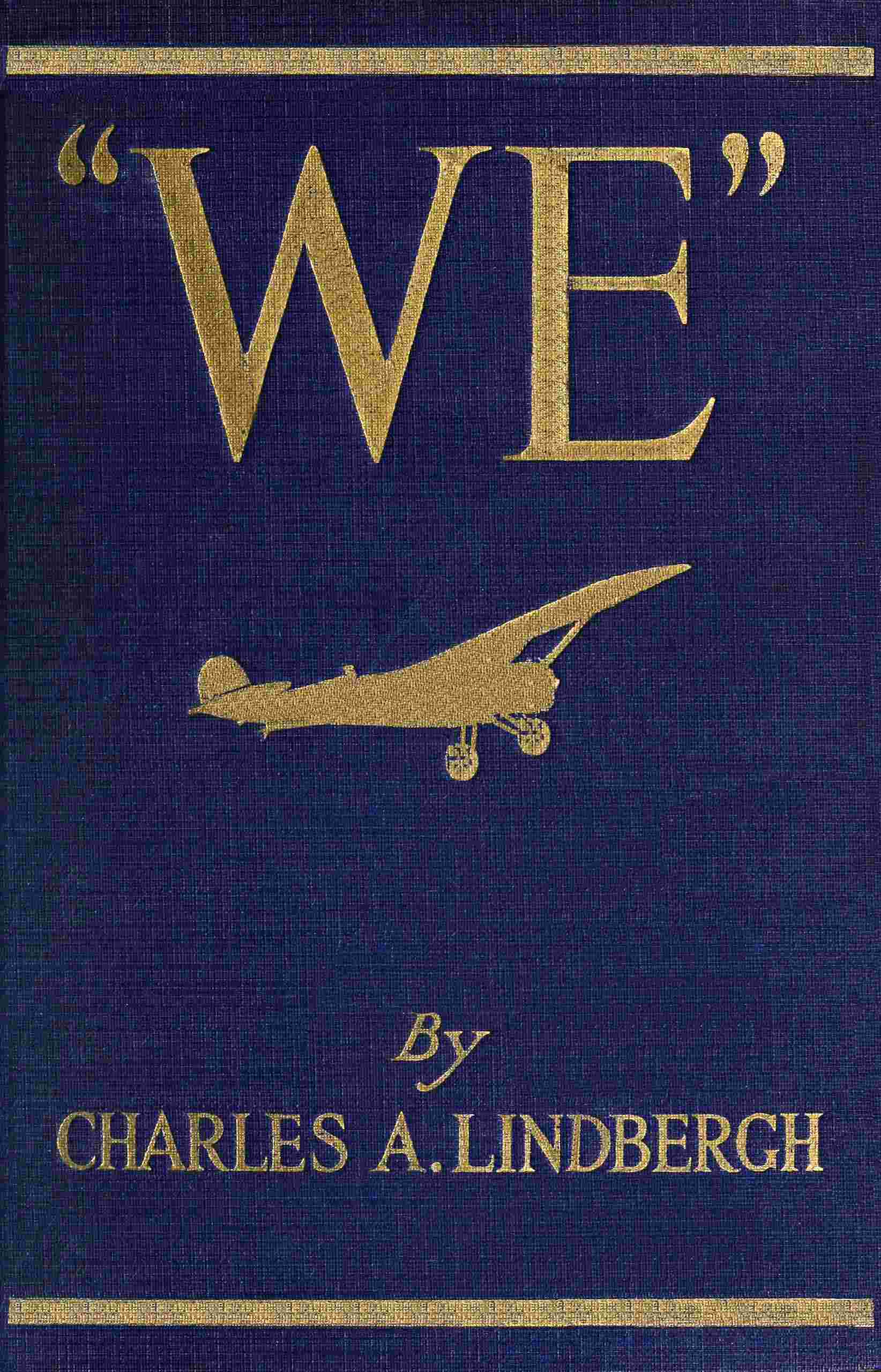
Before he became a controversial figure, Charles A. Lindbergh was simply "Lucky Lindy," the shy, Midwestern airmail pilot who captivated the world by flying solo across the Atlantic. In his autobiography, "We," Lindbergh recounts his early fascination with flight, his daredevil days as a barnstormer, and the meticulous planning that led to the construction of the iconic Spirit of St. Louis. The narrative culminates in the nail-biting, 33-hour journey from New York to Paris, a feat of human endurance and mechanical ingenuity that redefined what was possible. More than just a pilot's log, "We" offers a window into the psyche of a reluctant hero and the dawn of the aviation age. Lindbergh's understated prose, his insistent use of "we" to credit his collaborators, and the added chapters detailing the global adulation he received, paint a portrait of a man grappling with sudden, overwhelming fame. It's a testament to pioneering spirit, a historical document of an era when flight was still a miracle, and a compelling self-portrait of a man whose quiet ambition propelled him into the annals of history.
Editions
Link to this book
Add a free, dofollow link to Lex on your blog, forum, syllabus, or reading list.

<a href="https://lex-books.com/book/we-0aa79abf-3287-40bf-a4b0-588e10a19f77"><img src="https://lex-books.com/badges/read-on-lex.svg" alt="Read “We” by Charles A. Lindbergh free on Lex" width="160" height="40"></a>[](https://lex-books.com/book/we-0aa79abf-3287-40bf-a4b0-588e10a19f77)[url=https://lex-books.com/book/we-0aa79abf-3287-40bf-a4b0-588e10a19f77][img]https://lex-books.com/badges/read-on-lex.svg[/img][/url]Read “We” by Charles A. Lindbergh free on Lex: https://lex-books.com/book/we-0aa79abf-3287-40bf-a4b0-588e10a19f77Cite this book
Reading this edition for a paper or guide? Copy a citation.
Lindbergh, Charles A.. “We”. Lex, lex-books.com/book/we-0aa79abf-3287-40bf-a4b0-588e10a19f77.Lindbergh, C. A. (n.d.). “We”. Lex. https://lex-books.com/book/we-0aa79abf-3287-40bf-a4b0-588e10a19f77Lindbergh, Charles A.. “We”. Lex. https://lex-books.com/book/we-0aa79abf-3287-40bf-a4b0-588e10a19f77.