Verge
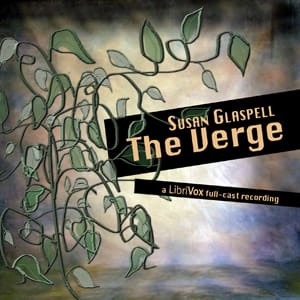
In 1921, a woman named Claire stands in her greenhouse surrounded by strange, beautiful, deadly flowers she's spent years cultivating. She is trapped in a house she never wanted, playing the role of wife and hostess to a man who loves her conventional self. The Claire who tends these impossible plants, who speaks in a language her husband cannot parse, is the real Claire, and she's screaming to get out. Verge is an expressionist fever dream about the cost of pretending. Glaspell abandons realistic drama entirely, letting speech fragment and reality warp as Claire teeters on the verge of something irreversible. The flowers become her obsession, her language, her escape hatch from a life that offered her nothing but duties she never chose. When Claire crosses a final threshold, madness, transcendence, death, the play leaves us with the wreckage and asks who is truly responsible. This is the play that American theatre wasn't ready for in 1921. Its radical form and unflinching portrait of a woman's mind unmoored felt like chaos to critics who wanted women to stay in their boxes. A century later, Verge reads like prophecy: the suffocating horror of being loved for a self you invented, the violent cost of suppressing who you really are.
Editions

Read by
Group Narration
2 readers
Elizabeth Klett, TriciaG, Algy Pug, Michele Eaton +6 more
Link to this book
Add a free, dofollow link to Lex on your blog, forum, syllabus, or reading list.

<a href="https://lex-books.com/book/verge-6db2dd43-1672-408f-92af-a7d2e57209fe"><img src="https://lex-books.com/badges/read-on-lex.svg" alt="Read Verge by Susan Glaspell free on Lex" width="160" height="40"></a>[](https://lex-books.com/book/verge-6db2dd43-1672-408f-92af-a7d2e57209fe)[url=https://lex-books.com/book/verge-6db2dd43-1672-408f-92af-a7d2e57209fe][img]https://lex-books.com/badges/read-on-lex.svg[/img][/url]Read Verge by Susan Glaspell free on Lex: https://lex-books.com/book/verge-6db2dd43-1672-408f-92af-a7d2e57209feCite this book
Reading this edition for a paper or guide? Copy a citation.
Glaspell, Susan. Verge. Lex, lex-books.com/book/verge-6db2dd43-1672-408f-92af-a7d2e57209fe.Glaspell, S. (n.d.). Verge. Lex. https://lex-books.com/book/verge-6db2dd43-1672-408f-92af-a7d2e57209feGlaspell, Susan. Verge. Lex. https://lex-books.com/book/verge-6db2dd43-1672-408f-92af-a7d2e57209fe.