Vanhuudesta
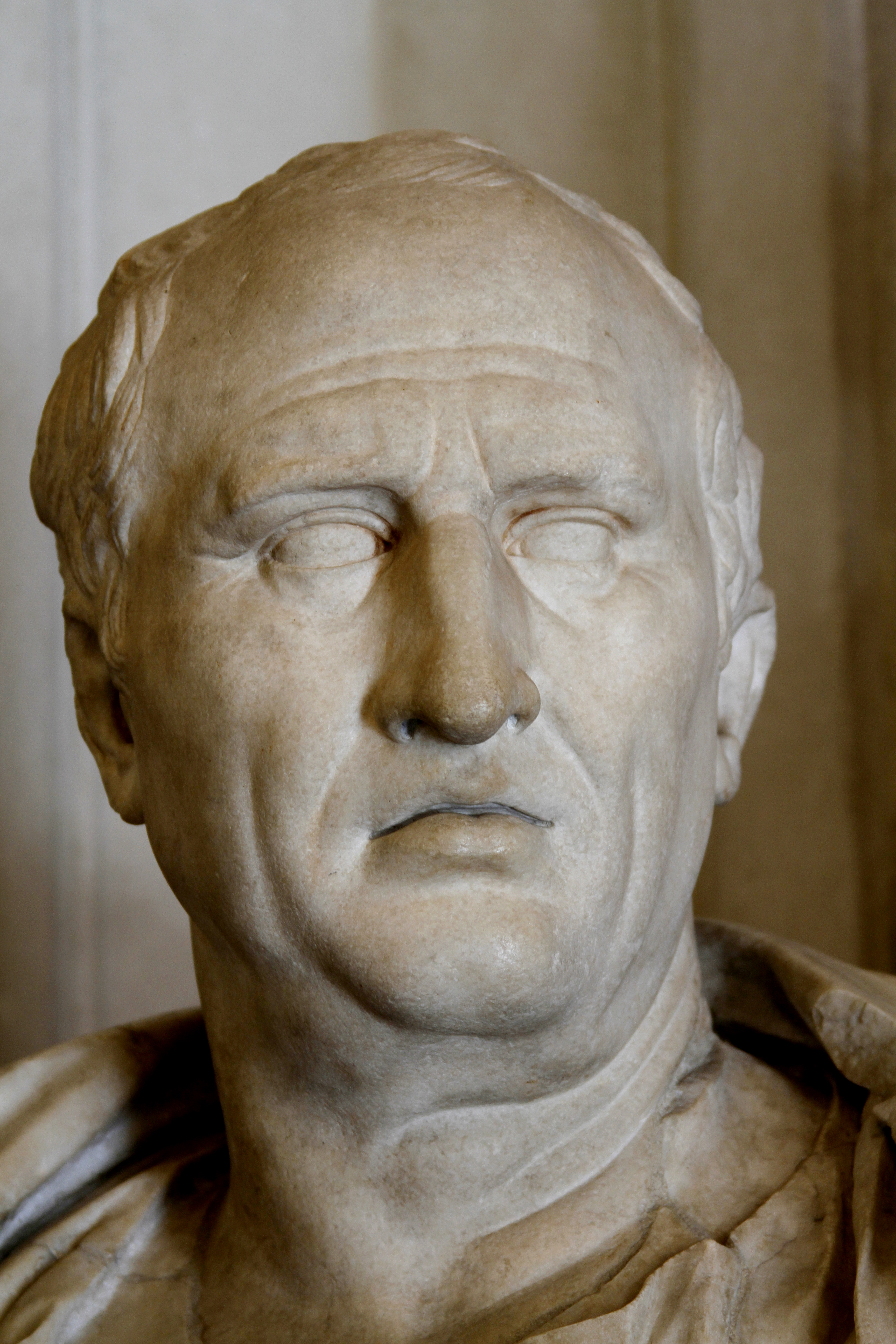
Two thousand years before the wellness industry discovered 'aging gracefully,' Cicero wrote a radical defense of old age that still feels revolutionary today. Structured as a dialogue between the aged statesman Cato the Elder and his friends Scipio and Laelius, the work tackles humanity's deepest anxiety with wit, reason, and unexpected passion. Cicero argues that we fear the wrong things: physical decline, he contends, is trivial compared to the intellectual and moral growth available to those who cultivate wisdom. The great irony is that most men dread reaching a station they have spent a lifetime striving to attain. This is not a nostalgic lament for youth but a rigorous philosophical argument that virtue, knowledge, and inner contentment matter far more than physical vigor. Fresh, practical, and surprisingly funny, it asks the question no one wants to ask: what makes life worth living when the body begins to fail?
Editions
X-Ray
“The brief arc of our days,O Sestius,prevents us from launching prolonged hopes.””
— Marcus Tullius Cicero
“IT is alledged, that Memory fails in Old Age. That it does so, I freely grant; but then it is principally, where it has not been properly exercised; or with those who naturally have no Strength of Brain: For such as have, will pretty well retain it.””
— Marcus Tullius Cicero
“The best Armour of Old Age is a well-spent life preceding it; a Life employed in the Pursuit of useful Knowledge, in honourable Actions and the Practice of Virtue; in which he who labours to improve himself from his Youth, will in Age reap the happinest Fruits of them; not only because these never leave a Man, not even in the extremest Old Age; but because a Conscience bearing Witness that our Life was well-spent, together with the Remembrance of past good Actions, yields an unspeakable Comfort to the Soul””
— Marcus Tullius Cicero
Link to this book
Add a free, dofollow link to Lex on your blog, forum, syllabus, or reading list.

<a href="https://lex-books.com/book/vanhuudesta-3ee614aa-5922-4a9a-8879-18056ca7973a"><img src="https://lex-books.com/badges/read-on-lex.svg" alt="Read Vanhuudesta by Marcus Tullius Cicero free on Lex" width="160" height="40"></a>[](https://lex-books.com/book/vanhuudesta-3ee614aa-5922-4a9a-8879-18056ca7973a)[url=https://lex-books.com/book/vanhuudesta-3ee614aa-5922-4a9a-8879-18056ca7973a][img]https://lex-books.com/badges/read-on-lex.svg[/img][/url]Read Vanhuudesta by Marcus Tullius Cicero free on Lex: https://lex-books.com/book/vanhuudesta-3ee614aa-5922-4a9a-8879-18056ca7973aCite this book
Reading this edition for a paper or guide? Copy a citation.
Cicero, Marcus Tullius. Vanhuudesta. Lex, lex-books.com/book/vanhuudesta-3ee614aa-5922-4a9a-8879-18056ca7973a.Cicero, M. T. (n.d.). Vanhuudesta. Lex. https://lex-books.com/book/vanhuudesta-3ee614aa-5922-4a9a-8879-18056ca7973aCicero, Marcus Tullius. Vanhuudesta. Lex. https://lex-books.com/book/vanhuudesta-3ee614aa-5922-4a9a-8879-18056ca7973a.