The Long Road of Woman's Memory
1916
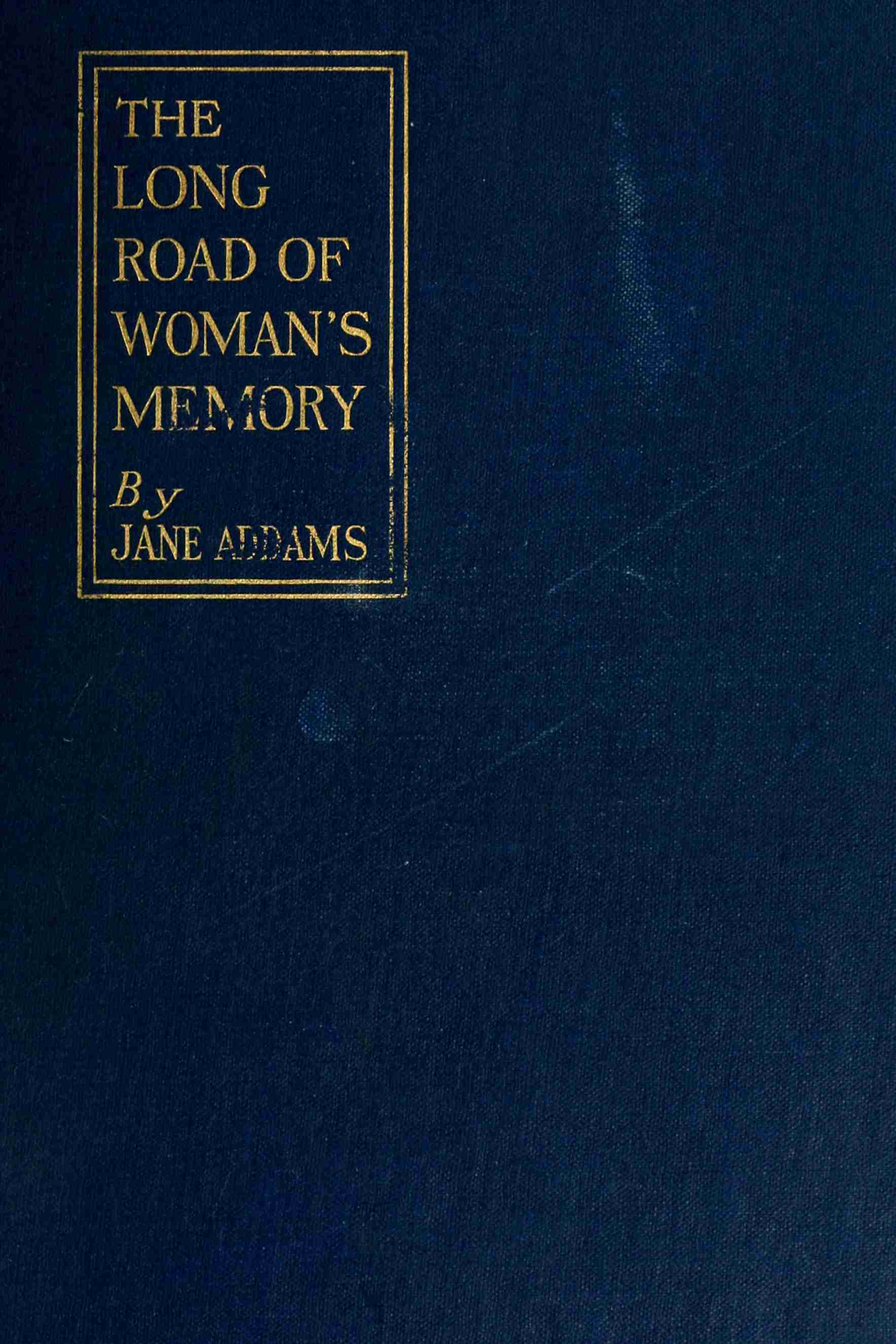
The Long Road of Woman's Memory
1916
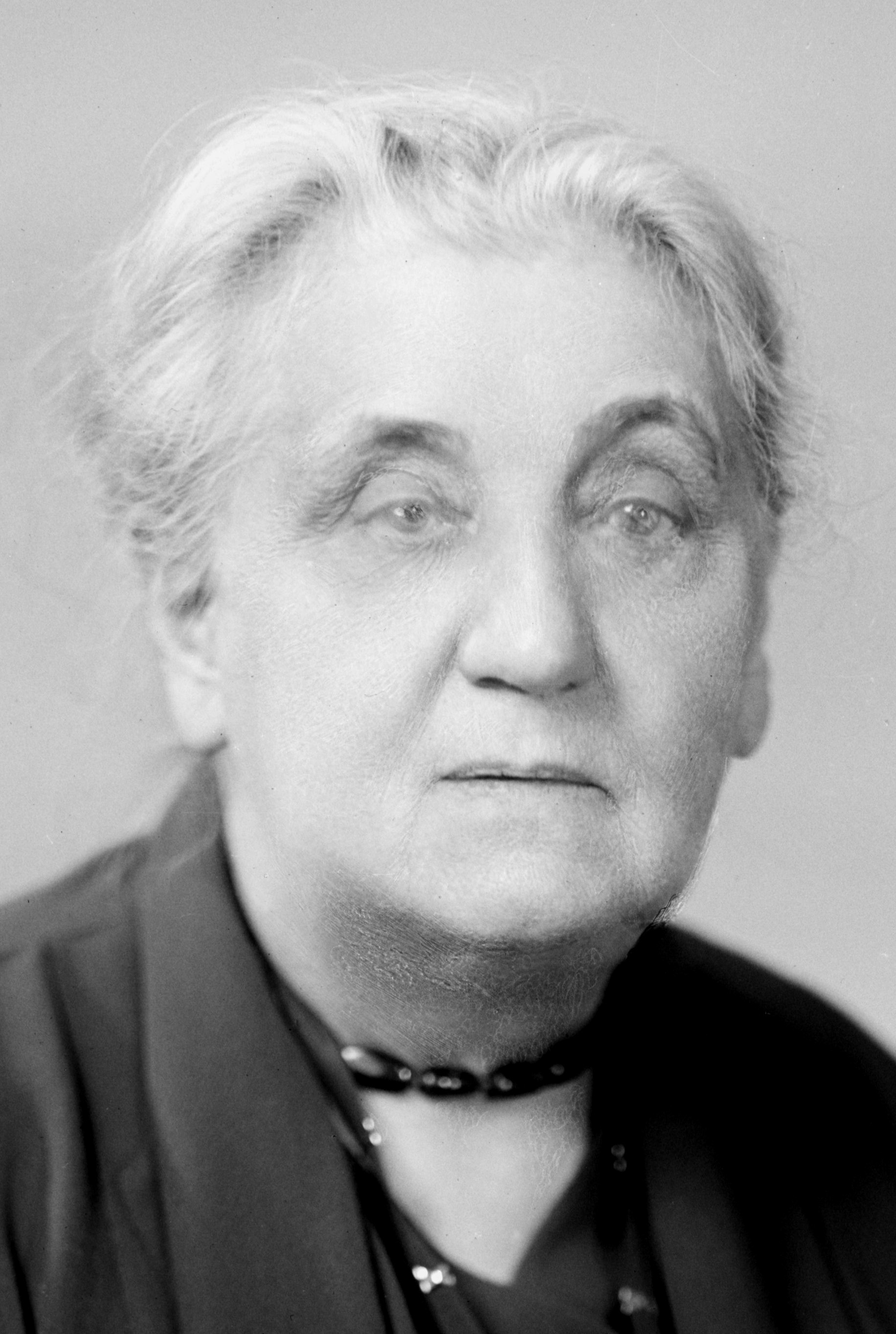
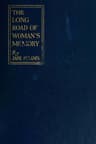
In 1910, a rumor swept through Chicago's immigrant neighborhoods: a devil baby had been born at Hull-House, the settlement house founded by Jane Addams. Thousands of women, many elderly and many barely speaking English, made pilgrimages to see the infant. They came seeking answers to their own suffering, and instead found something more profound: a reason to speak. In this quietly revolutionary book, Addams transcribes the stories these women told while waiting, their memories of factory floors and lost children and husbands who died in industrial accidents. What emerges is not merely a sociological record but an argument about the transformative power of recollection. Addams insists that when a woman revisits her past, she is not merely remembering she is reconstructing meaning from chaos, finding in her own survival a kind of universal truth that literature has always claimed to offer but rarely sought from her. The book predates modern memory studies by decades, but its insight remains vital: that the stories of overlooked women contain wisdom the culture desperately needs, and that listening to them is itself a radical act of justice.
Editions
Link to this book
Add a free, dofollow link to Lex on your blog, forum, syllabus, or reading list.

<a href="https://lex-books.com/book/the-long-road-of-woman-s-memory-29f0f672-1bb8-4acb-ba86-aed4c8f7e75c"><img src="https://lex-books.com/badges/read-on-lex.svg" alt="Read The Long Road of Woman's Memory by Jane Addams free on Lex" width="160" height="40"></a>[](https://lex-books.com/book/the-long-road-of-woman-s-memory-29f0f672-1bb8-4acb-ba86-aed4c8f7e75c)[url=https://lex-books.com/book/the-long-road-of-woman-s-memory-29f0f672-1bb8-4acb-ba86-aed4c8f7e75c][img]https://lex-books.com/badges/read-on-lex.svg[/img][/url]Read The Long Road of Woman's Memory by Jane Addams free on Lex: https://lex-books.com/book/the-long-road-of-woman-s-memory-29f0f672-1bb8-4acb-ba86-aed4c8f7e75cCite this book
Reading this edition for a paper or guide? Copy a citation.
Addams, Jane. The Long Road of Woman's Memory. Lex, lex-books.com/book/the-long-road-of-woman-s-memory-29f0f672-1bb8-4acb-ba86-aed4c8f7e75c.Addams, J. (1916). The Long Road of Woman's Memory. Lex. https://lex-books.com/book/the-long-road-of-woman-s-memory-29f0f672-1bb8-4acb-ba86-aed4c8f7e75cAddams, Jane. The Long Road of Woman's Memory. Lex. https://lex-books.com/book/the-long-road-of-woman-s-memory-29f0f672-1bb8-4acb-ba86-aed4c8f7e75c.