Ultima Thule; or, A Summer in Iceland. vol. 2/2

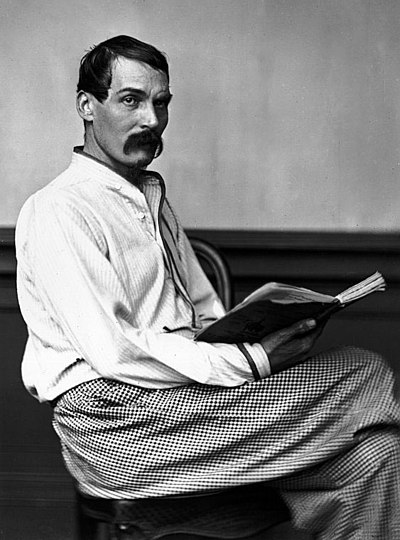
In the summer of 1872, Sir Richard Francis Burton traveled to Iceland, a land of fire and ice that the ancients called Ultima Thule, the edge of the known world. What he found there delighted his famously insatiable curiosity: a society governed by ancient Norse traditions, geothermal wonders that seemed like portals to another realm, and a people whose sagas and folklore carried the weight of centuries. Burton records it all with the meticulous eye of an ethnographer and the prose style of a born storyteller, rendering the Icelandic landscape as both scientific specimen and spiritual phenomenon. This volume continues his journey through the island's interior, deepening his portraits of local customs, education, and the peculiar isolation that shapes Icelandic character. Burton's Victorian sensibility can be jarring to modern readers, he writes with the confidence of empire, yet his genuine fascination with Icelandic culture and his refusal to dismiss what he encounters as primitive give the work a vitality that transcends its era. For readers drawn to the romance of exploration, to travel as transformation, Ultima Thule remains a transporting time capsule: a glimpse of Iceland before tourism, before modernization, when the island still felt like the end of the earth.
Editions
Link to this book
Add a free, dofollow link to Lex on your blog, forum, syllabus, or reading list.

<a href="https://lex-books.com/book/ultima-thule-or-a-summer-in-iceland-vol-2-2-3a9a2573-1e9c-4a4b-bfba-19fef07da541"><img src="https://lex-books.com/badges/read-on-lex.svg" alt="Read Ultima Thule; or, A Summer in Iceland. vol. 2/2 by Sir Richard Francis Burton free on Lex" width="160" height="40"></a>[](https://lex-books.com/book/ultima-thule-or-a-summer-in-iceland-vol-2-2-3a9a2573-1e9c-4a4b-bfba-19fef07da541)[url=https://lex-books.com/book/ultima-thule-or-a-summer-in-iceland-vol-2-2-3a9a2573-1e9c-4a4b-bfba-19fef07da541][img]https://lex-books.com/badges/read-on-lex.svg[/img][/url]Read Ultima Thule; or, A Summer in Iceland. vol. 2/2 by Sir Richard Francis Burton free on Lex: https://lex-books.com/book/ultima-thule-or-a-summer-in-iceland-vol-2-2-3a9a2573-1e9c-4a4b-bfba-19fef07da541Cite this book
Reading this edition for a paper or guide? Copy a citation.
Burton, Sir Richard Francis. Ultima Thule; or, A Summer in Iceland. vol. 2/2. Lex, lex-books.com/book/ultima-thule-or-a-summer-in-iceland-vol-2-2-3a9a2573-1e9c-4a4b-bfba-19fef07da541.Burton, S. R. F. (n.d.). Ultima Thule; or, A Summer in Iceland. vol. 2/2. Lex. https://lex-books.com/book/ultima-thule-or-a-summer-in-iceland-vol-2-2-3a9a2573-1e9c-4a4b-bfba-19fef07da541Burton, Sir Richard Francis. Ultima Thule; or, A Summer in Iceland. vol. 2/2. Lex. https://lex-books.com/book/ultima-thule-or-a-summer-in-iceland-vol-2-2-3a9a2573-1e9c-4a4b-bfba-19fef07da541.