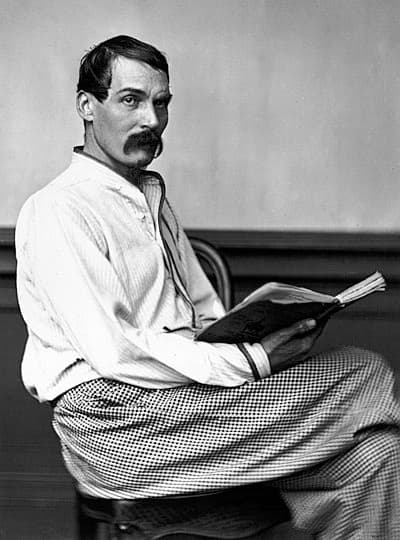
Sir Richard Francis Burton
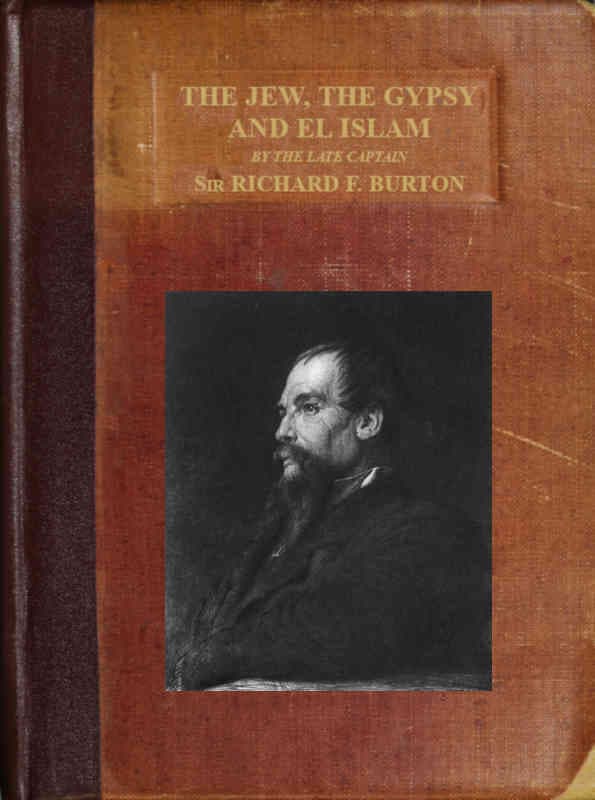
Sir Richard Francis Burton was a British explorer, army officer, writer, and scholar renowned for his adventurous spirit and profound knowledge of diverse cultures. Born into a family of modest means, he displayed an early aptitude for languages, ultimately mastering up to 29, which facilitated his extensive travels across Asia, Africa, and South America. His explorations included notable expeditions such as the search for the source of the Nile and his journey to Mecca, where he disguised himself as a Muslim to gain access to the sacred city, an act that showcased both his audacity and commitment to understanding different cultures. Burton's literary contributions were as significant as his explorations. He authored numerous works, including "The Book of the Thousand Nights and a Night," a controversial translation of the Arabian Nights, and "The Lake Regions of Central Africa," which documented his travels and observations. His writings often challenged Victorian norms and provided insights into the societies he encountered, making him a pivotal figure in the field of anthropology and travel literature. Burton's legacy endures through his adventurous spirit and his role in expanding Western knowledge of Eastern cultures, as well as his influence on subsequent generations of explorers and writers.
Famous Quotes
View all 7 quotes“Little islands are all large prisons; one cannot look at the sea without wishing for the wings of a swallow.””
“Do what thy manhood bids thee do,from none but self expect applause.He noblest lives and noblest dieswho makes and keeps his self-made laws.””
“And still the Weaver plies his loom, whose warp and woof is wretched ManWeaving th' unpattern'd dark design, so dark we doubt it owns a plan””
Books from the author

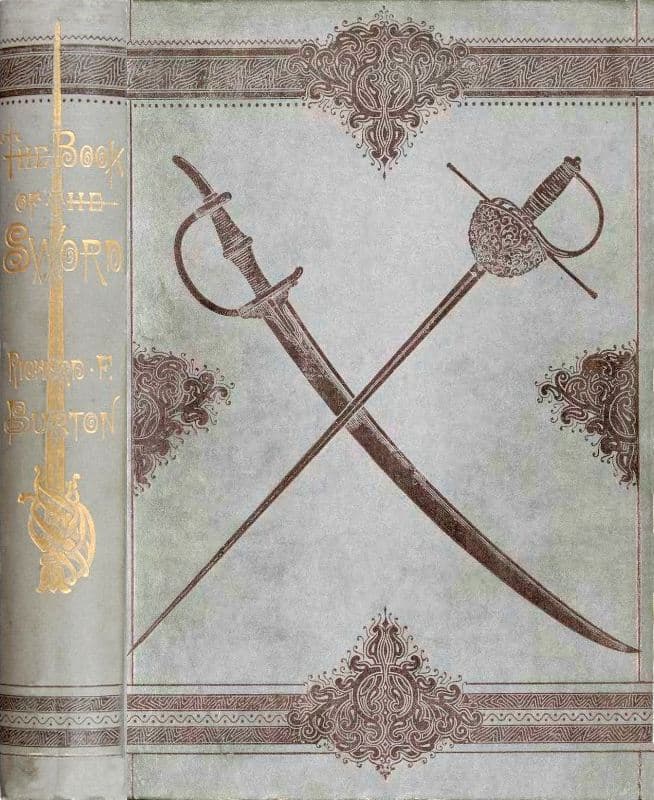
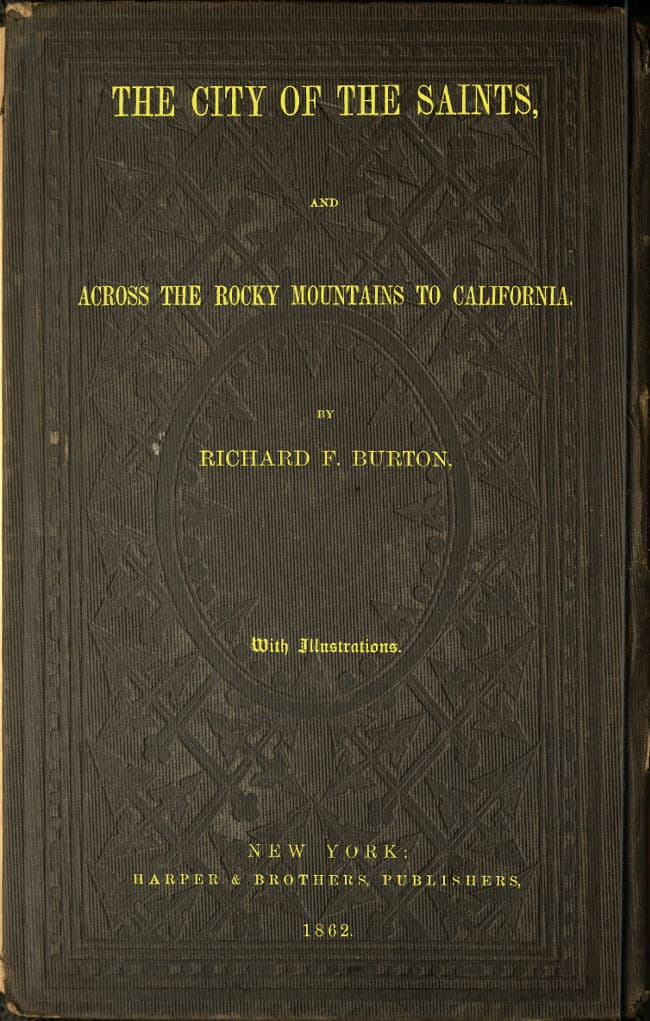

Link to this page
Add a free, dofollow link to Lex on your blog, forum, syllabus, or reading list.

<a href="https://lex-books.com/author/sir-richard-francis-burton"><img src="https://lex-books.com/badges/read-on-lex.svg" alt="Sir Richard Francis Burton on Lex" width="160" height="40"></a>[](https://lex-books.com/author/sir-richard-francis-burton)[url=https://lex-books.com/author/sir-richard-francis-burton][img]https://lex-books.com/badges/read-on-lex.svg[/img][/url]Sir Richard Francis Burton on Lex: https://lex-books.com/author/sir-richard-francis-burton