The Jew, the Gypsy and El Islam
1898
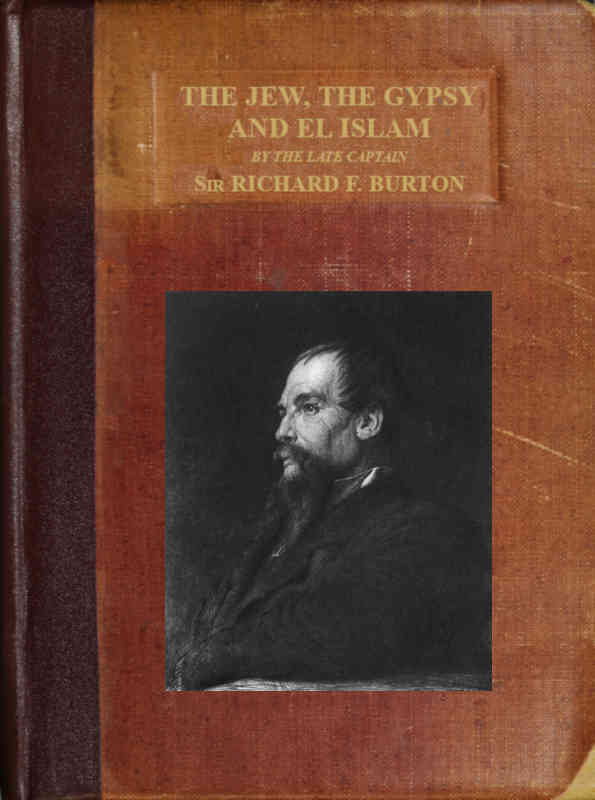
The Jew, the Gypsy and El Islam
1898
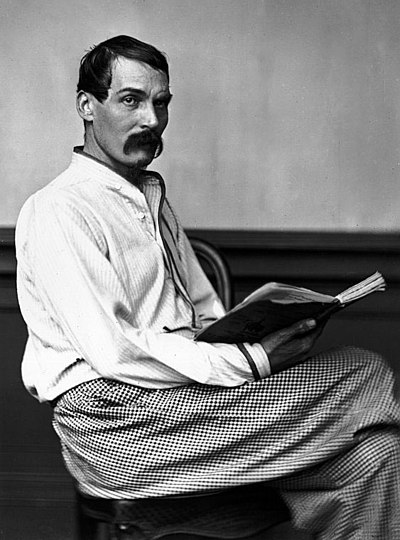
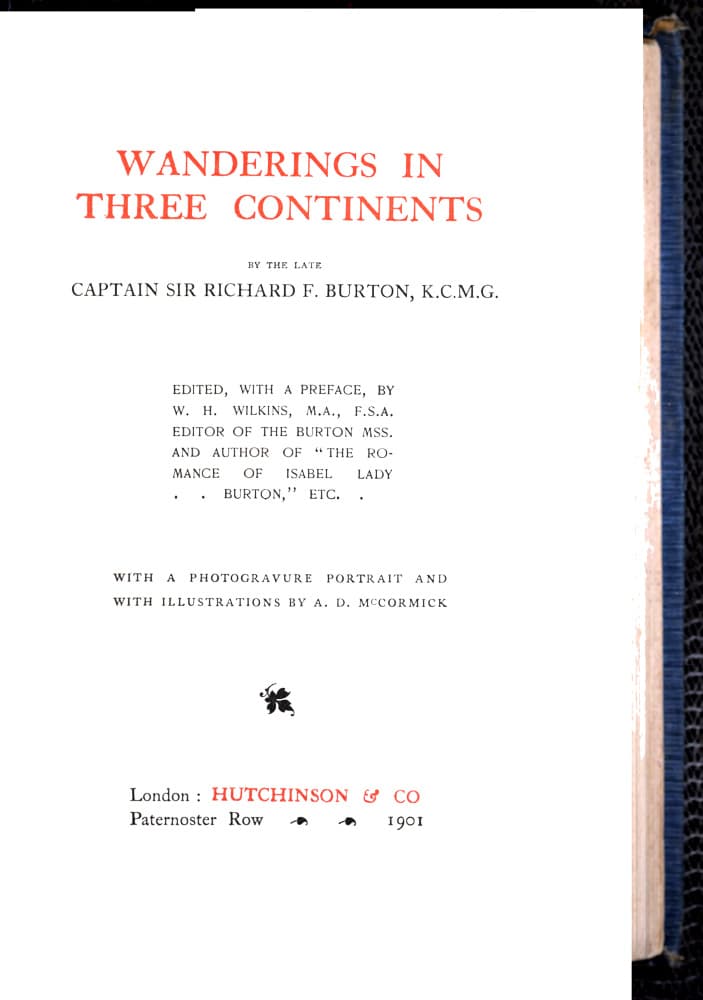
Sir Richard Francis Burton's 1898 ethnographic study offers a window into late Victorian racial theories and the colonial mindset. Written by the famed explorer, linguist, and controversialist known for his translations of One Thousand and One Nights and his expeditions to Mecca in disguise, this volume assembles three essays examining Jewish, Romani, and Islamic communities. Burton brings his characteristic intellectual restlessness and extensive fieldwork experience to questions of identity, assimilation, and cultural difference, drawing on observations from his travels across three continents. The book is now read primarily as a historical document, revealing the assumptions and prejudices that shaped late 19th-century European scholarship on marginalized peoples. Its value lies not in offering accurate cultural insight, but in exposing the racial hierarchies and stereotypes that Burton and his contemporaries took for granted. For scholars of colonial history, the history of antisemitism, or Victorian anthropology, it remains a troubling but instructive artifact of its era.
Editions
Link to this book
Add a free, dofollow link to Lex on your blog, forum, syllabus, or reading list.

<a href="https://lex-books.com/book/the-jew-the-gypsy-and-el-islam-5e31d236-b1c6-48ca-b991-ac93308d5c50"><img src="https://lex-books.com/badges/read-on-lex.svg" alt="Read The Jew, the Gypsy and El Islam by Sir Richard Francis Burton free on Lex" width="160" height="40"></a>[](https://lex-books.com/book/the-jew-the-gypsy-and-el-islam-5e31d236-b1c6-48ca-b991-ac93308d5c50)[url=https://lex-books.com/book/the-jew-the-gypsy-and-el-islam-5e31d236-b1c6-48ca-b991-ac93308d5c50][img]https://lex-books.com/badges/read-on-lex.svg[/img][/url]Read The Jew, the Gypsy and El Islam by Sir Richard Francis Burton free on Lex: https://lex-books.com/book/the-jew-the-gypsy-and-el-islam-5e31d236-b1c6-48ca-b991-ac93308d5c50Cite this book
Reading this edition for a paper or guide? Copy a citation.
Burton, Sir Richard Francis. The Jew, the Gypsy and El Islam. Lex, lex-books.com/book/the-jew-the-gypsy-and-el-islam-5e31d236-b1c6-48ca-b991-ac93308d5c50.Burton, S. R. F. (1898). The Jew, the Gypsy and El Islam. Lex. https://lex-books.com/book/the-jew-the-gypsy-and-el-islam-5e31d236-b1c6-48ca-b991-ac93308d5c50Burton, Sir Richard Francis. The Jew, the Gypsy and El Islam. Lex. https://lex-books.com/book/the-jew-the-gypsy-and-el-islam-5e31d236-b1c6-48ca-b991-ac93308d5c50.