Two Treatises of Government
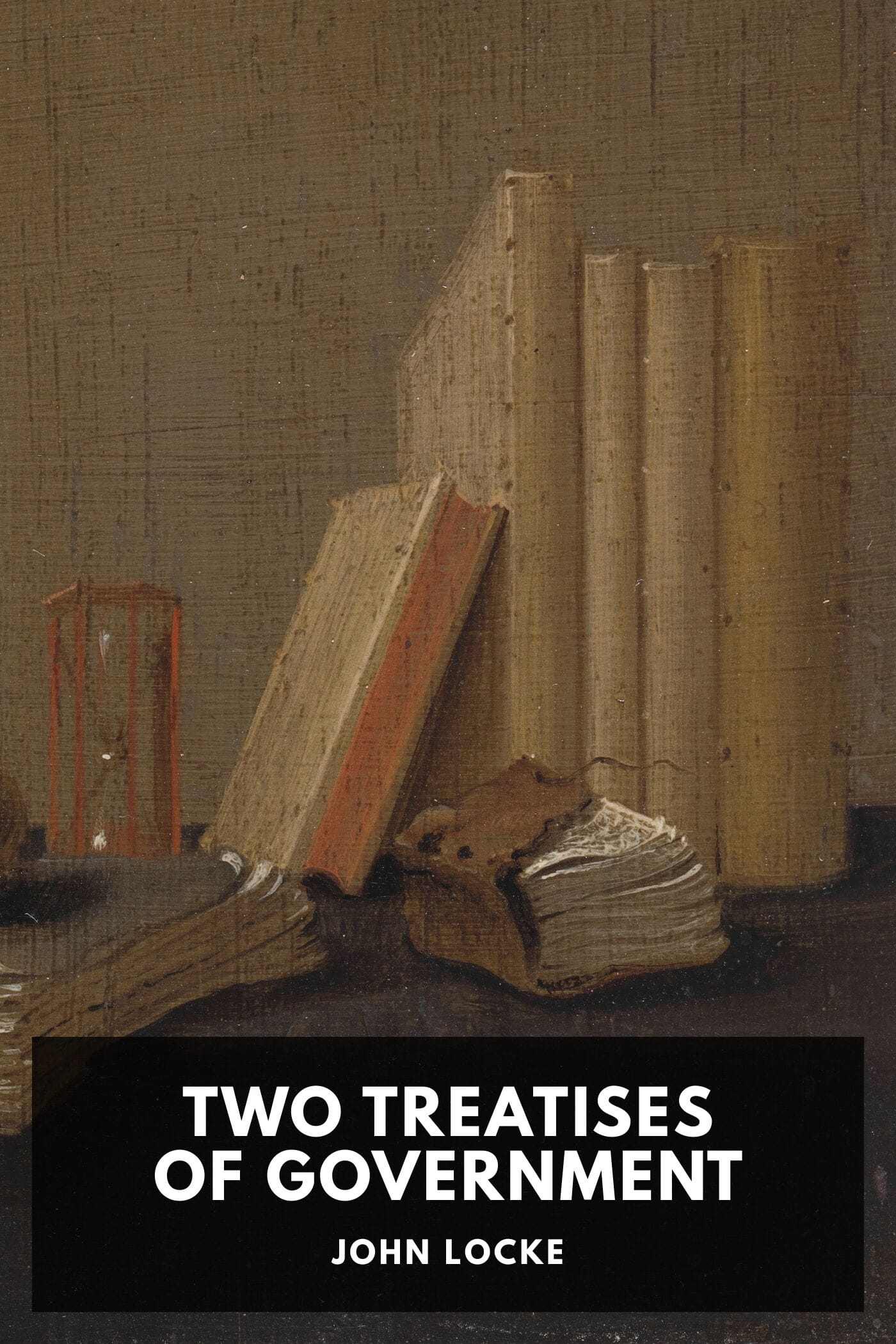
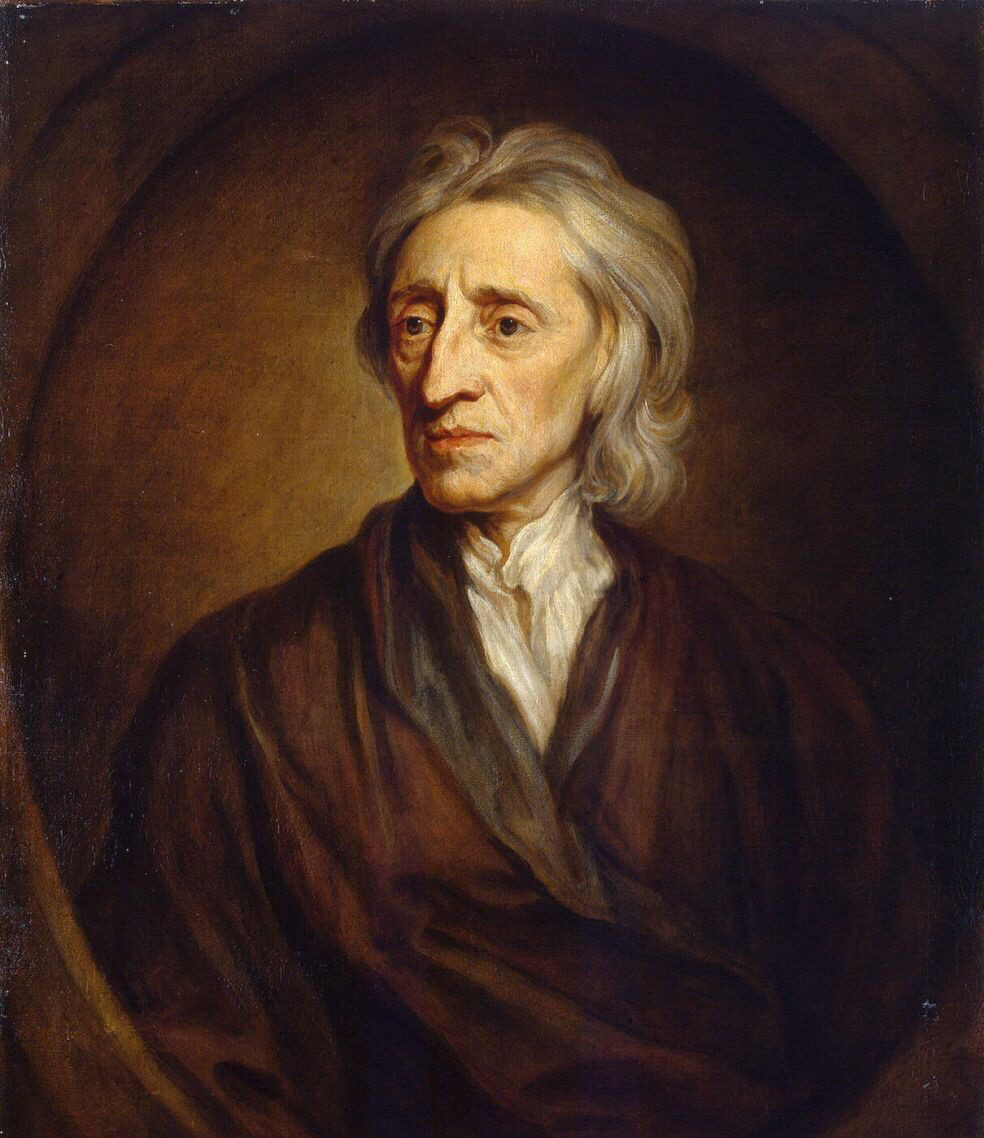
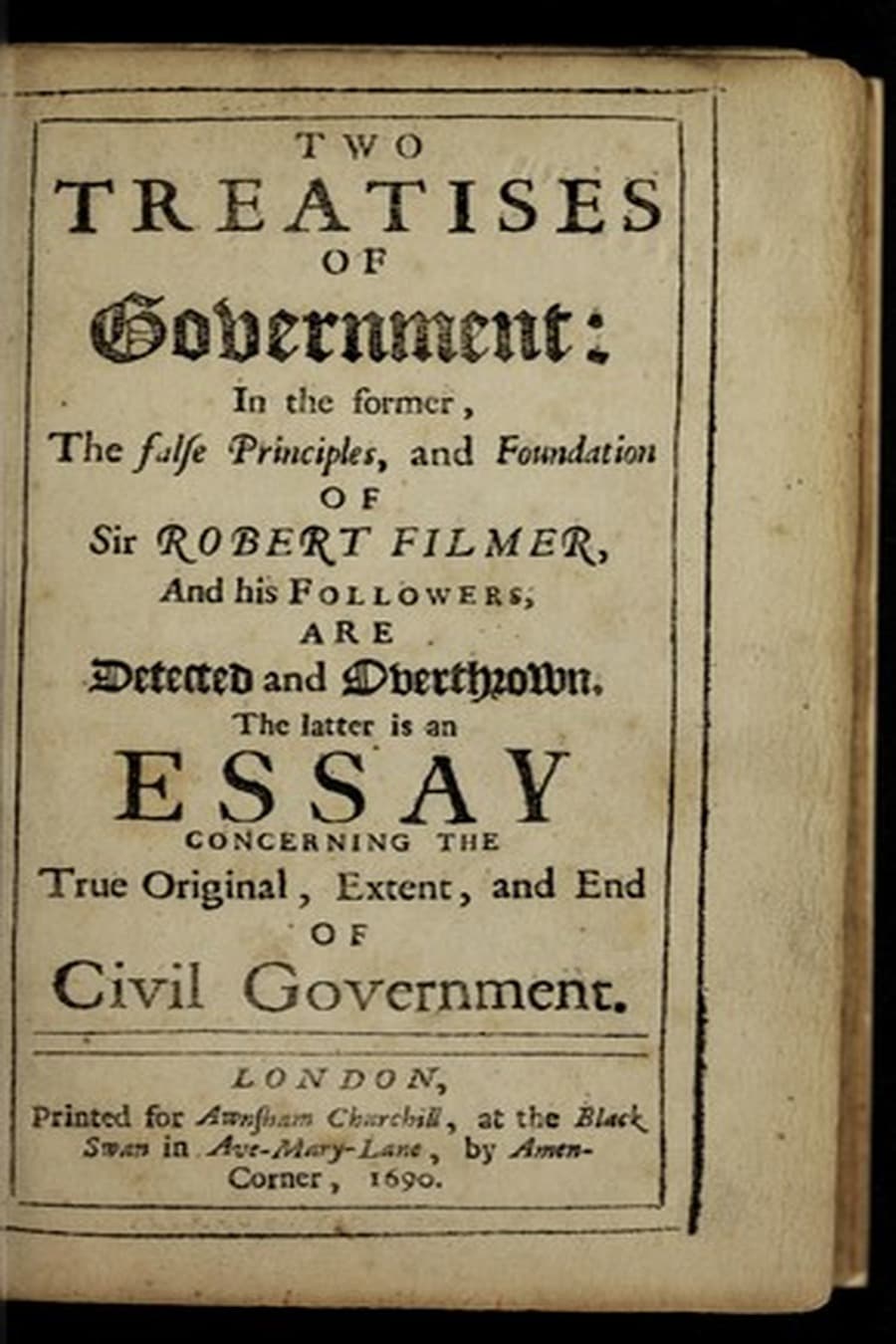
John Locke's *Two Treatises of Government* meticulously dismantles the prevailing 17th-century notion of divine right and absolute monarchy, particularly as espoused by Sir Robert Filmer. The first treatise systematically refutes Filmer's *Patriarcha*, demonstrating the absence of scriptural basis for inherited political power and carefully delineating the distinct spheres of political and paternal authority. The second treatise then constructs Locke's own revolutionary vision of legitimate governance, rooted in natural law and the inherent rights of the individual. He posits that all people are born free and equal, endowed with inalienable rights to life, liberty, and property, and argues that true political authority stems solely from the consent of the governed, forming a social contract to protect these fundamental rights. This isn't merely a historical artifact; it's the intellectual blueprint for modern liberal democracy. Locke's audacious assertion that citizens possess not only the right but the *duty* to revolt against a tyrannical government—one that fails to protect their rights or violates the social contract—was nothing short of revolutionary. His ideas profoundly shaped the American and French Revolutions, inspired foundational documents like the Declaration of Independence, and continue to underpin contemporary debates on human rights, individual freedom, and the very nature of legitimate political power. To read Locke is to understand the bedrock of our political present.
Editions

Link to this book
Add a free, dofollow link to Lex on your blog, forum, syllabus, or reading list.

<a href="https://lex-books.com/book/two-treatises-of-government-171ead38-03a8-4a2b-b364-ee8adaea1fd4"><img src="https://lex-books.com/badges/read-on-lex.svg" alt="Read Two Treatises of Government by John Locke free on Lex" width="160" height="40"></a>[](https://lex-books.com/book/two-treatises-of-government-171ead38-03a8-4a2b-b364-ee8adaea1fd4)[url=https://lex-books.com/book/two-treatises-of-government-171ead38-03a8-4a2b-b364-ee8adaea1fd4][img]https://lex-books.com/badges/read-on-lex.svg[/img][/url]Read Two Treatises of Government by John Locke free on Lex: https://lex-books.com/book/two-treatises-of-government-171ead38-03a8-4a2b-b364-ee8adaea1fd4Cite this book
Reading this edition for a paper or guide? Copy a citation.
Locke, John. Two Treatises of Government. Lex, lex-books.com/book/two-treatises-of-government-171ead38-03a8-4a2b-b364-ee8adaea1fd4.Locke, J. (n.d.). Two Treatises of Government. Lex. https://lex-books.com/book/two-treatises-of-government-171ead38-03a8-4a2b-b364-ee8adaea1fd4Locke, John. Two Treatises of Government. Lex. https://lex-books.com/book/two-treatises-of-government-171ead38-03a8-4a2b-b364-ee8adaea1fd4.