Two Little Savages: Being the Adventures of Two Boys Who Lived as Indians and What They Learned
1903
Two Little Savages: Being the Adventures of Two Boys Who Lived as Indians and What They Learned
1903
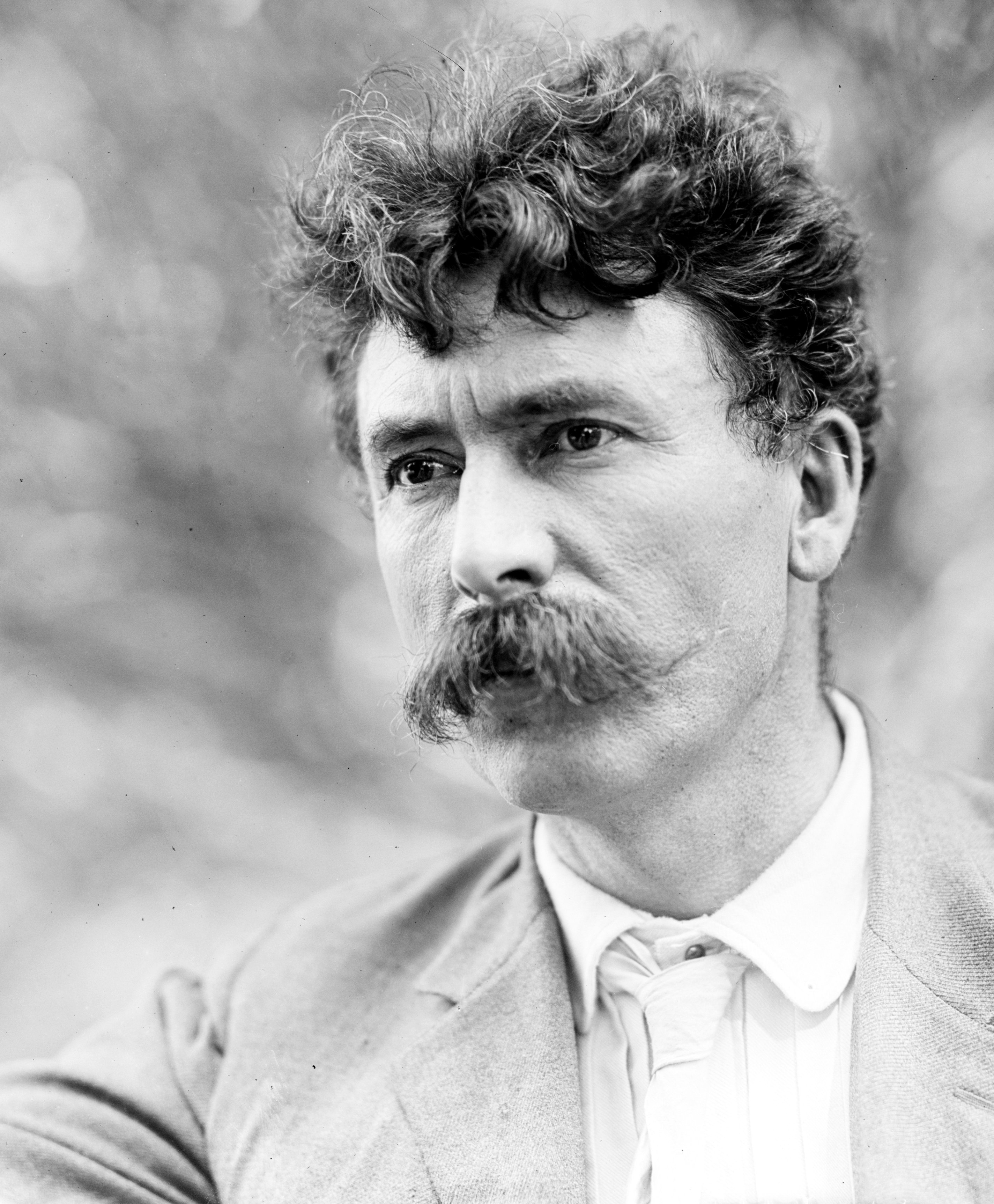
Two twelve-year-old boys abandon theircivilized clothes for paint and feathers, determined to live as Indians in the woods outside their small town. Yan, a rebellious nature lover with a strict father, and his companion embark on a summer of astonishing self-education: they learn to track deer by their footprints, identify birds by their calls, build shelters that shed rain, and read the forest like a language. Ernest Thompson Seton, who would cofounder the Boy Scouts with Robert Baden-Powell, filled this 1903 classic with practical instructions that generations of young readers have used as a blueprint for their own wilderness adventures. The boys steal away at dawn, study the habits of foxes and hawks, and discover that the world outside their window is far more alive than any classroom. This is a book that taught millions of children to look down at the ground and see stories in mud, to look up at trees and see architecture. It endures not because its vision of Native American life is historically accurate, but because it captured something true about childhood's hunger for freedom and the natural world's capacity to answer that hunger.
Editions
X-Ray
“„Pane Clarku, zabloudil jste někdy?“ pokračoval neúnavný tazatel. „Jasně že zabloudil, a ne jednou. Každej, kdo se vydá do lesa, občas zabloudí.“ „Co – indiáni taky?“ „Samozřejmě! Proč ne? Jsou to taky lidi, a povim vám, že když někoho uslyšíte, jak se chlubí, že se nikdá neztratil, tak poznáte, že se nikdy nepustil matčiný zástěry. Každej zabloudí, ale skutečnej zálesák se z toho dostane. V tom je ten rozdíl.””
— Ernest Thompson Seton
“Jednou je v lese zastihl pořádný liják a oni se ještě rádi schovali ve svém pochmurném příbytku, jenomže dovnitř pršelo nejen kouřovým otvorem, ale také stěnami, a tak jim vigvam příliš velkou ochranu neposkytoval. „Se mně zdá, že je tu spíš víc mokro než venku,“ podotkl Sam a mokří jako myši vyrazili domů.””
— Ernest Thompson Seton
“Každý muž i chlapec v Sangeru uměl výborně zacházet se sekerou a byl velice šikovný. Známé rčení „Je to dobrej chlap“ mělo dva uznávané významy. Pokud byl takto označen osadník při pravidelné sobotní irské rvačce v městečku zvaném Downeyho Díra, znamenalo to, že se umí dobře ohánět pěstmi. Ale pokud jím byl obdařen muž doma na farmě, vztahovalo se k jeho výjimečné zručnosti při zacházení se sekerou. Mužem, který byl horší než ostatní, všichni pohrdali. A jelikož domy z přitesaných klád stavěli sami jejich majitelé, bylo jasně vidět, co kdo umí.””
— Ernest Thompson Seton
“Vůně se do paměti vtisknou mnohem silněji než ostatní vjemy. Indiáni to vědí. Mnozí z nich časem najdou vůni, která jim znovu přivolá nejšťastnější chvíle, a nosí ji ve svém vaku s medicínou. Ta hrstka borového jehličí, hrudka pižma či kousek ztvrdlé smrkové pryskyřice jsou jim velice drahé. Přidává to k jejich snění šťastné vzpomínky.””
— Ernest Thompson Seton
Link to this book
Add a free, dofollow link to Lex on your blog, forum, syllabus, or reading list.

<a href="https://lex-books.com/book/two-little-savages-being-the-adventures-of-two-boys-who-lived-as-indians-and-wha-f06f1e0b-1289-46b0-9a20-d0efa4638496"><img src="https://lex-books.com/badges/read-on-lex.svg" alt="Read Two Little Savages: Being the Adventures of Two Boys Who Lived as Indians and What They Learned by Ernest Thompson Seton free on Lex" width="160" height="40"></a>[](https://lex-books.com/book/two-little-savages-being-the-adventures-of-two-boys-who-lived-as-indians-and-wha-f06f1e0b-1289-46b0-9a20-d0efa4638496)[url=https://lex-books.com/book/two-little-savages-being-the-adventures-of-two-boys-who-lived-as-indians-and-wha-f06f1e0b-1289-46b0-9a20-d0efa4638496][img]https://lex-books.com/badges/read-on-lex.svg[/img][/url]Read Two Little Savages: Being the Adventures of Two Boys Who Lived as Indians and What They Learned by Ernest Thompson Seton free on Lex: https://lex-books.com/book/two-little-savages-being-the-adventures-of-two-boys-who-lived-as-indians-and-wha-f06f1e0b-1289-46b0-9a20-d0efa4638496Cite this book
Reading this edition for a paper or guide? Copy a citation.
Seton, Ernest Thompson. Two Little Savages: Being the Adventures of Two Boys Who Lived as Indians and What They Learned. Lex, lex-books.com/book/two-little-savages-being-the-adventures-of-two-boys-who-lived-as-indians-and-wha-f06f1e0b-1289-46b0-9a20-d0efa4638496.Seton, E. T. (1903). Two Little Savages: Being the Adventures of Two Boys Who Lived as Indians and What They Learned. Lex. https://lex-books.com/book/two-little-savages-being-the-adventures-of-two-boys-who-lived-as-indians-and-wha-f06f1e0b-1289-46b0-9a20-d0efa4638496Seton, Ernest Thompson. Two Little Savages: Being the Adventures of Two Boys Who Lived as Indians and What They Learned. Lex. https://lex-books.com/book/two-little-savages-being-the-adventures-of-two-boys-who-lived-as-indians-and-wha-f06f1e0b-1289-46b0-9a20-d0efa4638496.