Theory of Moral Sentiments (First Edition)
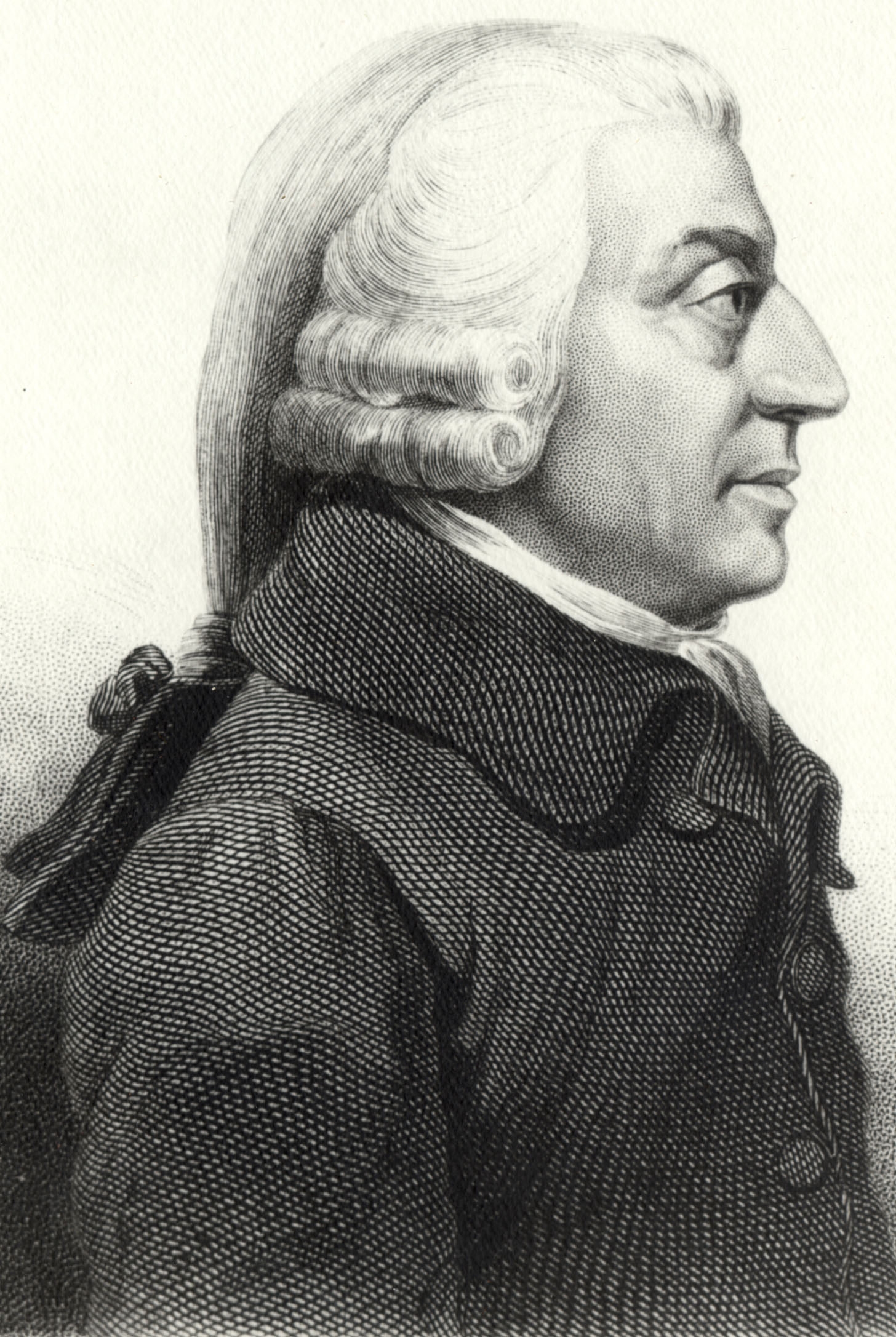
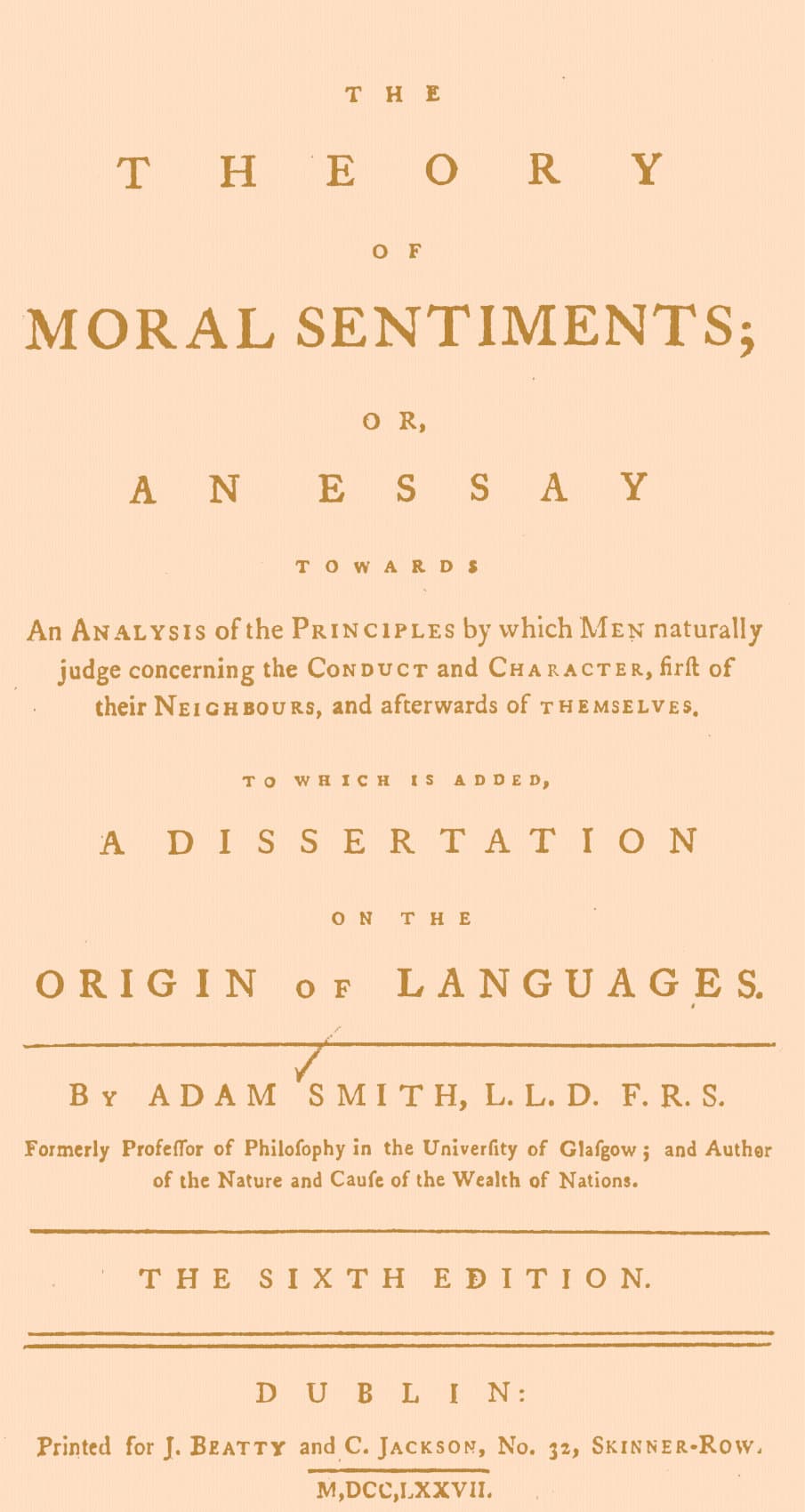
Long before he wrote the book that would define capitalism, Adam Smith asked a more unsettling question: why do we care about each other at all? The Theory of Moral Sentiments, published in 1759 when Smith was just thirty-six, proposes that human morality grows not from divine command or cold calculation but from a deeper source: our capacity for sympathy, the ability to imaginatively inhabit another person's feelings. Smith introduces his famous concept of the 'impartial spectator' - the internal voice that judges our actions as if from outside ourselves, enabling fairness and moral growth. This remarkable insight predates modern psychology by two centuries and provides the philosophical foundation for understanding how societies cohere without explicit coercion. Though less famous than its successor, Smith himself considered this his most important work. It remains essential reading for anyone curious about the moral architecture beneath market transactions, social bonds, and the daily negotiations of human life.
Editions

Read by
Group Narration
15 readers
Nikki Sullivan, Ariadna Solovyova, Alana Jordan, Meg Tryton +11 more
Link to this book
Add a free, dofollow link to Lex on your blog, forum, syllabus, or reading list.

<a href="https://lex-books.com/book/theory-of-moral-sentiments-first-edition-5c324a3a-b751-409d-b0b9-855558a180b3"><img src="https://lex-books.com/badges/read-on-lex.svg" alt="Read Theory of Moral Sentiments (First Edition) by Adam Smith free on Lex" width="160" height="40"></a>[](https://lex-books.com/book/theory-of-moral-sentiments-first-edition-5c324a3a-b751-409d-b0b9-855558a180b3)[url=https://lex-books.com/book/theory-of-moral-sentiments-first-edition-5c324a3a-b751-409d-b0b9-855558a180b3][img]https://lex-books.com/badges/read-on-lex.svg[/img][/url]Read Theory of Moral Sentiments (First Edition) by Adam Smith free on Lex: https://lex-books.com/book/theory-of-moral-sentiments-first-edition-5c324a3a-b751-409d-b0b9-855558a180b3Cite this book
Reading this edition for a paper or guide? Copy a citation.
Smith, Adam. Theory of Moral Sentiments (First Edition). Lex, lex-books.com/book/theory-of-moral-sentiments-first-edition-5c324a3a-b751-409d-b0b9-855558a180b3.Smith, A. (n.d.). Theory of Moral Sentiments (First Edition). Lex. https://lex-books.com/book/theory-of-moral-sentiments-first-edition-5c324a3a-b751-409d-b0b9-855558a180b3Smith, Adam. Theory of Moral Sentiments (First Edition). Lex. https://lex-books.com/book/theory-of-moral-sentiments-first-edition-5c324a3a-b751-409d-b0b9-855558a180b3.