The Works of Charles and Mary Lamb — Volume 2: Elia and the Last Essays of Elia
1820
The Works of Charles and Mary Lamb — Volume 2: Elia and the Last Essays of Elia
1820
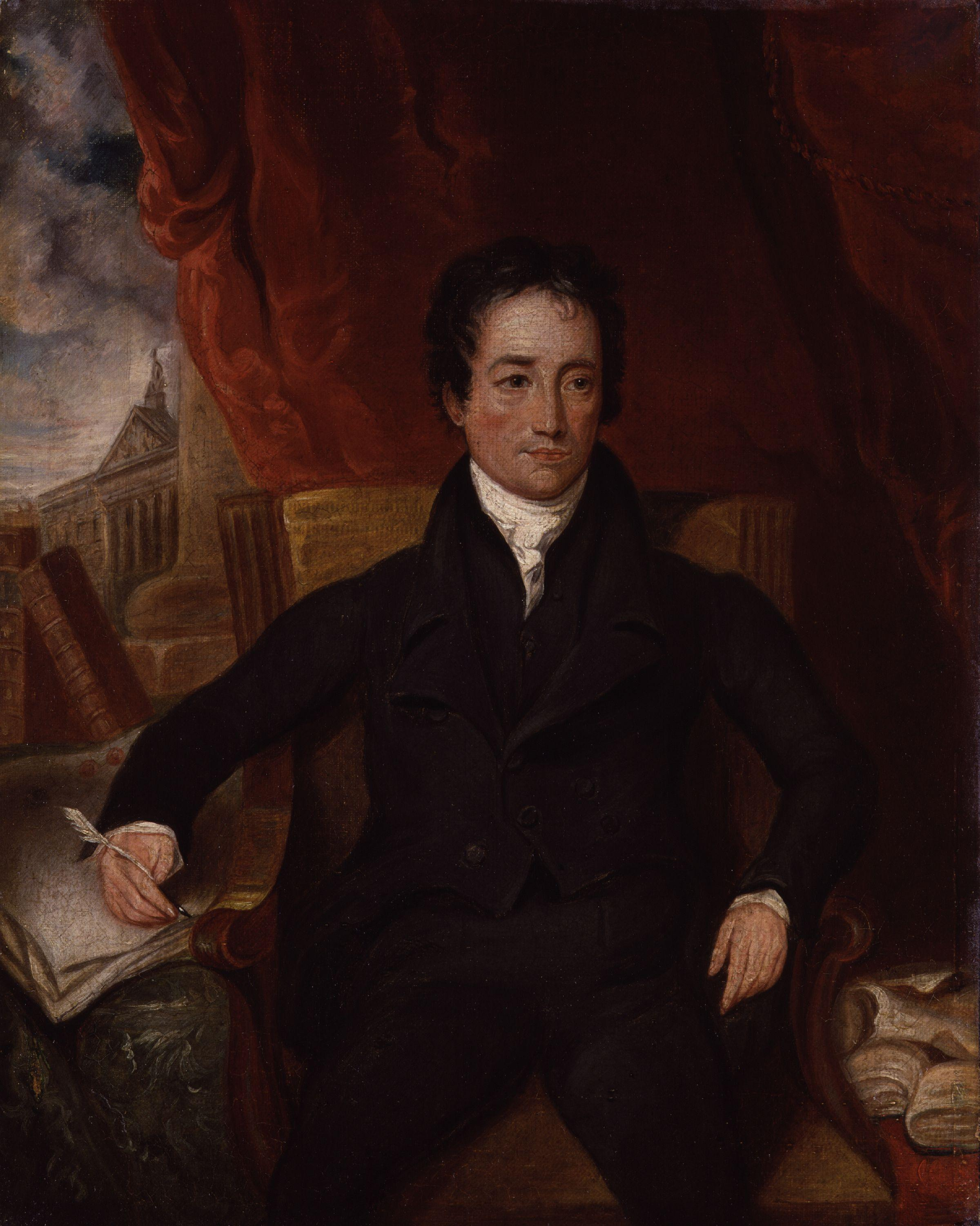
Charles Lamb spent his days crunching numbers for the East India Company. At night, he became Elia, a gentler, more whimsical version of himself, wandering the streets of London with eyes tuned to its oddest details and most tender memories. This volume collects his most beloved essays from the London Magazine, where he transforms ordinary moments, a roast pig, a child's demand for a story, a walk through old neighborhoods, into something achingly beautiful. Lamb's voice is unlike anything in English prose: self-mocking yet profound, playful yet haunted by loss. He writes about childhood with a nostalgia that feels both universal and deeply personal, about London with the eye of a naturalist cataloging a vanishing species, about books and food and the strange people he encountered. The essays move between humor and melancholy so seamlessly that you feel both at once. Whether he's mourning the death of a child who never existed (in "Dream-Children") or explaining why he refuses to grow old, Lamb offers a peculiar kind of wisdom, one that celebrates the imperfect, the idiosyncratic, the quietly heroic in ordinary life. For anyone who loves the personal essay, or who wants to discover a writer whose voice feels like a friend sitting across from you, this collection remains essential reading.
Editions
X-Ray
“A book reads the better which is our own, and has been so long known to us, that we know the topography of its blots, and dog's ears, and can trace the dirt in it to having read it at tea with buttered muffins.””
— Charles Lamb
“Newspapers always excite curiosity. No one ever lays one down without a feeling of disappointment.””
— Charles Lamb
“I own that I am disposed to say grace upon twenty other occasions in the course of the day besides my dinner. I want a form for setting out upon a pleasant walk, for a moonlight ramble, for a friendly meeting, or a solved problem. Why have none for books, those spiritual repasts - a grace before Milton - a grace before Shakespeare - a devotional exercise proper to be said before reading the Fairy Queen?””
— Charles Lamb
“Gorgons and Hydras, and Chimaeras”
— Charles Lamb
“The inventor of [this saying, 'That Enough Is As Good As a Feast'] did not believe it himself....Goodly legs and shoulders of mutton, exhilarating cordials, books, pictures, the opportunities of seeing foreign countries, independence, heart's ease, a man's own time to himself, are not”
— Charles Lamb
“Above all, you must beware of indirect expressions before a Caledonian. Clap an extinguisher upon your irony, if you are unhappily blest with a vein of it. … I was present not long since at a party of North Britons, where a son of Burns was expected ; and happened to drop a silly expression (in my South British way), that I wished it were the father instead of the son”
— Charles Lamb
“I am sentimentally disposed to harmony but organically incapable of tune.””
— Charles Lamb
“I don't envy the mule his labyrinthine inlets, those indispensable side-intelligencers.””
— Charles Lamb
“On these little visual interpretations [Valentine's Day cards], no emblem is so common as the heart,”
— Charles Lamb
Link to this book
Add a free, dofollow link to Lex on your blog, forum, syllabus, or reading list.

<a href="https://lex-books.com/book/the-works-of-charles-and-mary-lamb-volume-2-elia-and-the-last-essays-of-elia-1afe39e2-c2fd-40ef-90e4-0f18474fd638"><img src="https://lex-books.com/badges/read-on-lex.svg" alt="Read The Works of Charles and Mary Lamb — Volume 2: Elia and the Last Essays of Elia by Charles Lamb free on Lex" width="160" height="40"></a>[](https://lex-books.com/book/the-works-of-charles-and-mary-lamb-volume-2-elia-and-the-last-essays-of-elia-1afe39e2-c2fd-40ef-90e4-0f18474fd638)[url=https://lex-books.com/book/the-works-of-charles-and-mary-lamb-volume-2-elia-and-the-last-essays-of-elia-1afe39e2-c2fd-40ef-90e4-0f18474fd638][img]https://lex-books.com/badges/read-on-lex.svg[/img][/url]Read The Works of Charles and Mary Lamb — Volume 2: Elia and the Last Essays of Elia by Charles Lamb free on Lex: https://lex-books.com/book/the-works-of-charles-and-mary-lamb-volume-2-elia-and-the-last-essays-of-elia-1afe39e2-c2fd-40ef-90e4-0f18474fd638Cite this book
Reading this edition for a paper or guide? Copy a citation.
Lamb, Charles. The Works of Charles and Mary Lamb — Volume 2: Elia and the Last Essays of Elia. Lex, lex-books.com/book/the-works-of-charles-and-mary-lamb-volume-2-elia-and-the-last-essays-of-elia-1afe39e2-c2fd-40ef-90e4-0f18474fd638.Lamb, C. (1820). The Works of Charles and Mary Lamb — Volume 2: Elia and the Last Essays of Elia. Lex. https://lex-books.com/book/the-works-of-charles-and-mary-lamb-volume-2-elia-and-the-last-essays-of-elia-1afe39e2-c2fd-40ef-90e4-0f18474fd638Lamb, Charles. The Works of Charles and Mary Lamb — Volume 2: Elia and the Last Essays of Elia. Lex. https://lex-books.com/book/the-works-of-charles-and-mary-lamb-volume-2-elia-and-the-last-essays-of-elia-1afe39e2-c2fd-40ef-90e4-0f18474fd638.