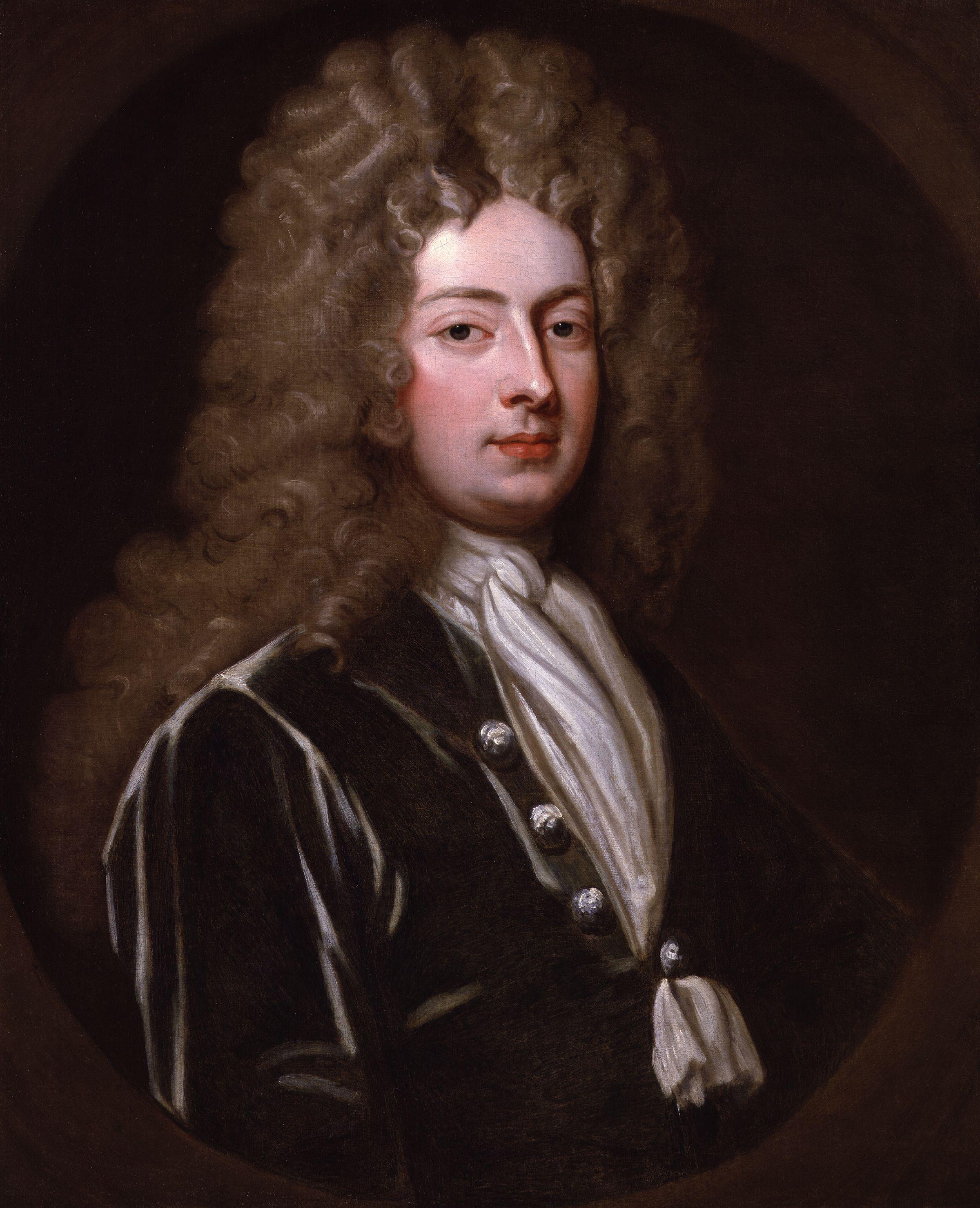
The Way of the World
1700
In the glittering chocolate houses and drawing rooms of Restoration London, love is a game and marriage is a transaction. Mirabell loves the radiant Millamant, but her aunt Lady Wishfort demands he beg for her hand by surrendering his fortune. So Mirabell engineers an elaborate scheme: he pretends to court Lady Wishfort herself, while his servants carry messages to the woman he truly desires. Around this central courtship swirls a dizzying cast of rivals, rivals turned friends, jilted lovers, and one genuinely dangerous woman named Marwood whose revenge threatens to destroy everything. Congreve's masterpiece crackles with the sharpest wit of the age. Every line is a duel, every glance a calculation. The characters speak in elaborately constructed sentences that dazzle and deceive in equal measure, revealing hearts that are far more mercenary than they let on. Marriage here is not about love but about settlements, reputation, and strategic advantage. The comedy cuts deep: these people are funny, but they're also quietly desperate to secure their futures in a world where a woman's worth is her marriage price and a man's honor is his purse. The Way of the World endures because it captures something timeless about the performance of love, the economics of desire, and the elaborate rituals we build around intimacy. It demands attention, rewards patience, and delivers some of the most exhilarating dialogue in English theater.
Editions

X-Ray
“But say what you will, 'tis better to be left than never to have been loved. To pass our youth in dull indifference, to refuse the sweets of life because they once must leave us, is as preposterous as to wish to have been born old, because we one day must be old.””
— William Congreve
“One no more owes one's beauty to a lover than one's wit to an echo””
— William Congreve
“True, 'tis an unhappy circumstance of life that love should ever die before us, and that the man so often should outlive the lover. But say what you will, 'tis better to be left than never to have been loved. To pass our youth in dull indifference, to refuse the sweets of life because they once must leave us, is as preposterous as to wish to have been born old, because we one day must be old. For my part, my youth may wear and waste, but it shall never rust in my possession.””
— William Congreve
“Of those few fools, who with ill stars are curst,Sure scribbling fools, called poets, fare the worst:For they're a sort of fools which fortune makes,And, after she has made them fools, forsakes.With Nature's oafs 'tis quite a different case,For Fortune favours all her idiot race.In her own nest the cuckoo eggs we find,Over which she broods to hatch the changeling kind:No portion for her own she has to spare,So much she dotes on her adopted care.Poets are bubbles, by the town drawn in,Suffered at first some trifling stakes to win:But what unequal hazards do they run!Each time they write they venture all they've won:The Squire that's buttered still, is sure to be undone.This author, heretofore, has found your favour,But pleads no merit from his past behaviour.To build on that might prove a vain presumption,Should grant to poets made admit resumption,And in Parnassus he must lose his seat,If that be found a forfeited estate.””
— William Congreve
“Well, I shall understand your lingo one of these days, cousin.””
— William Congreve
Link to this book
Add a free, dofollow link to Lex on your blog, forum, syllabus, or reading list.

<a href="https://lex-books.com/book/the-way-of-the-world-82e6db59-e691-4c61-9f34-051de4865113"><img src="https://lex-books.com/badges/read-on-lex.svg" alt="Read The Way of the World by William Congreve free on Lex" width="160" height="40"></a>[](https://lex-books.com/book/the-way-of-the-world-82e6db59-e691-4c61-9f34-051de4865113)[url=https://lex-books.com/book/the-way-of-the-world-82e6db59-e691-4c61-9f34-051de4865113][img]https://lex-books.com/badges/read-on-lex.svg[/img][/url]Read The Way of the World by William Congreve free on Lex: https://lex-books.com/book/the-way-of-the-world-82e6db59-e691-4c61-9f34-051de4865113Cite this book
Reading this edition for a paper or guide? Copy a citation.
Congreve, William. The Way of the World. Lex, lex-books.com/book/the-way-of-the-world-82e6db59-e691-4c61-9f34-051de4865113.Congreve, W. (1700). The Way of the World. Lex. https://lex-books.com/book/the-way-of-the-world-82e6db59-e691-4c61-9f34-051de4865113Congreve, William. The Way of the World. Lex. https://lex-books.com/book/the-way-of-the-world-82e6db59-e691-4c61-9f34-051de4865113.