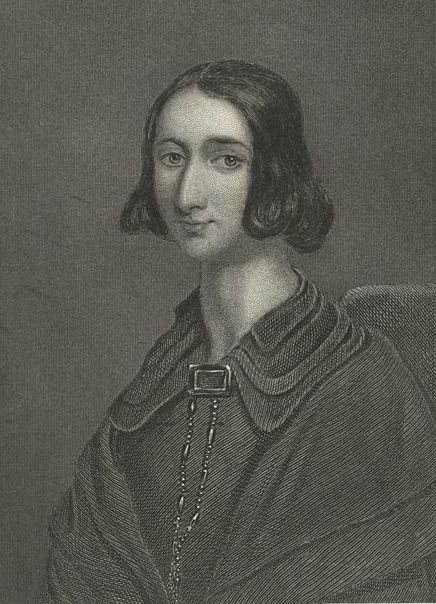
The Vale of Cedars; Or, the Martyr
1850
In 1490s Spain, where the shadows of the Inquisition lengthen over every Jewish household, Marie Henriquez meets Arthur Stanley, an Englishman who offers her escape. But escape means apostasy, and love cannot purchase peace at the cost of everything she is. Grace Aguilar, writing from the blood memory of her own Sephardic ancestors who fled Portugal, crafted this novella with the fierce precision of someone who understood that some choices carry no return. Marie's father is dying. The walls are closing in. And Arthur represents both salvation and the final betrayal of everything her family has preserved through centuries of exile. The Vale of Cedars is not merely a romance of forbidden love - it is an argument made in the language of story, asserting that identity is not a garment to be removed at convenience but the very architecture of the self. Aguilar's prose burns with controlled urgency, and her heroine's dilemma feels less like Victorian melodrama than like a question still being asked: what do we owe to the dead, and what do we owe to ourselves?
Editions
Link to this book
Add a free, dofollow link to Lex on your blog, forum, syllabus, or reading list.

<a href="https://lex-books.com/book/the-vale-of-cedars-or-the-martyr-4ae30897-2e14-42ab-8539-9f580f17e322"><img src="https://lex-books.com/badges/read-on-lex.svg" alt="Read The Vale of Cedars; Or, the Martyr by Grace Aguilar free on Lex" width="160" height="40"></a>[](https://lex-books.com/book/the-vale-of-cedars-or-the-martyr-4ae30897-2e14-42ab-8539-9f580f17e322)[url=https://lex-books.com/book/the-vale-of-cedars-or-the-martyr-4ae30897-2e14-42ab-8539-9f580f17e322][img]https://lex-books.com/badges/read-on-lex.svg[/img][/url]Read The Vale of Cedars; Or, the Martyr by Grace Aguilar free on Lex: https://lex-books.com/book/the-vale-of-cedars-or-the-martyr-4ae30897-2e14-42ab-8539-9f580f17e322Cite this book
Reading this edition for a paper or guide? Copy a citation.
Aguilar, Grace. The Vale of Cedars; Or, the Martyr. Lex, lex-books.com/book/the-vale-of-cedars-or-the-martyr-4ae30897-2e14-42ab-8539-9f580f17e322.Aguilar, G. (1850). The Vale of Cedars; Or, the Martyr. Lex. https://lex-books.com/book/the-vale-of-cedars-or-the-martyr-4ae30897-2e14-42ab-8539-9f580f17e322Aguilar, Grace. The Vale of Cedars; Or, the Martyr. Lex. https://lex-books.com/book/the-vale-of-cedars-or-the-martyr-4ae30897-2e14-42ab-8539-9f580f17e322.