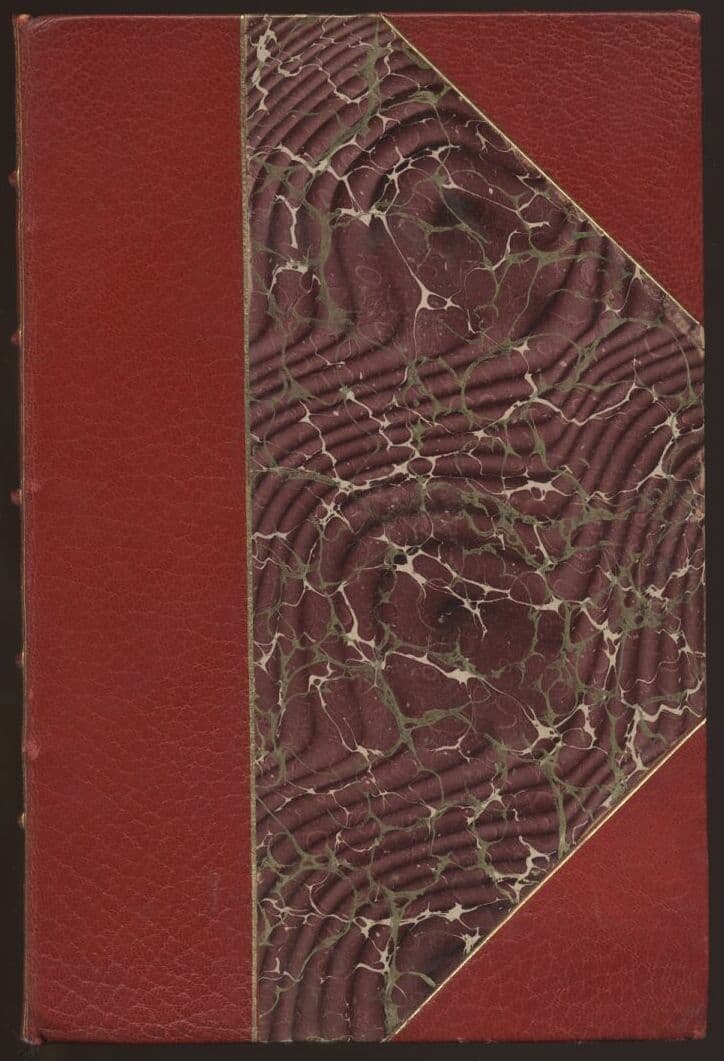
The Unbearable Bassington
1912
In Edwardian England where marriage is currency and charm is warfare, Francesca Bassington wages a quiet campaign to secure her future through her handsome but infuriating son Comus. He is spirited, rebellious, and absolutely determined to thwart every scheme she constructs. Through their escalating battle of wills, Saki dissects the brutal mathematics of social climbing with the precision of a surgeon and the glee of a satirist. This is comedy that cuts deep, exposing the desperate arithmetic beneath the tea roses. Francesca has gambled everything on landing Comus a wealthy wife, but he refuses to be played. As her manipulations grow more desperate and his resistance more reckless, mother and son circle each other toward a collision that feels both inevitable and shocking. Saki, best known for his vicious short stories, brings the same precision to this longer form: every line drips with wit, every character is a type and an individual at once. The novel sits comfortably alongside works by Wilde and Waugh in the lineage of English comic cruelty. It endures because it captures something true about the collision between parental ambition and childly autonomy, about the costs of respectability, about love that expresses itself through control. If you want fiction that entertains while it cuts, this is the book.
Editions
X-Ray
“You are not really dying, are you?” asked Amanda. “I have the doctor’s permission to live till Tuesday,” said Laura.””
— Saki
“Cyprian was a boy who carried with him through early life the wondering look of a dreamer, the eyes of one who sees things that are not visible to ordinary mortals, and invests the commonplace things of this world with qualities unsuspected by plainer folk”
— Saki
“Insanity? No, I never heard of any. Her father lives in West Kensington, but I believe he's sane on all other subjects.””
— Saki
“Râse cu un hohot straniu, mocnit, simpatic ca un chicot și neliniștitor ca o mârâitură.””
— Saki
Link to this book
Add a free, dofollow link to Lex on your blog, forum, syllabus, or reading list.

<a href="https://lex-books.com/book/the-unbearable-bassington-50e0f8bd-67ac-49fd-8a55-d1b27d498d3a"><img src="https://lex-books.com/badges/read-on-lex.svg" alt="Read The Unbearable Bassington by Saki free on Lex" width="160" height="40"></a>[](https://lex-books.com/book/the-unbearable-bassington-50e0f8bd-67ac-49fd-8a55-d1b27d498d3a)[url=https://lex-books.com/book/the-unbearable-bassington-50e0f8bd-67ac-49fd-8a55-d1b27d498d3a][img]https://lex-books.com/badges/read-on-lex.svg[/img][/url]Read The Unbearable Bassington by Saki free on Lex: https://lex-books.com/book/the-unbearable-bassington-50e0f8bd-67ac-49fd-8a55-d1b27d498d3aCite this book
Reading this edition for a paper or guide? Copy a citation.
Saki. The Unbearable Bassington. Lex, lex-books.com/book/the-unbearable-bassington-50e0f8bd-67ac-49fd-8a55-d1b27d498d3a.Saki (1912). The Unbearable Bassington. Lex. https://lex-books.com/book/the-unbearable-bassington-50e0f8bd-67ac-49fd-8a55-d1b27d498d3aSaki. The Unbearable Bassington. Lex. https://lex-books.com/book/the-unbearable-bassington-50e0f8bd-67ac-49fd-8a55-d1b27d498d3a.