The Theory of the Leisure Class
1899
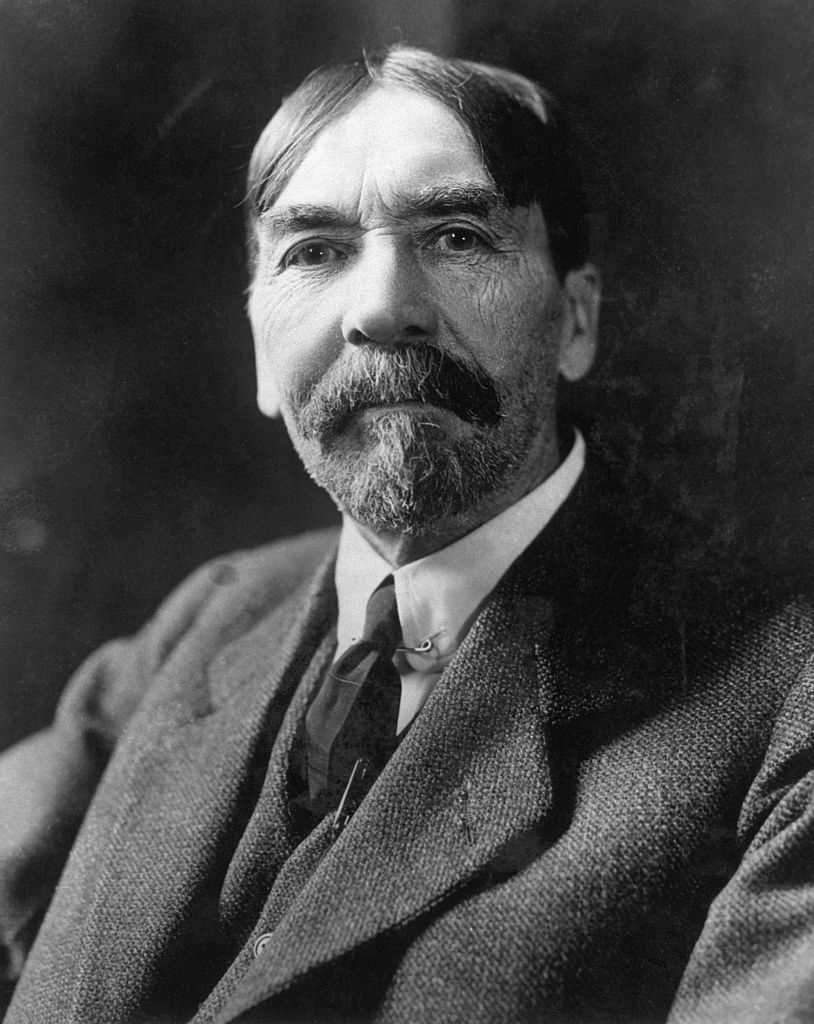
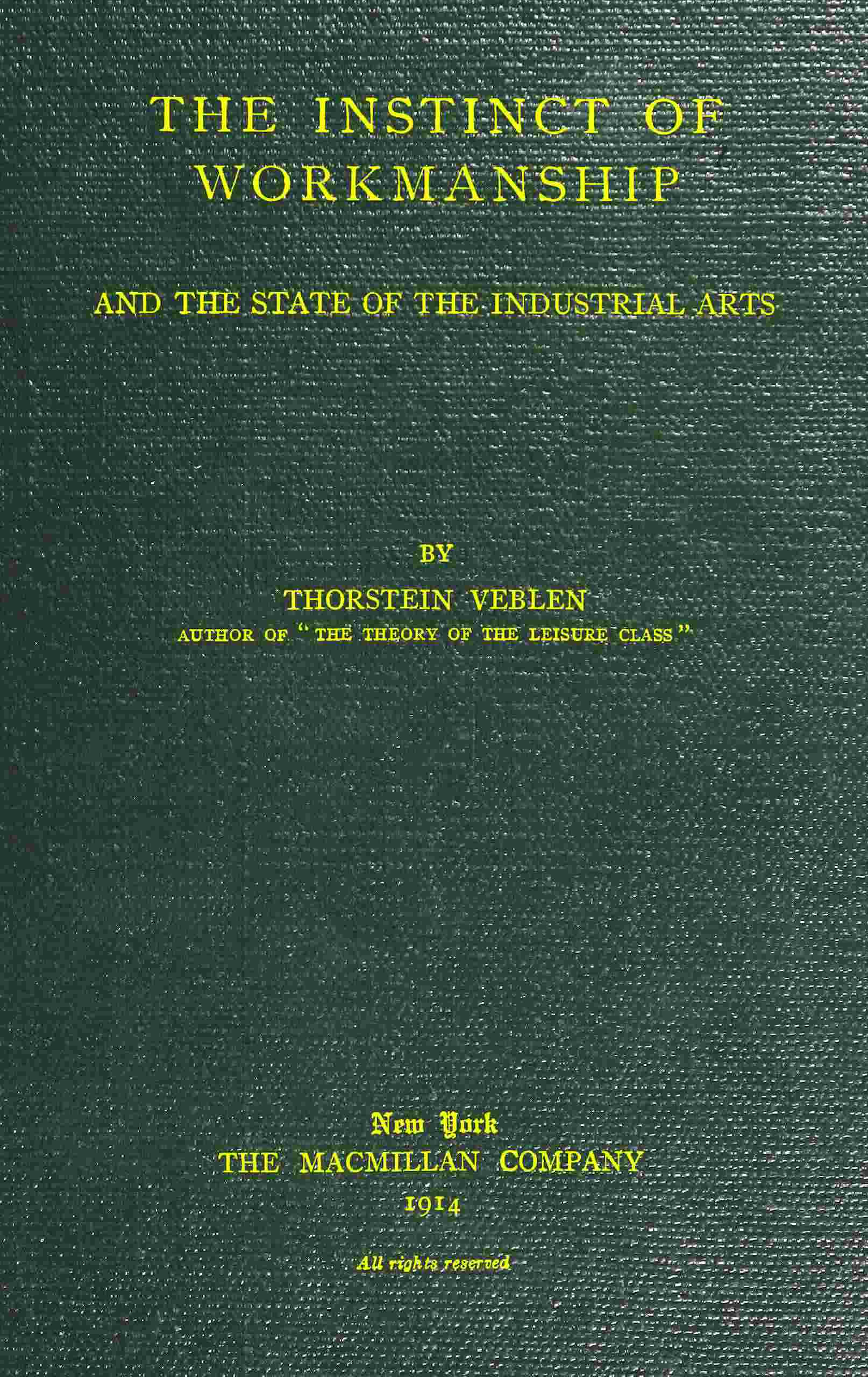
In 1899, a sharp-tongued economist turned his gaze on the American rich and discovered something that would define the next century of criticism: they don't become wealthy by working. Thorstein Veblen coined the term "conspicuous consumption" in this razor-sharp treatise, and he meant it as an indictment. The leisure class, he argued, proves its status not through productivity but through waste , of money, of time, of resources. The expensive suit, the idle afternoon, the charity gala where a million dollars buys a table and a name in the paper: these are not marks of success but rituals of dominance, ways of demonstrating that one is above mere labor. Veblen traces this instinct from feudal lords to Gilded Age magnates, showing how the wealthy have always outsourced productive work while keeping for themselves the honors of governance, war, and holy contemplation. The result is a book that reads like a time machine , its critique of yacht-owning billionaires and trophy wives applies almost verbatim to the twenty-first century. If you've ever wondered why the rich behave the way they do, or why we let them, Veblen's answer is still the most satisfying one written.
Editions

Link to this book
Add a free, dofollow link to Lex on your blog, forum, syllabus, or reading list.

<a href="https://lex-books.com/book/the-theory-of-the-leisure-class-c905d58a-6535-4345-bd2e-7fff9261297c"><img src="https://lex-books.com/badges/read-on-lex.svg" alt="Read The Theory of the Leisure Class by Thorstein Veblen free on Lex" width="160" height="40"></a>[](https://lex-books.com/book/the-theory-of-the-leisure-class-c905d58a-6535-4345-bd2e-7fff9261297c)[url=https://lex-books.com/book/the-theory-of-the-leisure-class-c905d58a-6535-4345-bd2e-7fff9261297c][img]https://lex-books.com/badges/read-on-lex.svg[/img][/url]Read The Theory of the Leisure Class by Thorstein Veblen free on Lex: https://lex-books.com/book/the-theory-of-the-leisure-class-c905d58a-6535-4345-bd2e-7fff9261297cCite this book
Reading this edition for a paper or guide? Copy a citation.
Veblen, Thorstein. The Theory of the Leisure Class. Lex, lex-books.com/book/the-theory-of-the-leisure-class-c905d58a-6535-4345-bd2e-7fff9261297c.Veblen, T. (1899). The Theory of the Leisure Class. Lex. https://lex-books.com/book/the-theory-of-the-leisure-class-c905d58a-6535-4345-bd2e-7fff9261297cVeblen, Thorstein. The Theory of the Leisure Class. Lex. https://lex-books.com/book/the-theory-of-the-leisure-class-c905d58a-6535-4345-bd2e-7fff9261297c.