The Teaching of Geometry
1911
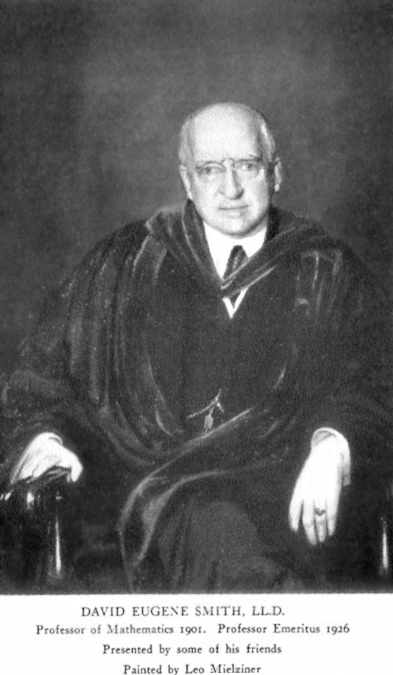
In 1912, American education stood at a crossroads, and geometry was at the heart of the fight. David Eugene Smith, one of the era's most influential mathematics educators, offers a window into the contentious debates raging through classrooms and faculty lounges: should geometry remain a rigid exercise in Euclidean proofs, or evolve to meet the demands of a modern industrial society? This book captures a pivotal moment when teachers, administrators, and philosophers were actively reimagining what math education could and should be. Smith writes not as an extremist but as a diplomat of ideas, crafting a framework that acknowledges the value of tradition while making a passionate case for pedagogical evolution. He addresses the anxieties of teachers resistant to change and the ambitions of progressives pushing for reform, seeking a middle path that makes geometry genuinely compelling to teenage students. The result is less a rigid prescription than a thoughtful meditation on how we learn, why we learn, and what we lose when education becomes calcified. For modern readers, the book functions as both historical artifact and quiet provocation. The debates Smith documents about relevance, engagement, and curriculum reform have not subsided; they have only intensified. Anyone interested in where our math education wars came from will find their origins here, in this elegant defense of teaching geometry as something worth caring about.
Editions
Link to this book
Add a free, dofollow link to Lex on your blog, forum, syllabus, or reading list.

<a href="https://lex-books.com/book/the-teaching-of-geometry-be309aa2-f968-4200-8551-a1ad07070cab"><img src="https://lex-books.com/badges/read-on-lex.svg" alt="Read The Teaching of Geometry by David Eugene Smith free on Lex" width="160" height="40"></a>[](https://lex-books.com/book/the-teaching-of-geometry-be309aa2-f968-4200-8551-a1ad07070cab)[url=https://lex-books.com/book/the-teaching-of-geometry-be309aa2-f968-4200-8551-a1ad07070cab][img]https://lex-books.com/badges/read-on-lex.svg[/img][/url]Read The Teaching of Geometry by David Eugene Smith free on Lex: https://lex-books.com/book/the-teaching-of-geometry-be309aa2-f968-4200-8551-a1ad07070cabCite this book
Reading this edition for a paper or guide? Copy a citation.
Smith, David Eugene. The Teaching of Geometry. Lex, lex-books.com/book/the-teaching-of-geometry-be309aa2-f968-4200-8551-a1ad07070cab.Smith, D. E. (1911). The Teaching of Geometry. Lex. https://lex-books.com/book/the-teaching-of-geometry-be309aa2-f968-4200-8551-a1ad07070cabSmith, David Eugene. The Teaching of Geometry. Lex. https://lex-books.com/book/the-teaching-of-geometry-be309aa2-f968-4200-8551-a1ad07070cab.