The Story of Mary Maclane
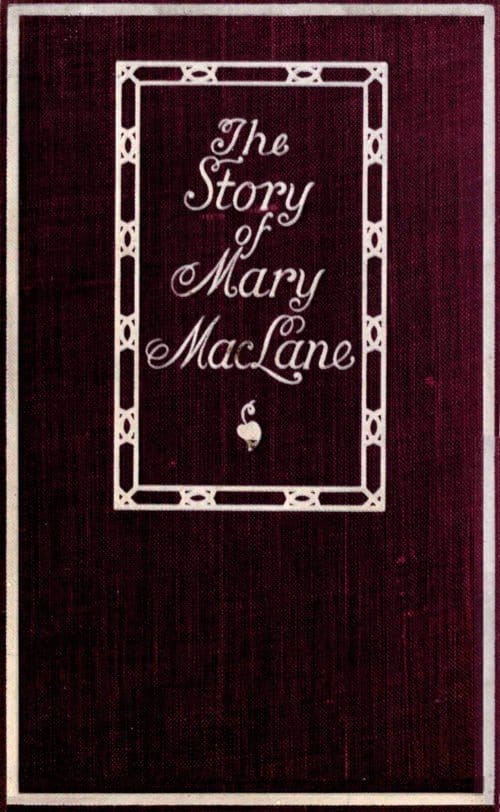
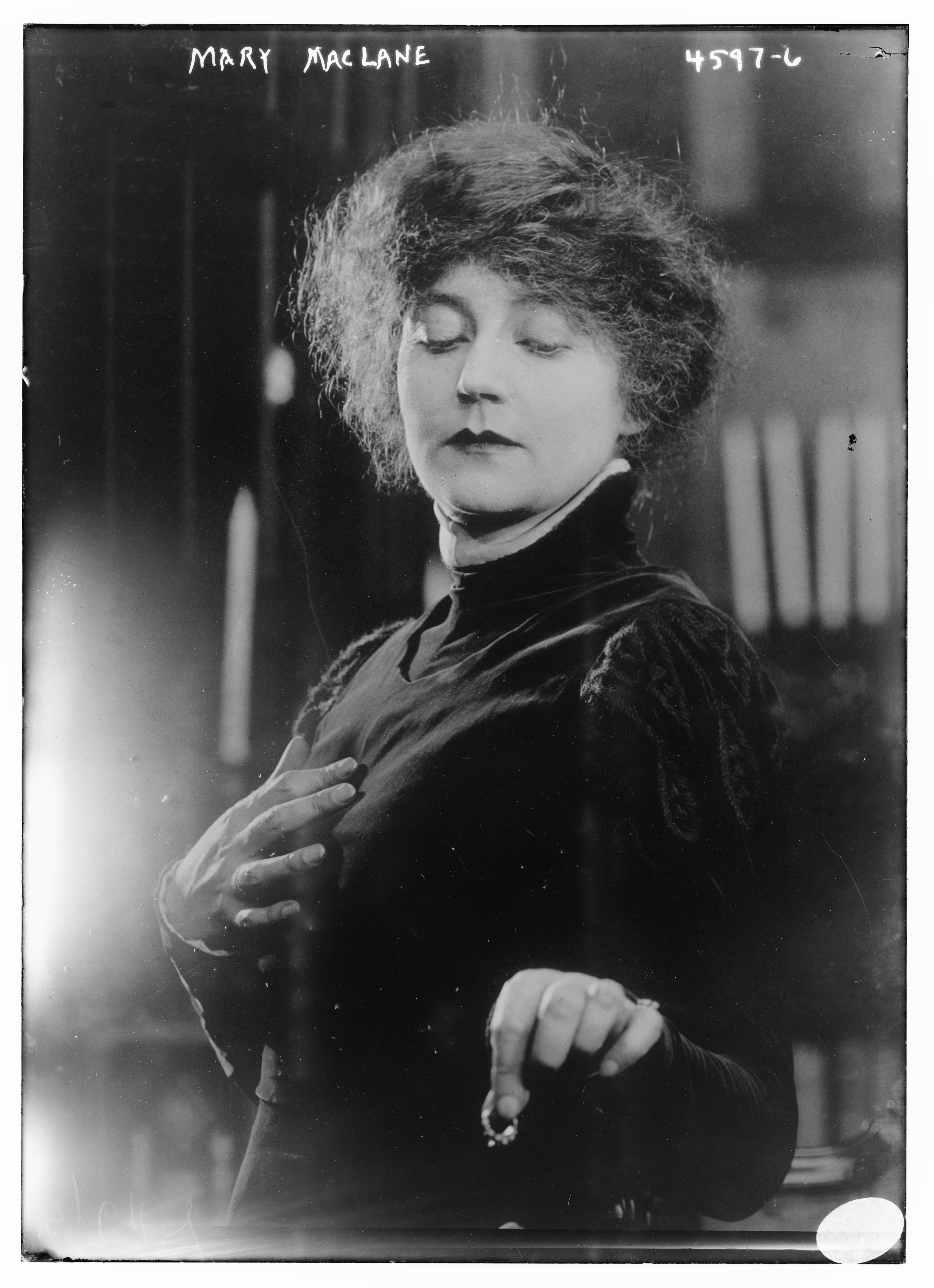
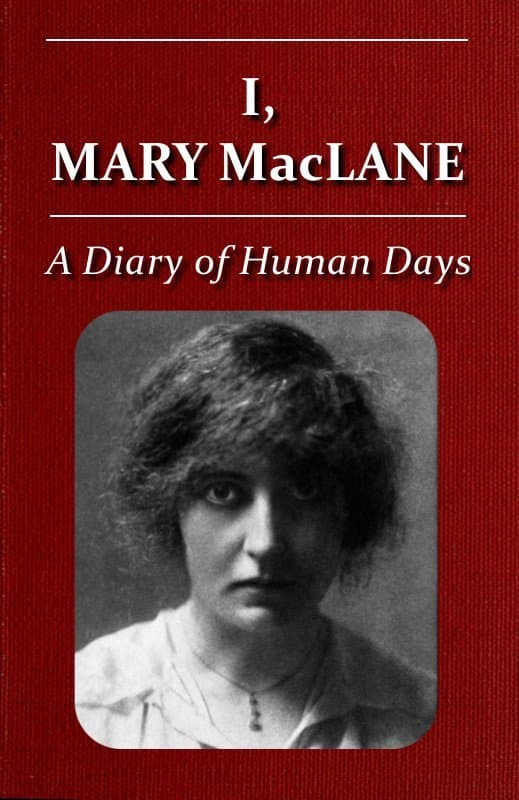
In 1902, a nineteen-year-old girl in Butte, Montana wrote a book that made her famous overnight, and scandalized an entire nation. Mary MacLane's memoir sold one hundred thousand copies in its first month, turning its young author into a celebrity whose name became synonymous with sexual daring. Then, almost immediately, she was erased from literary history. The book that caused all this trouble is raw, restless, and unapologetically intense. MacLane writes with ferocious honesty about her own brilliance and loneliness, her burning desire for recognition, her refusal to accept the small life expected of her. She documents her own existence with an almost aggressive self-awareness, grappling with identity, ambition, and the suffocating emptiness of a world that cannot understand her. The "Devil" she awaits becomes a symbol of liberation, of the passion and fulfillment the world around her refuses to provide. This is early feminism not as theory but as lived experience, one young woman's furious refusal to pretend she's content with less than everything she wants. It reads like a private journal that accidentally became a bomb thrown into the平静 of early twentieth-century America.
Editions
X-Ray
“I am not good. I am not virtuous. I am not sympathetic. I am not generous. I am merely and above all a creature of intense passionate feeling. I feel”
— Mary MacLane
“May I never, I say, become that abnormal, merciless animal, that deformed monstrosity”
— Mary MacLane
“Some people say that beauty is a curse. It may be true, but I'm sure I should not have at all minded being cursed a little.””
— Mary MacLane
“I consider calmly the question of how much evil I should need to kill off my finer feelings…””
— Mary MacLane
“Are there many things in this cool-hearted world so utterly exquisite as the pure love of one woman for another woman?””
— Mary MacLane
“If it please the Devil, one day I may have happiness. That will be all-sufficient. I shall then analyze no more. I shall be a different being.But meanwhile I shall eat.””
— Mary MacLane
“Some day the Devil will come to me and say: 'Come with me.'And I will answer: 'Yes.””
— Mary MacLane
“I shall have to miss forever some beautiful, wonderful things because of that wretched, lonely childhood. There will always be a lacking, a wanting -- some dead branches that never grew leaves. It is not deaths and murders and plots and wars that make life tragedy. It is day after day, and year after year, and Nothing. It is a sunburned little hand reached out and Nothing put into it.””
— Mary MacLane
“It is day after day. It is week after week. It is month after month. It is year after year. It is only time going and going. There is no joy. There is no lightness of heart. It is only the passing of days. I am young and alone.””
— Mary MacLane
Link to this book
Add a free, dofollow link to Lex on your blog, forum, syllabus, or reading list.

<a href="https://lex-books.com/book/the-story-of-mary-maclane-dcdd56b1-5c67-4b72-be52-c0837bb5cb7e"><img src="https://lex-books.com/badges/read-on-lex.svg" alt="Read The Story of Mary Maclane by Mary MacLane free on Lex" width="160" height="40"></a>[](https://lex-books.com/book/the-story-of-mary-maclane-dcdd56b1-5c67-4b72-be52-c0837bb5cb7e)[url=https://lex-books.com/book/the-story-of-mary-maclane-dcdd56b1-5c67-4b72-be52-c0837bb5cb7e][img]https://lex-books.com/badges/read-on-lex.svg[/img][/url]Read The Story of Mary Maclane by Mary MacLane free on Lex: https://lex-books.com/book/the-story-of-mary-maclane-dcdd56b1-5c67-4b72-be52-c0837bb5cb7eCite this book
Reading this edition for a paper or guide? Copy a citation.
MacLane, Mary. The Story of Mary Maclane. Lex, lex-books.com/book/the-story-of-mary-maclane-dcdd56b1-5c67-4b72-be52-c0837bb5cb7e.MacLane, M. (n.d.). The Story of Mary Maclane. Lex. https://lex-books.com/book/the-story-of-mary-maclane-dcdd56b1-5c67-4b72-be52-c0837bb5cb7eMacLane, Mary. The Story of Mary Maclane. Lex. https://lex-books.com/book/the-story-of-mary-maclane-dcdd56b1-5c67-4b72-be52-c0837bb5cb7e.