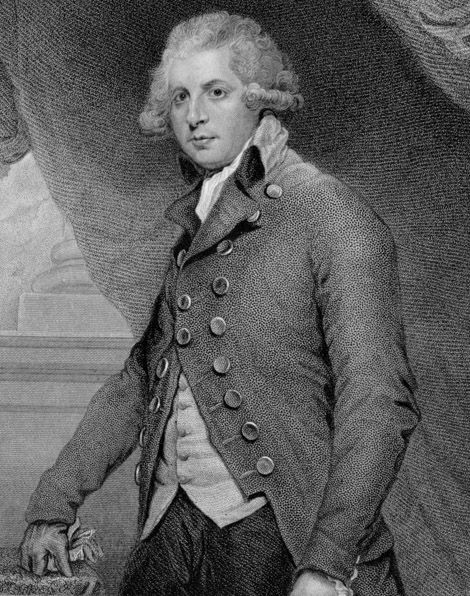
The School for Scandal
1777
In an age of viral gossip and manufactured outrage, Sheridan's 1777 masterpiece feels startlingly contemporary. Lady Sneerwell rules London society with nothing but malice and a well-timed whisper. When she orchestrates a scheme to destroy the reputation of the respectable Lady Teazle, she sets in motion a cascade of revelations that expose every character's hidden hypocrisies. The comedy builds to one of theater's most brilliant set pieces: a crowded room where everyone has something to hide, and the truth hides behind a screen. Sheridan writes with a scalpel, not a bludgeon, and the play's sparkling dialogue cuts to something essential about human nature: we all perform our virtue while devouring everyone else's scandal. Three centuries later, it remains devastatingly funny because nothing has changed. We're still watching, still whispering, still convinced we're better than the people we gossip about.
Editions

X-Ray
“Tale-bearers are as bad as the tale-makers.””
— Richard Brinsley Sheridan
“To pity, without the power to relieve, is still more painful than to ask and be denied.””
— Richard Brinsley Sheridan
“The heart that is conscious of its own integrity is ever slow to credit another´s treachery.””
— Richard Brinsley Sheridan
“If to raise malicious smiles at the infirmities or misfortunes of those who have never injured us be the province of wit or humour, Heaven grant me a double portion of dullness.””
— Richard Brinsley Sheridan
“-'tis an old observation, and a very true one; but what's to be done, as I said before? how will you prevent people from talking?...””
— Richard Brinsley Sheridan
“Alas! the devil's sooner raised than laid.””
— Richard Brinsley Sheridan
“... if Charles is undone, he'll find half his acquaintance ruined too, and that, you know, is a consolation.””
— Richard Brinsley Sheridan
“Are you ashamed of having done a right thing once in your life?""Ah: Sir”
— Richard Brinsley Sheridan
“I vow I bear no malice against the People I abuse, when I say an ill-natured thing, 'tis out of pure Good Humour”
— Richard Brinsley Sheridan
Link to this book
Add a free, dofollow link to Lex on your blog, forum, syllabus, or reading list.

<a href="https://lex-books.com/book/the-school-for-scandal-36d21ca4-694a-4634-bce9-1e035e6686be"><img src="https://lex-books.com/badges/read-on-lex.svg" alt="Read The School for Scandal by Richard Brinsley Sheridan free on Lex" width="160" height="40"></a>[](https://lex-books.com/book/the-school-for-scandal-36d21ca4-694a-4634-bce9-1e035e6686be)[url=https://lex-books.com/book/the-school-for-scandal-36d21ca4-694a-4634-bce9-1e035e6686be][img]https://lex-books.com/badges/read-on-lex.svg[/img][/url]Read The School for Scandal by Richard Brinsley Sheridan free on Lex: https://lex-books.com/book/the-school-for-scandal-36d21ca4-694a-4634-bce9-1e035e6686beCite this book
Reading this edition for a paper or guide? Copy a citation.
Sheridan, Richard Brinsley. The School for Scandal. Lex, lex-books.com/book/the-school-for-scandal-36d21ca4-694a-4634-bce9-1e035e6686be.Sheridan, R. B. (1777). The School for Scandal. Lex. https://lex-books.com/book/the-school-for-scandal-36d21ca4-694a-4634-bce9-1e035e6686beSheridan, Richard Brinsley. The School for Scandal. Lex. https://lex-books.com/book/the-school-for-scandal-36d21ca4-694a-4634-bce9-1e035e6686be.