What would you like to read?Search books, authors, genres, shelves, users...
Search books, authors, genres, shelves, users...Search books, authors, genres, shelves, users...

What would you like to read?Search books, authors, genres, shelves, users...
Search books, authors, genres, shelves, users...Search books, authors, genres, shelves, users...
1635?-1715
Thomas Burnet (c. 1635? – 27 September 1715) was an English theologian and writer on cosmogony.
1689
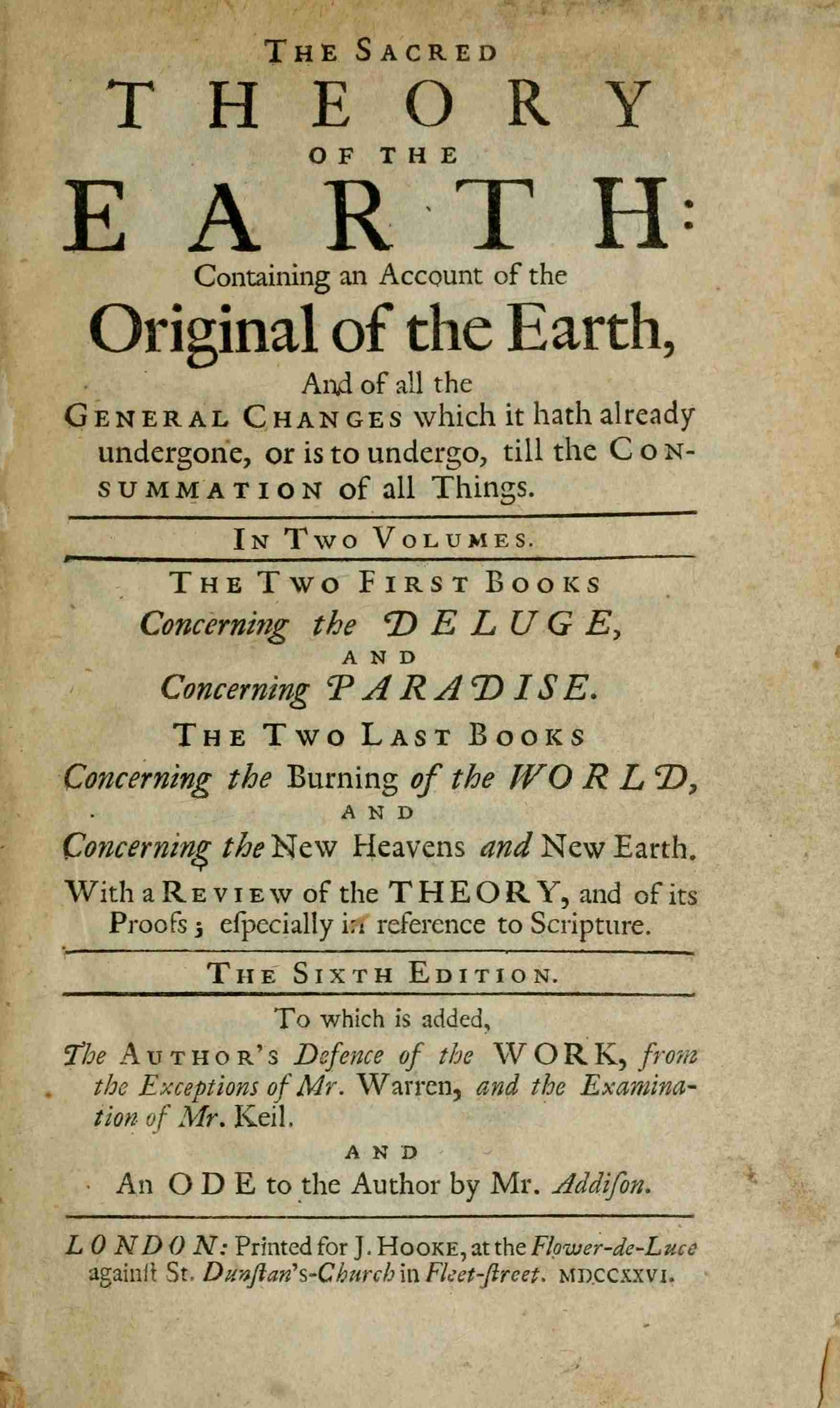
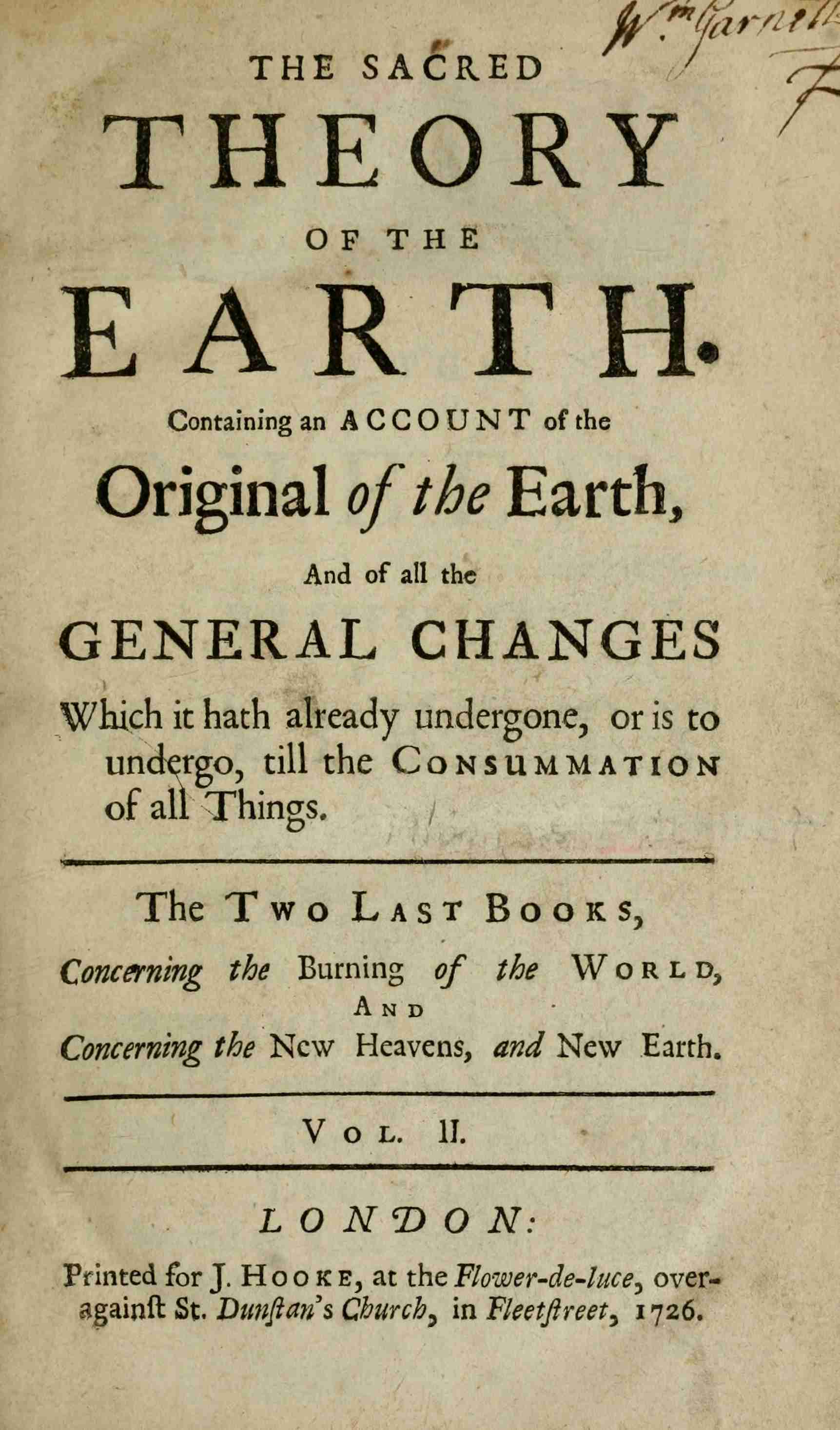
A theological and natural-philosophical treatise written in the early 18th century. It investigates the prophesied burning of the present world, the natural and scriptural grounds for that event, and the subsequent “new heavens and new earth.” Framing the current Earth as a ruin to be purified and refashioned, it argues for a paradisiacal renewal and treats the Millennium and the future state of humankind. The opening of this volume presents a courtly dedication that contrasts the grandeur of earthly dominion with the promised second Paradise after a purifying fire, followed by a preface that sets the aim: to explain the conflagration’s extent, causes, and manner, and the world’s renovation, in line with St. Peter and under Providence. An outline lists chapters on ancient testimonies, timing, causes and materials of the last fire, its progress, preceding signs, and then the birth, form, and inhabitants of the renewed world and the Millennium. The early chapters clarify that “world” means the sublunary Earth (not the heavens), that matter is not annihilated but its form dissolved, and that both classical authorities (especially the Stoics, with echoes from older Eastern traditions like the Phoenix emblem) and Scripture affirm a final judgment by fire. The text then argues the time cannot be fixed by astronomy or planetary conjunctions, critiques the “Great Year” and offers a natural reinterpretation of it, and notes that chronologies (sacred and profane) are uncertain. Turning to prophecy, it reviews the Jewish six-thousand-year tradition embraced by early Christian writers, yet shows how dating disagreements misled some to think the end was near, and concludes that apocalyptic periods (e.g., 1260 days) are indecisive without secure starting points. Overall, these opening sections establish the scope, sources, and method: reasoned inquiry anchored in Scripture, skeptical of astrological determinism, and cautious about timing while confident in the event and its redemptive purpose.
