The Philosophy of Style
1852
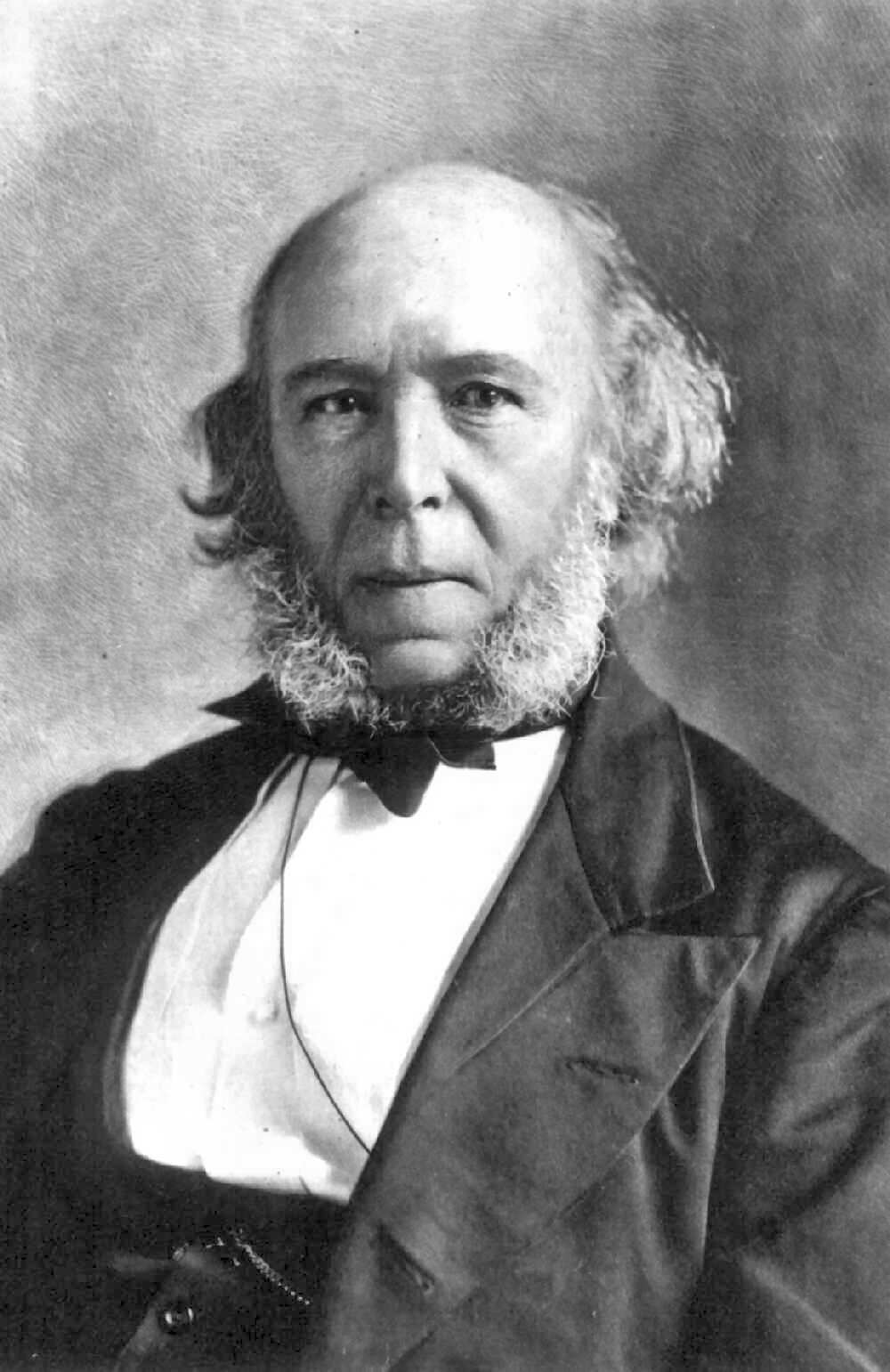
Long before anyone used the phrase 'kill your darlings,' Herbert Spencer formulated a radical idea: great writing is great economics. In this influential Victorian essay, Spencer argues that the fundamental purpose of style is to conserve the reader's mental energy. Every unnecessary syllable, every Latinate word where a Saxon one would serve, every convoluted construction forces the reader's mind to work harder than it should. Drawing on the scientific spirit of his age, Spencer treats prose as a problem in efficiency: a well-crafted sentence is one that delivers its meaning with minimal friction. The result is both a philosophy and a practical toolkit. Spencer demonstrates why concrete words outpace abstract ones, why the shortest word is often the strongest, and how metaphors and similes can reduce cognitive load by letting readers grasp unfamiliar ideas through what they already know. He dissects sentence structure not as an aesthetic indulgence but as a matter of psychological impact. Though written in 1852, the work feels startlingly modern in its insistence that clarity is not a stylistic choice but an ethical obligation. Those who write or care about prose will find this short, dense work disproportionately rewarding. It laid groundwork that would influence generations of stylists, from Orwell to Pinker, and it remains essential reading for anyone who believes that how we say something is inseparable from what we mean.
Editions
Link to this book
Add a free, dofollow link to Lex on your blog, forum, syllabus, or reading list.

<a href="https://lex-books.com/book/the-philosophy-of-style-138b3c74-0b9f-4d9d-9fe2-ba45c8333d07"><img src="https://lex-books.com/badges/read-on-lex.svg" alt="Read The Philosophy of Style by Herbert Spencer free on Lex" width="160" height="40"></a>[](https://lex-books.com/book/the-philosophy-of-style-138b3c74-0b9f-4d9d-9fe2-ba45c8333d07)[url=https://lex-books.com/book/the-philosophy-of-style-138b3c74-0b9f-4d9d-9fe2-ba45c8333d07][img]https://lex-books.com/badges/read-on-lex.svg[/img][/url]Read The Philosophy of Style by Herbert Spencer free on Lex: https://lex-books.com/book/the-philosophy-of-style-138b3c74-0b9f-4d9d-9fe2-ba45c8333d07Cite this book
Reading this edition for a paper or guide? Copy a citation.
Spencer, Herbert. The Philosophy of Style. Lex, lex-books.com/book/the-philosophy-of-style-138b3c74-0b9f-4d9d-9fe2-ba45c8333d07.Spencer, H. (1852). The Philosophy of Style. Lex. https://lex-books.com/book/the-philosophy-of-style-138b3c74-0b9f-4d9d-9fe2-ba45c8333d07Spencer, Herbert. The Philosophy of Style. Lex. https://lex-books.com/book/the-philosophy-of-style-138b3c74-0b9f-4d9d-9fe2-ba45c8333d07.