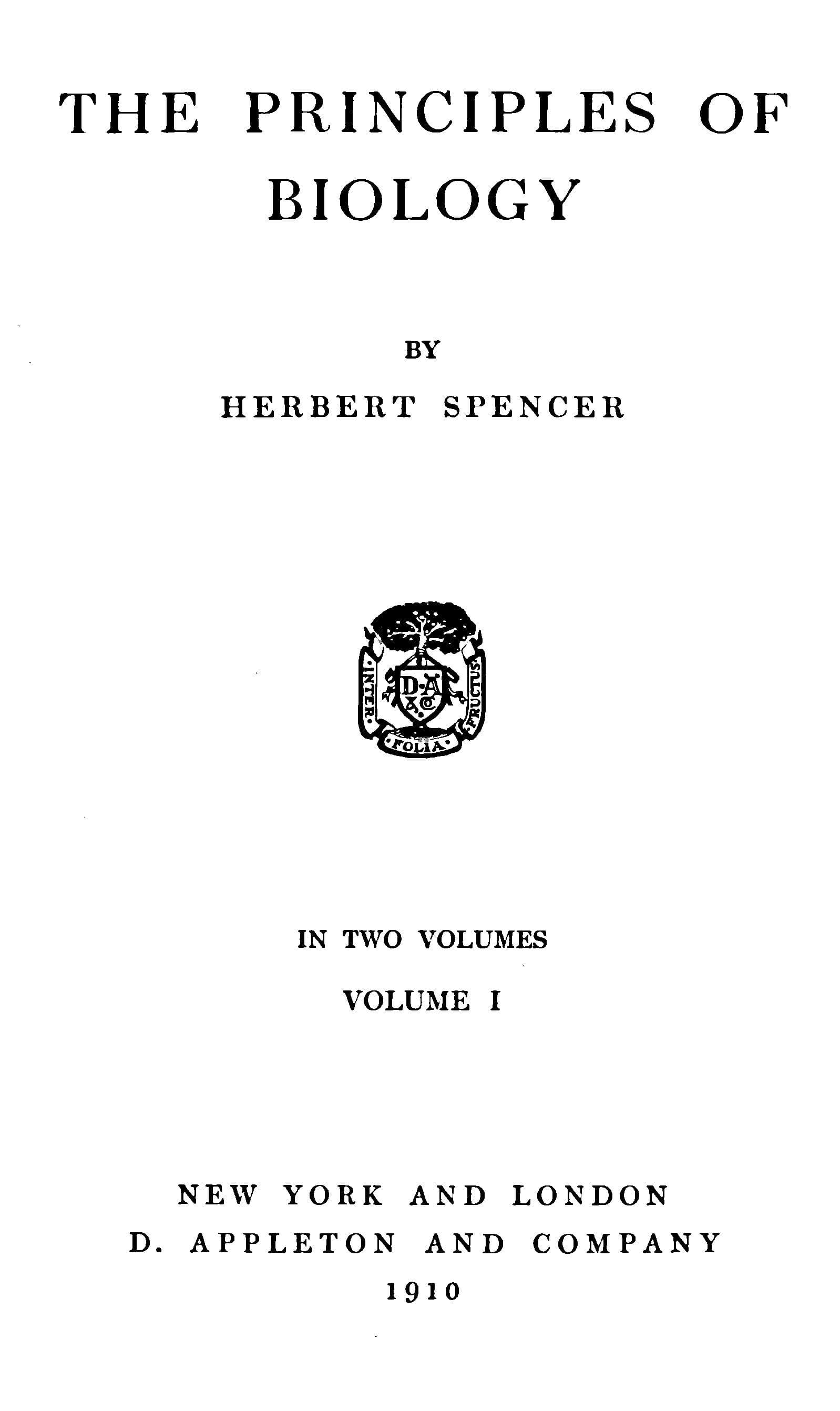
The Principles of Biology, Volume 2 (of 2)
1867
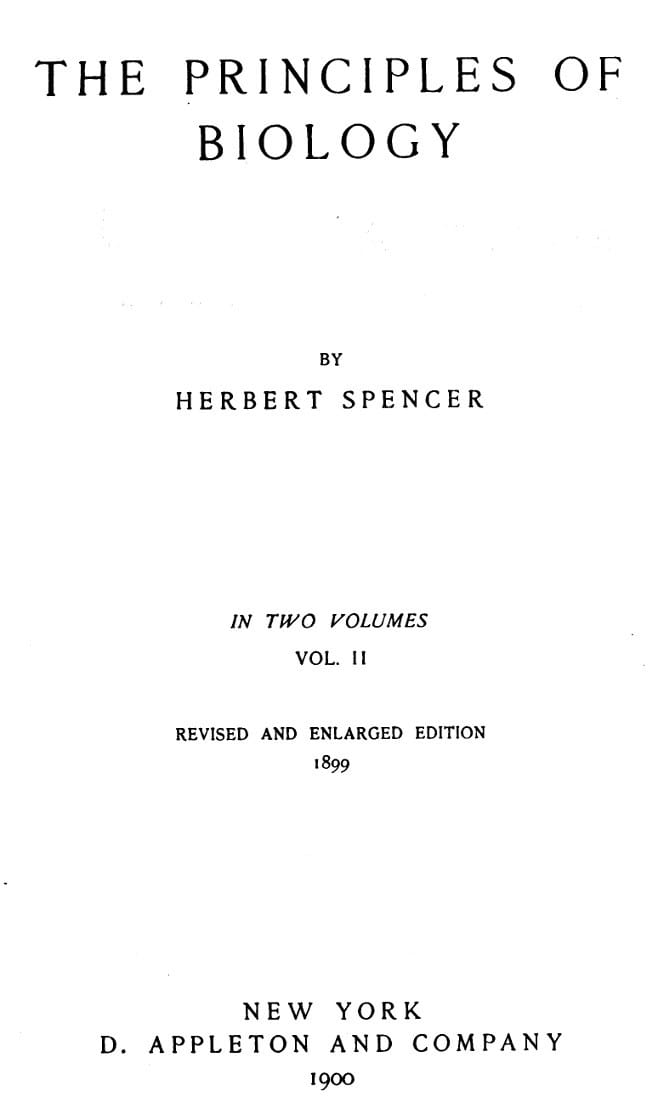
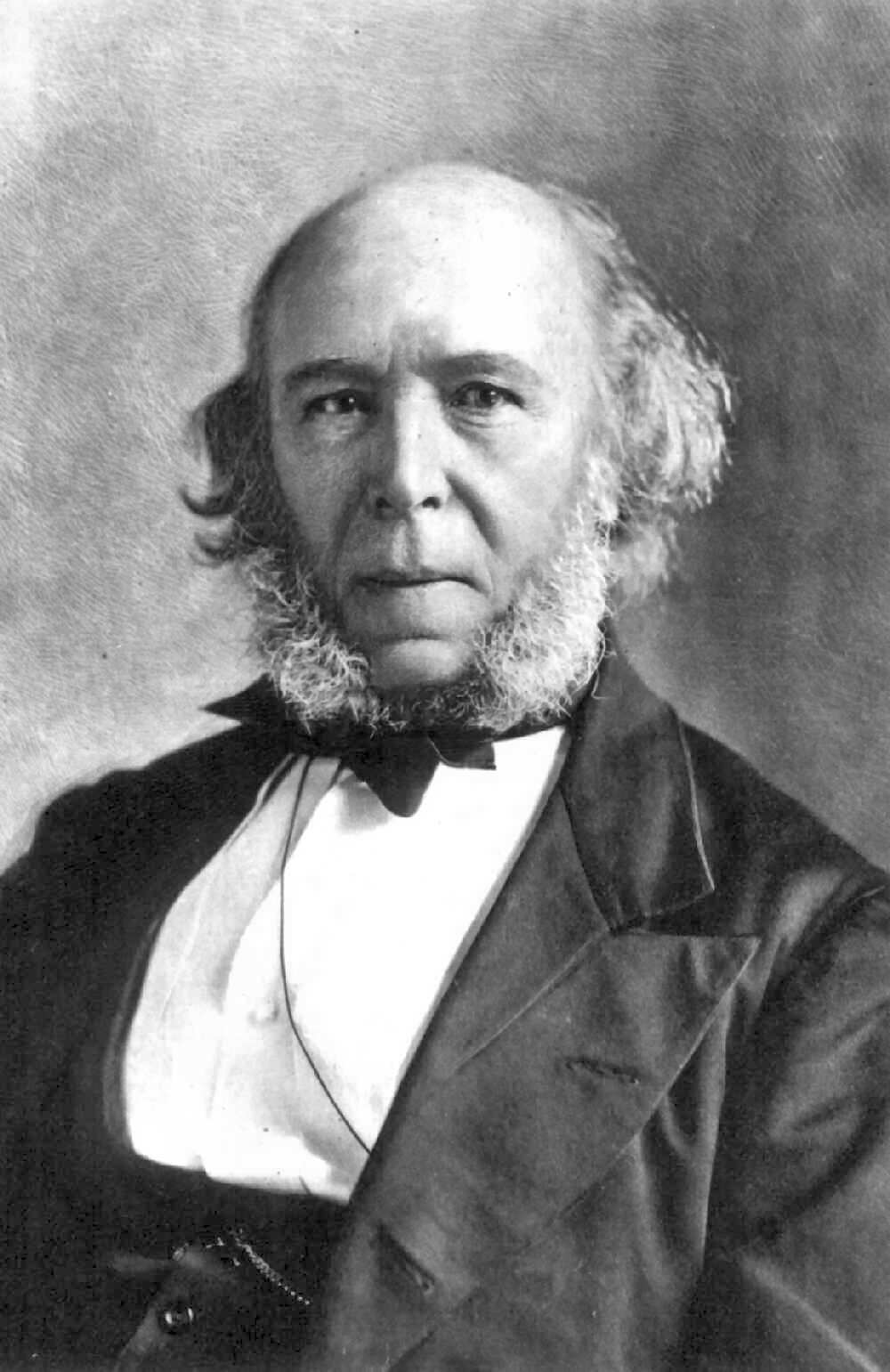
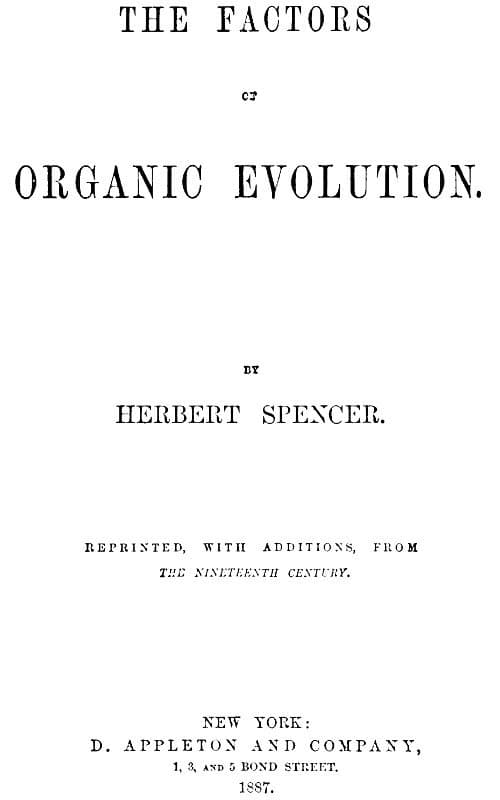
Herbert Spencer was publishing evolutionary theories before Darwin's Origin of Species, and this volume - part of his ambitious Synthetic Philosophy - shows where those ideas led. In The Principles of Biology, Volume 2, Spencer applies his mechanistic framework to the fundamental question of how life progresses: organisms adapt their internal relations to external conditions, and those that succeed in this adaptation survive while others fade. The text moves through morphology and physiology, examining how structure enables function, and how the interplay between the two drives organic change. Written in dense, methodical Victorian prose, it demands patience, but it offers something rare: a window into the mind of one of the architects of modern evolutionary thought, working out his ideas in real time. This is not a textbook you would read for modern biology. It is a historical document that reveals how a brilliant, ambitious thinker attempted to synthesize all knowledge into a single coherent system of progress. For readers interested in the history of science, Victorian intellectual culture, or the intellectual context that made Darwin's revolution possible, this remains a fascinating artifact.
Editions
Link to this book
Add a free, dofollow link to Lex on your blog, forum, syllabus, or reading list.

<a href="https://lex-books.com/book/the-principles-of-biology-volume-2-of-2-1909437b-b2a3-4123-af51-ae3519319712"><img src="https://lex-books.com/badges/read-on-lex.svg" alt="Read The Principles of Biology, Volume 2 (of 2) by Herbert Spencer free on Lex" width="160" height="40"></a>[](https://lex-books.com/book/the-principles-of-biology-volume-2-of-2-1909437b-b2a3-4123-af51-ae3519319712)[url=https://lex-books.com/book/the-principles-of-biology-volume-2-of-2-1909437b-b2a3-4123-af51-ae3519319712][img]https://lex-books.com/badges/read-on-lex.svg[/img][/url]Read The Principles of Biology, Volume 2 (of 2) by Herbert Spencer free on Lex: https://lex-books.com/book/the-principles-of-biology-volume-2-of-2-1909437b-b2a3-4123-af51-ae3519319712Cite this book
Reading this edition for a paper or guide? Copy a citation.
Spencer, Herbert. The Principles of Biology, Volume 2 (of 2). Lex, lex-books.com/book/the-principles-of-biology-volume-2-of-2-1909437b-b2a3-4123-af51-ae3519319712.Spencer, H. (1867). The Principles of Biology, Volume 2 (of 2). Lex. https://lex-books.com/book/the-principles-of-biology-volume-2-of-2-1909437b-b2a3-4123-af51-ae3519319712Spencer, Herbert. The Principles of Biology, Volume 2 (of 2). Lex. https://lex-books.com/book/the-principles-of-biology-volume-2-of-2-1909437b-b2a3-4123-af51-ae3519319712.