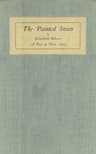
The Painted Swan: A Play in Three Acts

At its heart, this is a play about what happens when virtue becomes a cage. Ann, the "painted swan" of the title, moves through the halls of Candover Hall surrounded by admirers who celebrate her goodness yet seem faintly unnerved by it. Her marriage to Ninian carries undercurrents of discord that the opening act carefully unveils. We meet her surrounded by extended family and friends whose witty banter reveals a troubling truth: Ann's self-sacrificing nature has made her both beloved and slightly terrifying, a woman whose virtue seems less like kindness and more like a quiet defiance of everything the world expects. Bibesco, writing in the early twentieth century, probes the psychological undertones of moral goodness with surprising sharpness. What does it mean to be good? Is kindness strength or weakness? And what does society really want from its saints? These questions simmer beneath the polished surface of aristocratic conversation, making this a drama less about dramatic events and more about the quiet devastation of a life lived for others.
Editions
Link to this book
Add a free, dofollow link to Lex on your blog, forum, syllabus, or reading list.

<a href="https://lex-books.com/book/the-painted-swan-a-play-in-three-acts-443ed737-0209-448e-a7e5-18d23bb2d671"><img src="https://lex-books.com/badges/read-on-lex.svg" alt="Read The Painted Swan: A Play in Three Acts by Elizabeth Bibesco free on Lex" width="160" height="40"></a>[](https://lex-books.com/book/the-painted-swan-a-play-in-three-acts-443ed737-0209-448e-a7e5-18d23bb2d671)[url=https://lex-books.com/book/the-painted-swan-a-play-in-three-acts-443ed737-0209-448e-a7e5-18d23bb2d671][img]https://lex-books.com/badges/read-on-lex.svg[/img][/url]Read The Painted Swan: A Play in Three Acts by Elizabeth Bibesco free on Lex: https://lex-books.com/book/the-painted-swan-a-play-in-three-acts-443ed737-0209-448e-a7e5-18d23bb2d671Cite this book
Reading this edition for a paper or guide? Copy a citation.
Bibesco, Elizabeth. The Painted Swan: A Play in Three Acts. Lex, lex-books.com/book/the-painted-swan-a-play-in-three-acts-443ed737-0209-448e-a7e5-18d23bb2d671.Bibesco, E. (n.d.). The Painted Swan: A Play in Three Acts. Lex. https://lex-books.com/book/the-painted-swan-a-play-in-three-acts-443ed737-0209-448e-a7e5-18d23bb2d671Bibesco, Elizabeth. The Painted Swan: A Play in Three Acts. Lex. https://lex-books.com/book/the-painted-swan-a-play-in-three-acts-443ed737-0209-448e-a7e5-18d23bb2d671.