The Mother
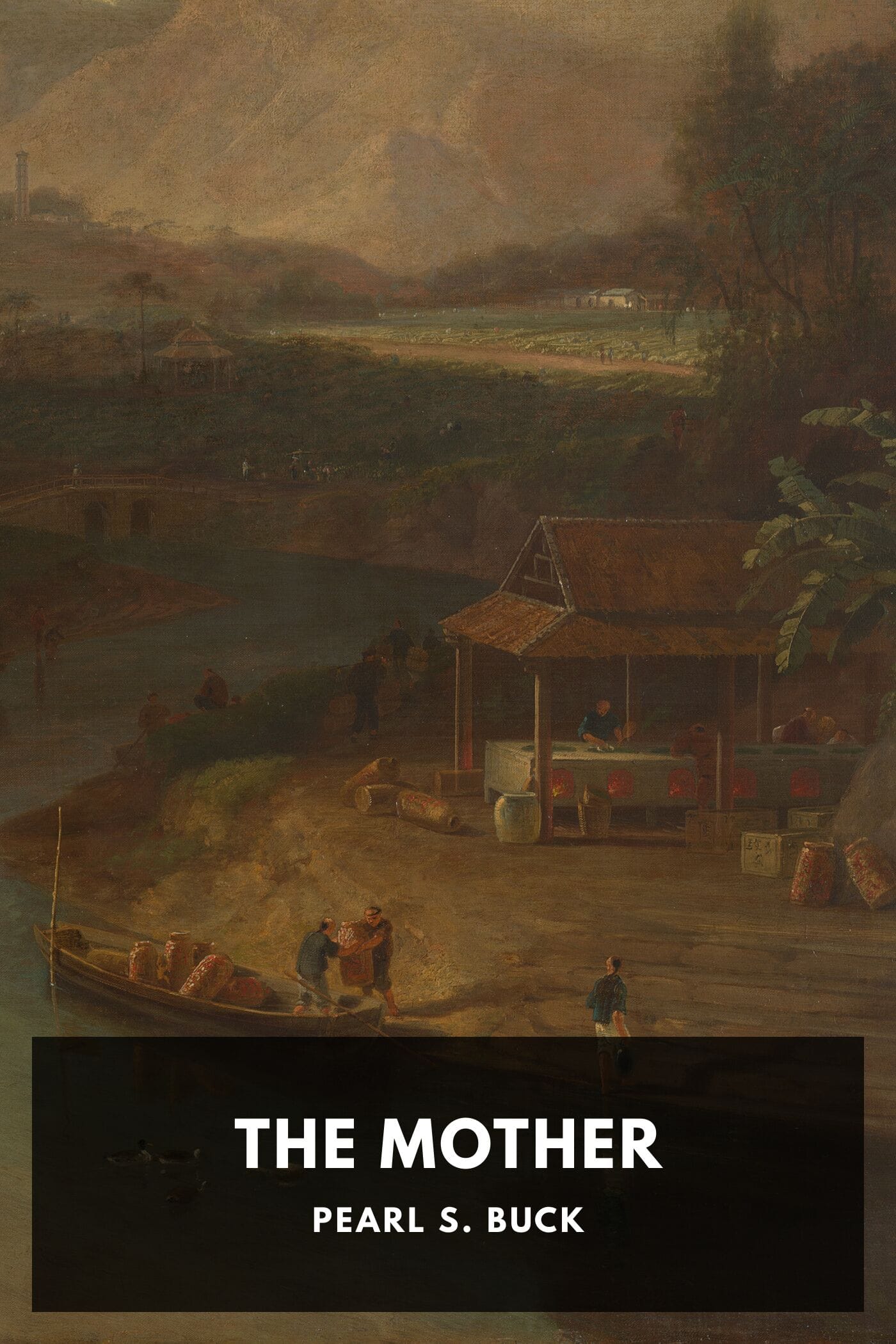
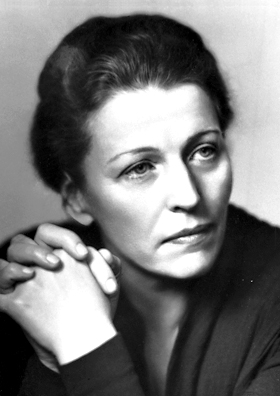
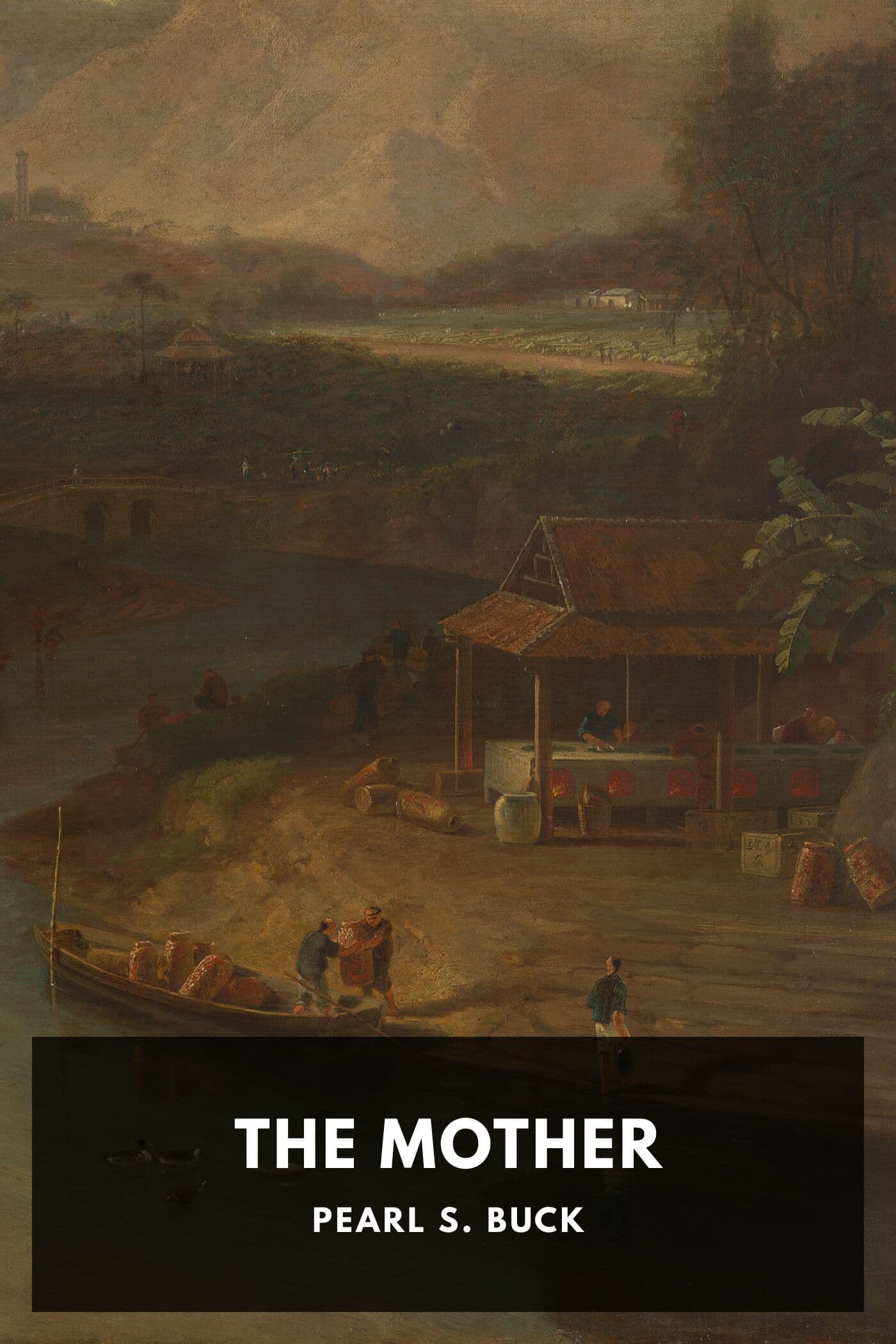
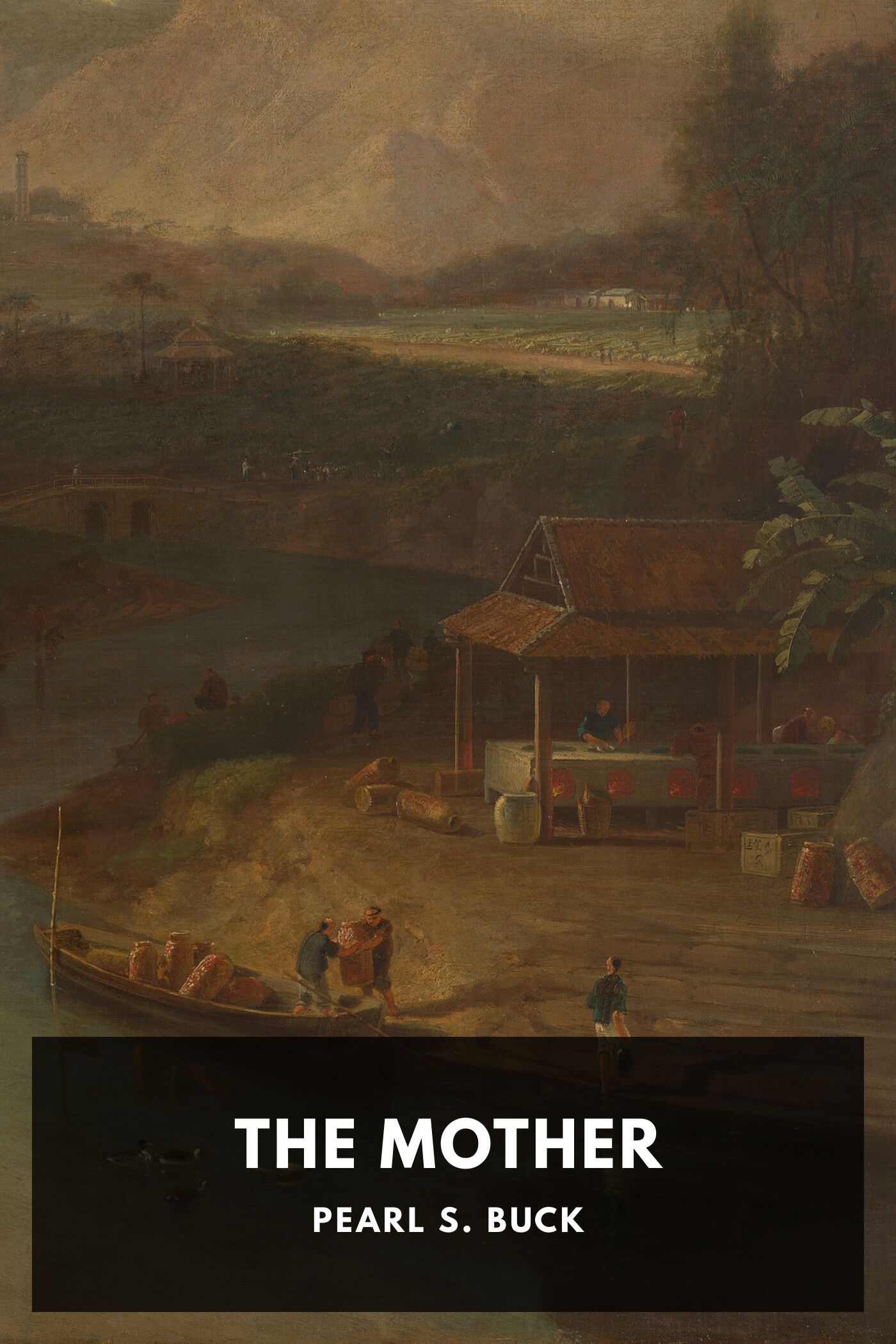
In Pearl S. Buck's poignant novel, we are introduced to a nameless mother in a rural Chinese farming village, whose life is a relentless cycle of toil, child-rearing, and unwavering devotion to her family and the land that sustains them. Her existence, marked by the rhythms of nature and the demands of subsistence, is upended by a devastating betrayal: her husband abandons her for another woman. Left to navigate the crushing weight of societal shame and the immense burden of raising her children alone, she makes an impossible choice, concealing the truth of his desertion to protect her family's honor and future. This act of profound sacrifice sets the stage for a lifetime of quiet resilience, as she struggles against poverty, the judgment of her community, and the ever-present threat of famine, all while upholding the illusion of a complete family. Buck, a Nobel laureate, strips away sentimentality to present a stark, unvarnished portrait of maternal strength and the indomitable human spirit in the face of adversity. Published shortly after her Pulitzer-winning *The Good Earth*, *The Mother* echoes its predecessor's deep empathy for the Chinese peasantry but sharpens its focus on the singular, often invisible, struggles of women. It's a testament to the quiet heroism found in everyday survival, a profound exploration of duty, sacrifice, and the enduring power of a mother's love, rendered with Buck's characteristic clarity and profound understanding of the human condition. This isn't just a story of a woman; it's an elegy for the countless unsung mothers who build worlds from dust.
Editions
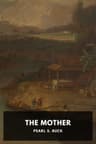
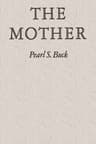
Link to this book
Add a free, dofollow link to Lex on your blog, forum, syllabus, or reading list.

<a href="https://lex-books.com/book/the-mother-3a9c3a4d-a65a-44bb-bf2f-6f7358e57e25"><img src="https://lex-books.com/badges/read-on-lex.svg" alt="Read The Mother by Pearl S. Buck free on Lex" width="160" height="40"></a>[](https://lex-books.com/book/the-mother-3a9c3a4d-a65a-44bb-bf2f-6f7358e57e25)[url=https://lex-books.com/book/the-mother-3a9c3a4d-a65a-44bb-bf2f-6f7358e57e25][img]https://lex-books.com/badges/read-on-lex.svg[/img][/url]Read The Mother by Pearl S. Buck free on Lex: https://lex-books.com/book/the-mother-3a9c3a4d-a65a-44bb-bf2f-6f7358e57e25Cite this book
Reading this edition for a paper or guide? Copy a citation.
Buck, Pearl S.. The Mother. Lex, lex-books.com/book/the-mother-3a9c3a4d-a65a-44bb-bf2f-6f7358e57e25.Buck, P. S. (n.d.). The Mother. Lex. https://lex-books.com/book/the-mother-3a9c3a4d-a65a-44bb-bf2f-6f7358e57e25Buck, Pearl S.. The Mother. Lex. https://lex-books.com/book/the-mother-3a9c3a4d-a65a-44bb-bf2f-6f7358e57e25.