
Pearl S. Buck
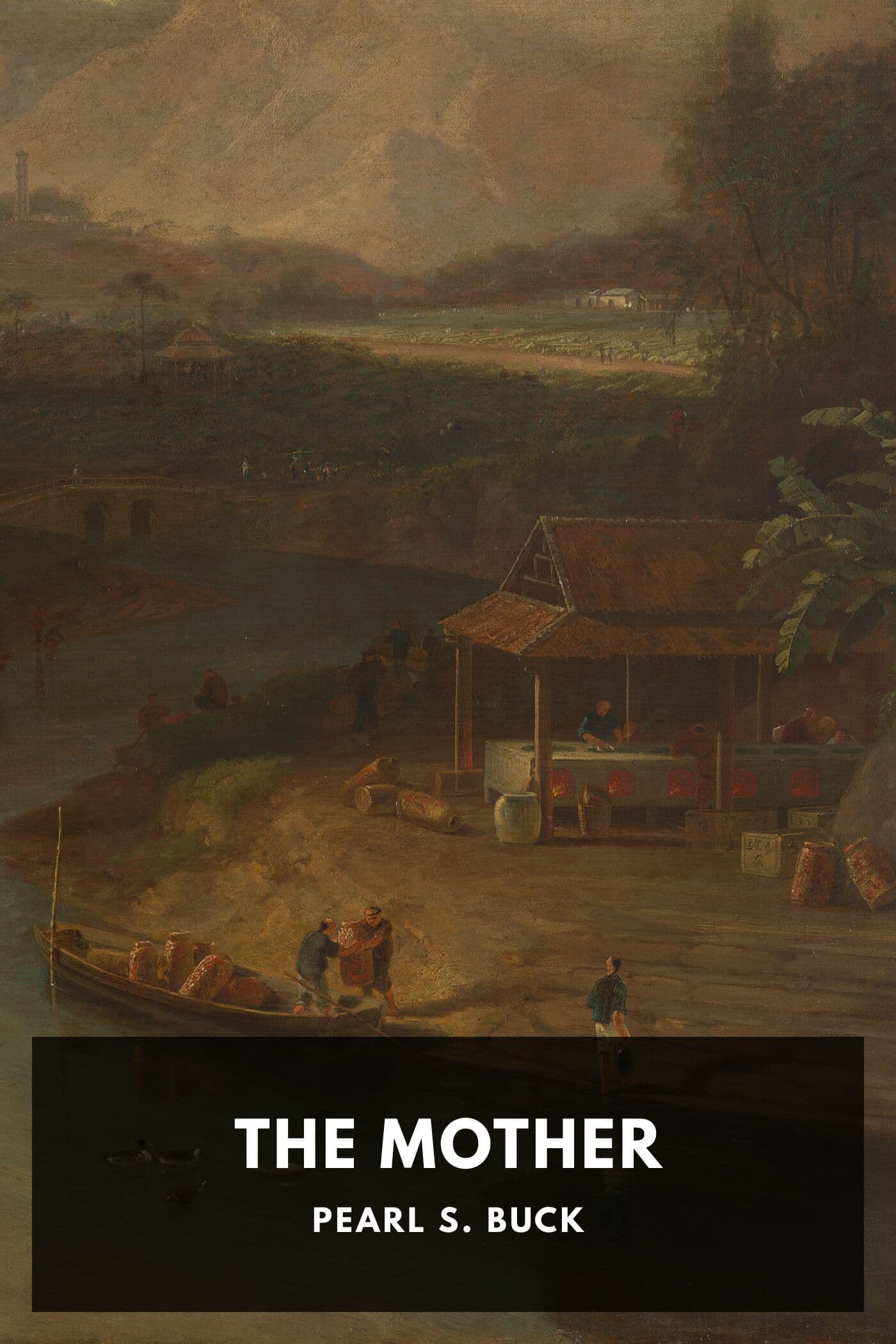
Pearl S. Buck was an American novelist and humanitarian, best known for her rich portrayals of Chinese culture and her advocacy for social justice. Born in West Virginia to missionary parents, Buck spent much of her early life in China, which profoundly influenced her literary voice. Her experiences in the East shaped her worldview and provided the backdrop for her most celebrated work, 'The Good Earth,' published in 1931. This novel, which won the Pulitzer Prize, explores the life of a Chinese farmer and his family, highlighting themes of poverty, resilience, and the connection to the land. It was groundbreaking in its sympathetic portrayal of Chinese life at a time when Western literature often depicted the East in a more exotic and superficial manner. Beyond her fiction, Buck was a passionate advocate for social issues, including women's rights and racial equality. She was the first American woman to win the Nobel Prize in Literature in 1938, recognized for her ability to convey the complexity of human experience across cultural boundaries. Her legacy extends beyond her literary achievements; she founded the Pearl S. Buck Foundation, which aimed to improve the lives of children in need, particularly those of mixed heritage. Buck's work continues to be celebrated for its empathy and depth, making her a significant figure in American literature and humanitarian efforts.
Famous Quotes
View all 20 quotes“Many people lose the small joys in the hope for the big happiness.””
“You cannot make yourself feel something you do not feel, but you can make yourself do right in spite of your feelings.””
“The truly creative mind in any field is no more than this: A human creature born abnormally, inhumanly sensitive. To him... a touch is a blow, a sound is a noise, a misfortune is a tragedy, a joy is an ecstasy, a friend is a lover, a lover is a god, and failure is death. Add to this cruelly delicate organism the overpowering necessity to create, create, create -- so thatwithout the creating of music or poetry or books or buildings or something of meaning, his very breath is cut off from him. He must create, must pour out creation. By some strange, unknown, inward urgency he is not really alive unless he is creating.””
Books from the author







Link to this page
Add a free, dofollow link to Lex on your blog, forum, syllabus, or reading list.

<a href="https://lex-books.com/author/pearl-s-buck"><img src="https://lex-books.com/badges/read-on-lex.svg" alt="Pearl S. Buck on Lex" width="160" height="40"></a>[](https://lex-books.com/author/pearl-s-buck)[url=https://lex-books.com/author/pearl-s-buck][img]https://lex-books.com/badges/read-on-lex.svg[/img][/url]Pearl S. Buck on Lex: https://lex-books.com/author/pearl-s-buck