The Mirror of Kong Ho
1905
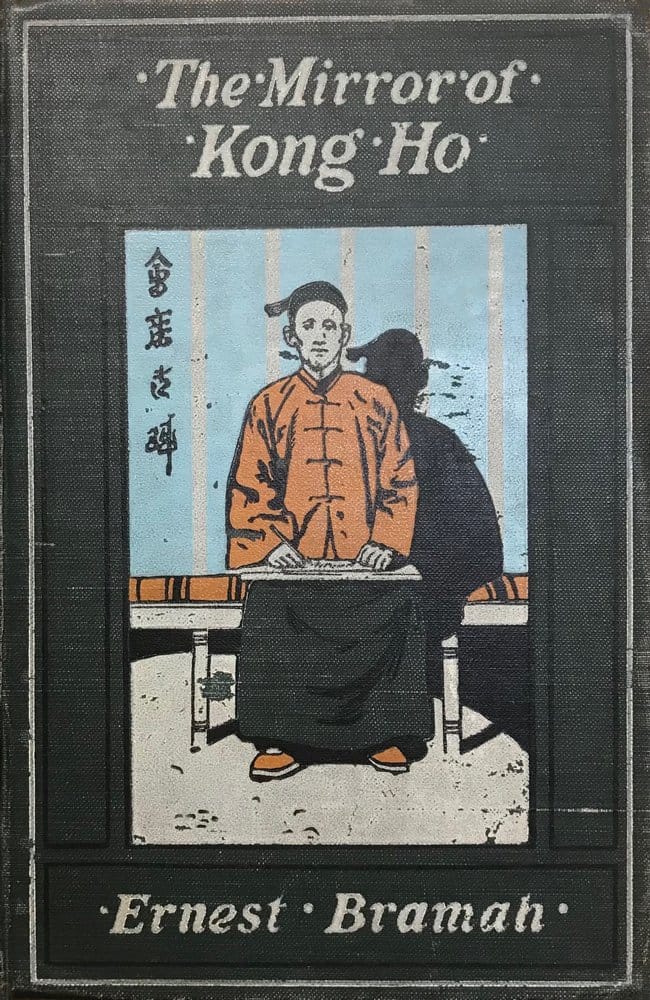
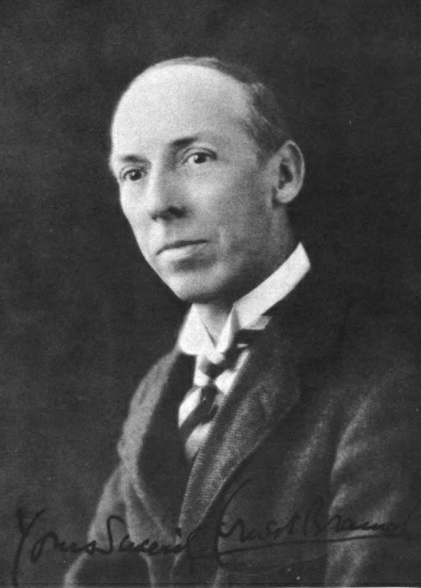
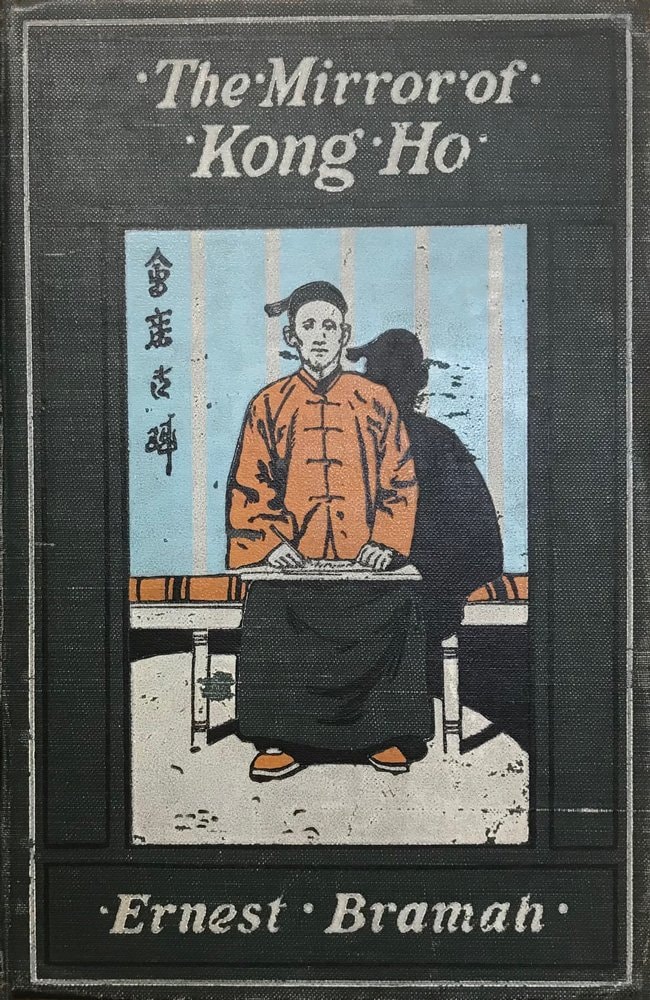
A Chinese gentleman named Kong Ho arrives in Edwardian London and sends letters home to his family in China, and what he reports is devastating. To his eyes, the English are barbarians: they eat with their hands, travel in «devil carriages» powered by «unlawful demons,» and seem barely removed from savagery. His observations are delivered with impeccable politeness and devastating precision. In one letter, he ponders why Westerners insist on torturing their food with «cooking ceremonies» when simple rice would suffice. In another, he analyzes the piano as an instrument of social torture. His merchant friend Jones Bob-Jones becomes an endless source of bewilderment. The brilliance of Bramah's 1905 novel lies in its frame: we are reading correspondence, which means Kong Ho never breaks character. His earnest confusion is the trap that catches everything. What emerges is not just a funny book about cultural collision, but a sharp critique of Western self-regard, delivered by someone who simply cannot understand why anyone would do anything so peculiar. The satire cuts both ways, but it's always affectionate, always observant, and impossibly funny.
Editions
Link to this book
Add a free, dofollow link to Lex on your blog, forum, syllabus, or reading list.

<a href="https://lex-books.com/book/the-mirror-of-kong-ho-4ac9abbb-37ec-4334-aae4-e42f4238fe7d"><img src="https://lex-books.com/badges/read-on-lex.svg" alt="Read The Mirror of Kong Ho by Ernest Bramah free on Lex" width="160" height="40"></a>[](https://lex-books.com/book/the-mirror-of-kong-ho-4ac9abbb-37ec-4334-aae4-e42f4238fe7d)[url=https://lex-books.com/book/the-mirror-of-kong-ho-4ac9abbb-37ec-4334-aae4-e42f4238fe7d][img]https://lex-books.com/badges/read-on-lex.svg[/img][/url]Read The Mirror of Kong Ho by Ernest Bramah free on Lex: https://lex-books.com/book/the-mirror-of-kong-ho-4ac9abbb-37ec-4334-aae4-e42f4238fe7dCite this book
Reading this edition for a paper or guide? Copy a citation.
Bramah, Ernest. The Mirror of Kong Ho. Lex, lex-books.com/book/the-mirror-of-kong-ho-4ac9abbb-37ec-4334-aae4-e42f4238fe7d.Bramah, E. (1905). The Mirror of Kong Ho. Lex. https://lex-books.com/book/the-mirror-of-kong-ho-4ac9abbb-37ec-4334-aae4-e42f4238fe7dBramah, Ernest. The Mirror of Kong Ho. Lex. https://lex-books.com/book/the-mirror-of-kong-ho-4ac9abbb-37ec-4334-aae4-e42f4238fe7d.