The Man of the World (1792)
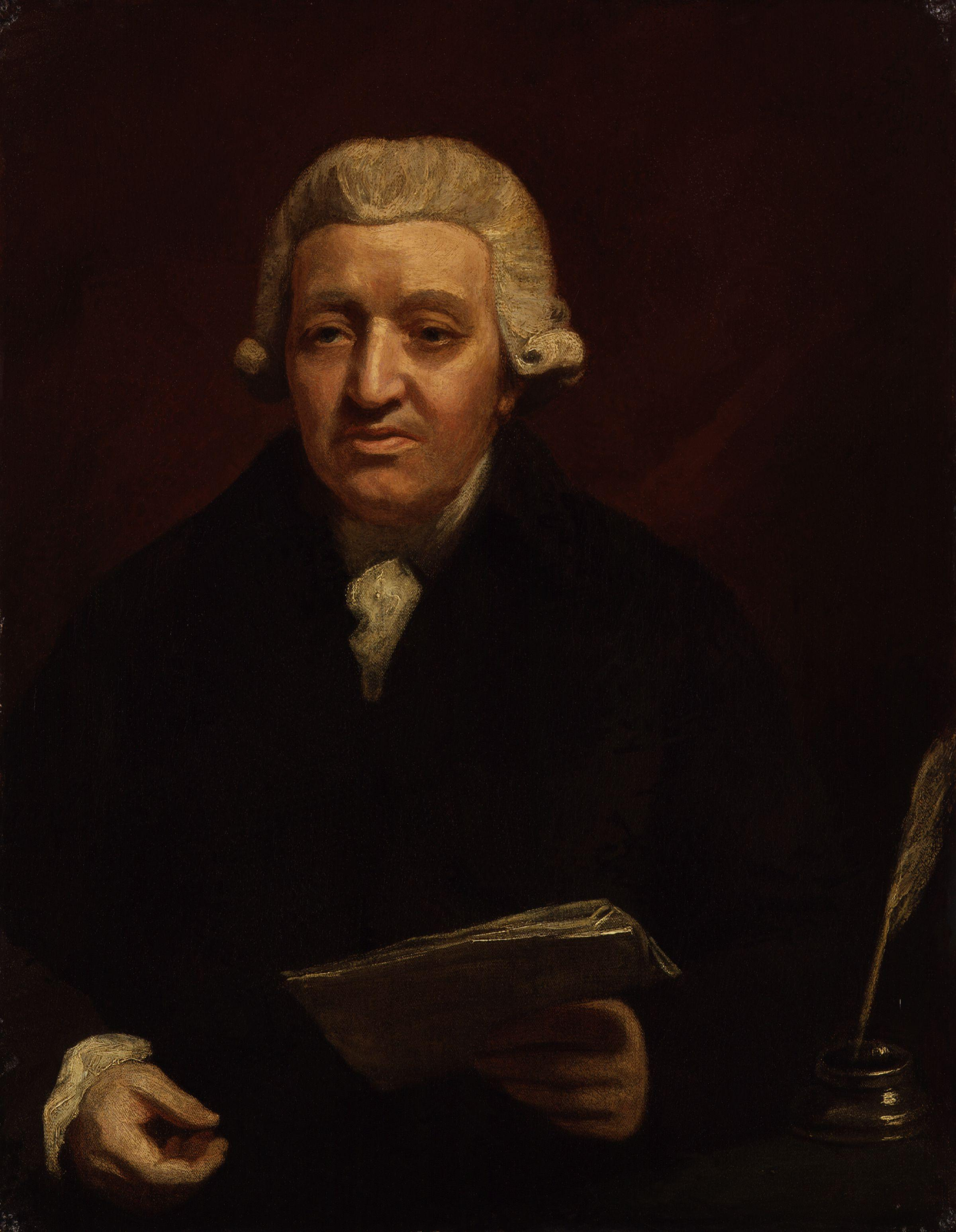
Charles Macklin's biting comedy dissects the marriage market of the late eighteenth century with surgical precision. At its center stands Sir Pertinax Macsycophant, a name that drips with irony: a man who has mastered the art of social climbing through calculated flattery and strategic maneuvering. He has raised his son Charles to believe that marriage is pure economics, dispatching the young man to woo the wealthy Lady Rodolpha Lumbercourt regardless of love. But Charles has already fallen for Constantia, an orphaned dependent raised in the household, a woman with neither dowry nor connections but possessing something far more dangerous: his genuine affection. The servants' gossip weaves through the household like a Greek chorus, observing their masters' affairs with knowing amusement while the play interrogates what it means to sell oneself to society versus following one's conscience. Macklin, writing in his eighties, delivers a play that feels startlingly contemporary in its exposure of how families exploit the vulnerable and how love becomes currency in a world that prizes status above all.
Editions
Link to this book
Add a free, dofollow link to Lex on your blog, forum, syllabus, or reading list.

<a href="https://lex-books.com/book/the-man-of-the-world-1792-04f87790-7302-4515-98d8-054b13c1ee39"><img src="https://lex-books.com/badges/read-on-lex.svg" alt="Read The Man of the World (1792) by Charles Macklin free on Lex" width="160" height="40"></a>[](https://lex-books.com/book/the-man-of-the-world-1792-04f87790-7302-4515-98d8-054b13c1ee39)[url=https://lex-books.com/book/the-man-of-the-world-1792-04f87790-7302-4515-98d8-054b13c1ee39][img]https://lex-books.com/badges/read-on-lex.svg[/img][/url]Read The Man of the World (1792) by Charles Macklin free on Lex: https://lex-books.com/book/the-man-of-the-world-1792-04f87790-7302-4515-98d8-054b13c1ee39Cite this book
Reading this edition for a paper or guide? Copy a citation.
Macklin, Charles. The Man of the World (1792). Lex, lex-books.com/book/the-man-of-the-world-1792-04f87790-7302-4515-98d8-054b13c1ee39.Macklin, C. (n.d.). The Man of the World (1792). Lex. https://lex-books.com/book/the-man-of-the-world-1792-04f87790-7302-4515-98d8-054b13c1ee39Macklin, Charles. The Man of the World (1792). Lex. https://lex-books.com/book/the-man-of-the-world-1792-04f87790-7302-4515-98d8-054b13c1ee39.