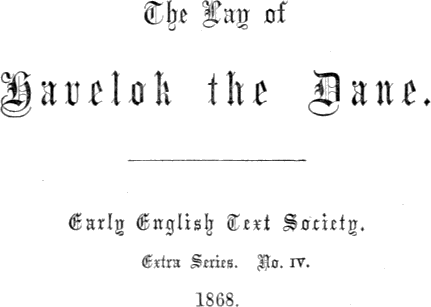
The Lay of Havelok the Dane
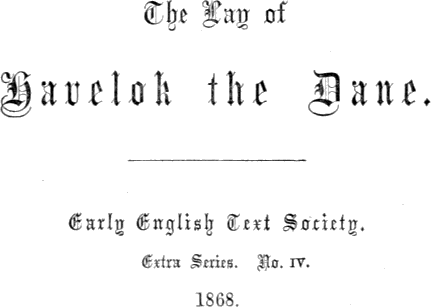
A forgotten prince. A murderous uncle. And the fisherman who saw a miraculous light glowing from a sleeping child and chose to save him instead. The Lay of Havelok the Dane is one of the earliest surviving English romances, composed in the late 13th century during the reign of Edward I. The story begins with treachery: King Gunter of Denmark is murdered by his own brother Godard, who hires the fisherman Grim to drown the infant prince. But when Grim sees a supernatural radiance emanating from the sleeping child, he cannot go through with it. He takes the boy to England instead, raising him among his own family. What follows is a tale of hidden identity, extraordinary strength, and destined love. Havelok grows into the most powerful man in the kingdom, his royal nature suppressed but never extinguished. The poem builds toward his reclamation of the Danish throne and the winning of his queen, all while exploring what it means for worth to remain hidden and eventually shine forth. For lovers of medieval romance, early English literature, and the ancient archetype of the displaced heir who rises to claim his birthright, this poem offers raw, vigorous storytelling that laid the groundwork for everything that came after.
Editions

Link to this book
Add a free, dofollow link to Lex on your blog, forum, syllabus, or reading list.

<a href="https://lex-books.com/book/the-lay-of-havelok-the-dane-acbfa113-8f63-43ab-9eed-0a1cd0eafa60"><img src="https://lex-books.com/badges/read-on-lex.svg" alt="Read The Lay of Havelok the Dane by Unknown free on Lex" width="160" height="40"></a>[](https://lex-books.com/book/the-lay-of-havelok-the-dane-acbfa113-8f63-43ab-9eed-0a1cd0eafa60)[url=https://lex-books.com/book/the-lay-of-havelok-the-dane-acbfa113-8f63-43ab-9eed-0a1cd0eafa60][img]https://lex-books.com/badges/read-on-lex.svg[/img][/url]Read The Lay of Havelok the Dane by Unknown free on Lex: https://lex-books.com/book/the-lay-of-havelok-the-dane-acbfa113-8f63-43ab-9eed-0a1cd0eafa60Cite this book
Reading this edition for a paper or guide? Copy a citation.
Unknown. The Lay of Havelok the Dane. Lex, lex-books.com/book/the-lay-of-havelok-the-dane-acbfa113-8f63-43ab-9eed-0a1cd0eafa60.Unknown (n.d.). The Lay of Havelok the Dane. Lex. https://lex-books.com/book/the-lay-of-havelok-the-dane-acbfa113-8f63-43ab-9eed-0a1cd0eafa60Unknown. The Lay of Havelok the Dane. Lex. https://lex-books.com/book/the-lay-of-havelok-the-dane-acbfa113-8f63-43ab-9eed-0a1cd0eafa60.