The Lame Lover: A Comedy in Three Acts
1770
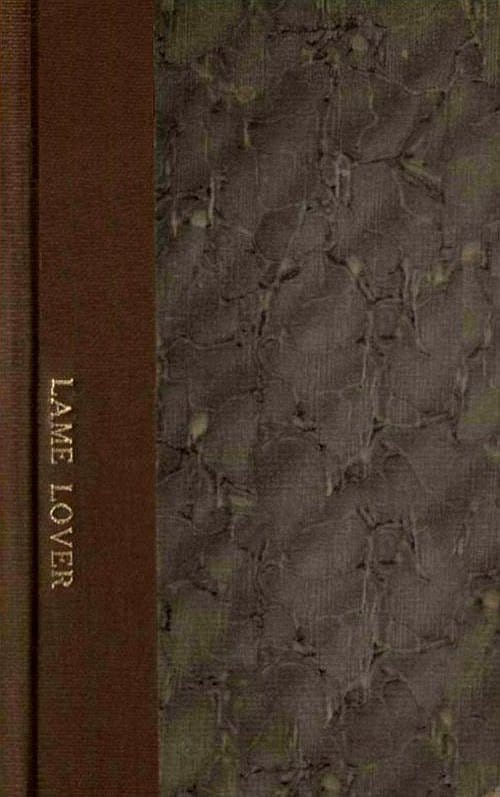
The Lame Lover: A Comedy in Three Acts
1770
Samuel Foote wrote this comedy while recovering from the amputation of his own leg following a riding accident, and that biographical fact gives the work an unexpected depth. Sir Luke Limp is no pitiable figure, he takes perverse pride in his wooden leg, wielding it almost as a badge of distinction that he believes elevates him above the able-bodied drones of society. When romantic entanglements ensue, Foote turns his sharp satirical eye on the absurdities of courtship, the pretensions of social climbers, and the brittle hierarchies of Georgian England. Characters like the ambitious Serjeant Circuit and his wife navigate a world where reputation is currency and every smile conceals calculation. The dialogue crackles with wit, but beneath the levity lies something more interesting: a play that interrogates how society defines worth and what it means to transform a physical difference into an advantage. This is Georgian comedy with an edge, less frothy than its contemporaries, more interested in exposing the follies of social ambition than in mere entertainment.
Editions
Link to this book
Add a free, dofollow link to Lex on your blog, forum, syllabus, or reading list.

<a href="https://lex-books.com/book/the-lame-lover-a-comedy-in-three-acts-5a4f70e0-5444-469e-8dd3-df2946e007bd"><img src="https://lex-books.com/badges/read-on-lex.svg" alt="Read The Lame Lover: A Comedy in Three Acts by Samuel Foote free on Lex" width="160" height="40"></a>[](https://lex-books.com/book/the-lame-lover-a-comedy-in-three-acts-5a4f70e0-5444-469e-8dd3-df2946e007bd)[url=https://lex-books.com/book/the-lame-lover-a-comedy-in-three-acts-5a4f70e0-5444-469e-8dd3-df2946e007bd][img]https://lex-books.com/badges/read-on-lex.svg[/img][/url]Read The Lame Lover: A Comedy in Three Acts by Samuel Foote free on Lex: https://lex-books.com/book/the-lame-lover-a-comedy-in-three-acts-5a4f70e0-5444-469e-8dd3-df2946e007bdCite this book
Reading this edition for a paper or guide? Copy a citation.
Foote, Samuel. The Lame Lover: A Comedy in Three Acts. Lex, lex-books.com/book/the-lame-lover-a-comedy-in-three-acts-5a4f70e0-5444-469e-8dd3-df2946e007bd.Foote, S. (1770). The Lame Lover: A Comedy in Three Acts. Lex. https://lex-books.com/book/the-lame-lover-a-comedy-in-three-acts-5a4f70e0-5444-469e-8dd3-df2946e007bdFoote, Samuel. The Lame Lover: A Comedy in Three Acts. Lex. https://lex-books.com/book/the-lame-lover-a-comedy-in-three-acts-5a4f70e0-5444-469e-8dd3-df2946e007bd.