The Lady of the Lake
1810
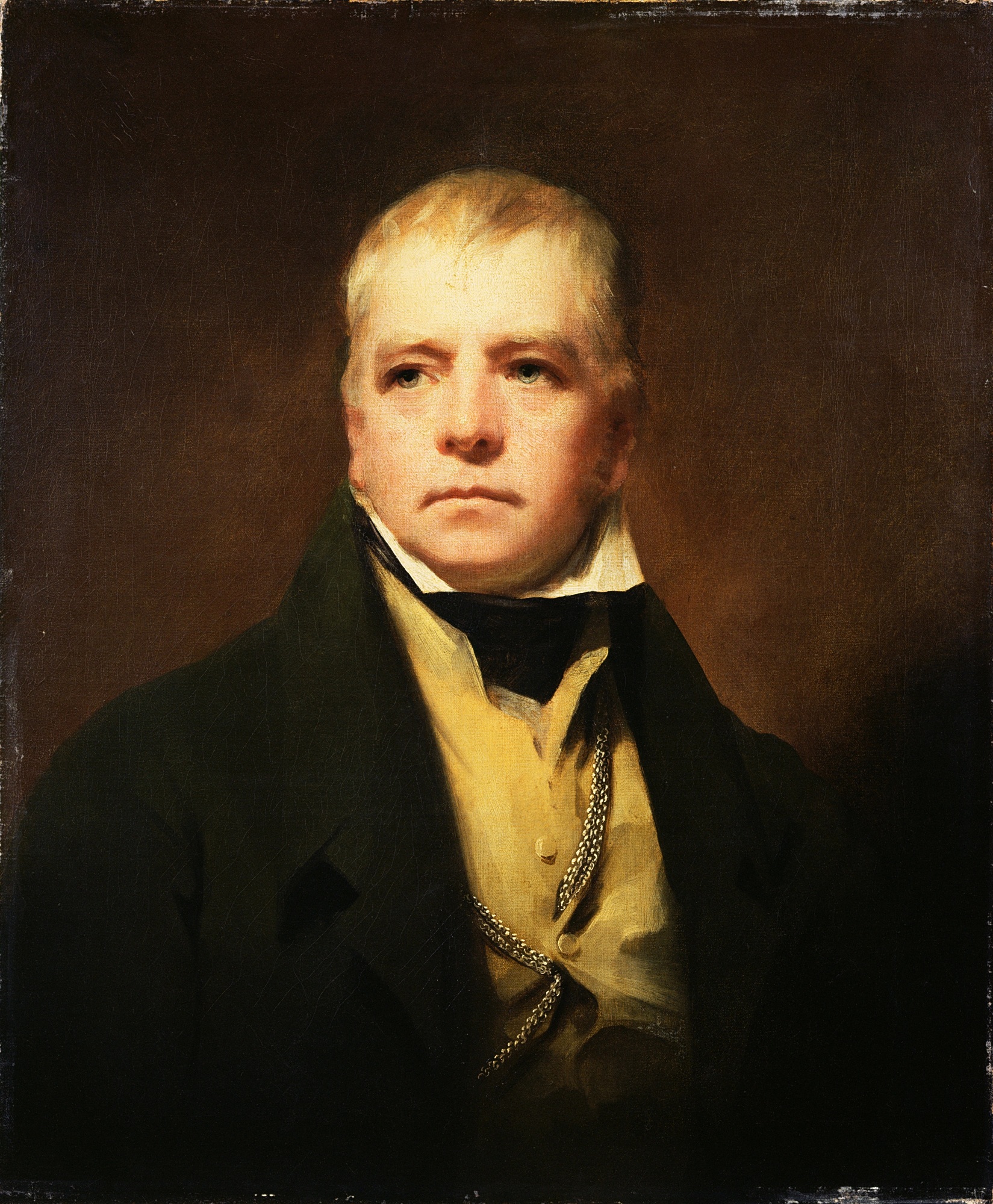
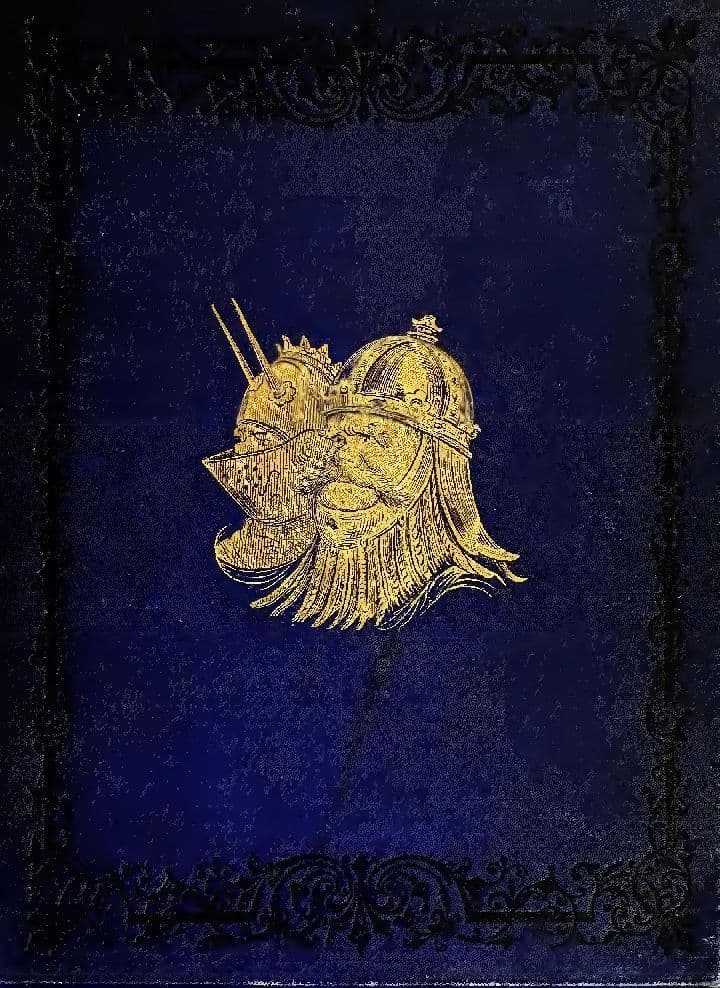
The most celebrated narrative poem of the Romantic era, The Lady of the Lake swept both Britain and America off their feet in 1810 and essentially invented the historical romance as we know it. Walter Scott immerses readers in the misty Highlands around Loch Katrine, where the proud chieftain Sir Roderick Dhu harbors forbidden love for Ellen Douglas, daughter of the disgraced House of Douglas. When the mysterious knight James Fitz-James arrives at the lake's edge, drawn by the hunt and something deeper, he stumbles into a powder keg of clan loyalty, royal ambition, and aching desire. The poem traces how love becomes collateral damage in the bitter war between King James V and the Douglases, forcing Ellen to choose between her heart and her family's honor. Scott's revolutionary gift was making the Scottish past feel visceral and immediate, transforming ancient legend into pulse-quickening drama that still resonates two centuries later. The verse breathes with hunts horn and moonlight on water, with warriors who recite genealogies before drawing steel and women who must sacrifice everything for loyalty's sake.
Editions
X-Ray
“The rose is fairest when 't is budding new,And hope is brightest when it dawns from fears;The rose is sweetest washed with morning dewAnd love is loveliest when embalmed in tears.””
— Walter Scott
“My hope, my heaven, my trust must be,My gentle guide, in following thee.””
— Walter Scott
“so wondrous wild, the whole might seemthe scenery of a fairy dream””
— Walter Scott
“Hail to the Chief who in triumph advances! Honored and blessed be the ever-green Pine!Long may the tree, in his banner that glances, Flourish, the shelter and grace of our line! Heaven send it happy dew, Earth lend it sap anew, Gayly to bourgeon and broadly to grow, While every Highland glen Sends our shout back again, 'Roderigh Vich Alpine dhu, ho! ieroe!””
— Walter Scott
“Sleep the sleep that knows not breaking, Morn of toil nor night of waking.””
— Walter Scott
“Where shall he find, in foreign land,So lone a lake, so sweet a strand!--There is no breeze upon the fern, No ripple on the lake,Upon her eyry nods the erne, The deer has sought the brake;The small birds will not sing aloud, The springing trout lies still,So darkly glooms yon thunder-cloud,That swathes, as with a purple shroud””
— Walter Scott
“Harp of the North, farewell! The hills grow dark, On purple peaks a deeper shade descending;In twilight copse the glow-worm lights her spark, The deer, half seen, are to the covert wending.Resume thy wizard elm! the fountain lending, And the wild breeze, thy wilder minstrelsy;Thy numbers sweet with nature's vespers blending, With distant echo from the fold and lea,And herd-boy's evening pipe, and hum of housing bee.””
— Walter Scott
Link to this book
Add a free, dofollow link to Lex on your blog, forum, syllabus, or reading list.

<a href="https://lex-books.com/book/the-lady-of-the-lake-76962e84-9d71-4896-acc7-22b1074487dd"><img src="https://lex-books.com/badges/read-on-lex.svg" alt="Read The Lady of the Lake by Walter Scott free on Lex" width="160" height="40"></a>[](https://lex-books.com/book/the-lady-of-the-lake-76962e84-9d71-4896-acc7-22b1074487dd)[url=https://lex-books.com/book/the-lady-of-the-lake-76962e84-9d71-4896-acc7-22b1074487dd][img]https://lex-books.com/badges/read-on-lex.svg[/img][/url]Read The Lady of the Lake by Walter Scott free on Lex: https://lex-books.com/book/the-lady-of-the-lake-76962e84-9d71-4896-acc7-22b1074487ddCite this book
Reading this edition for a paper or guide? Copy a citation.
Scott, Walter. The Lady of the Lake. Lex, lex-books.com/book/the-lady-of-the-lake-76962e84-9d71-4896-acc7-22b1074487dd.Scott, W. (1810). The Lady of the Lake. Lex. https://lex-books.com/book/the-lady-of-the-lake-76962e84-9d71-4896-acc7-22b1074487ddScott, Walter. The Lady of the Lake. Lex. https://lex-books.com/book/the-lady-of-the-lake-76962e84-9d71-4896-acc7-22b1074487dd.