The Hunchback
1832
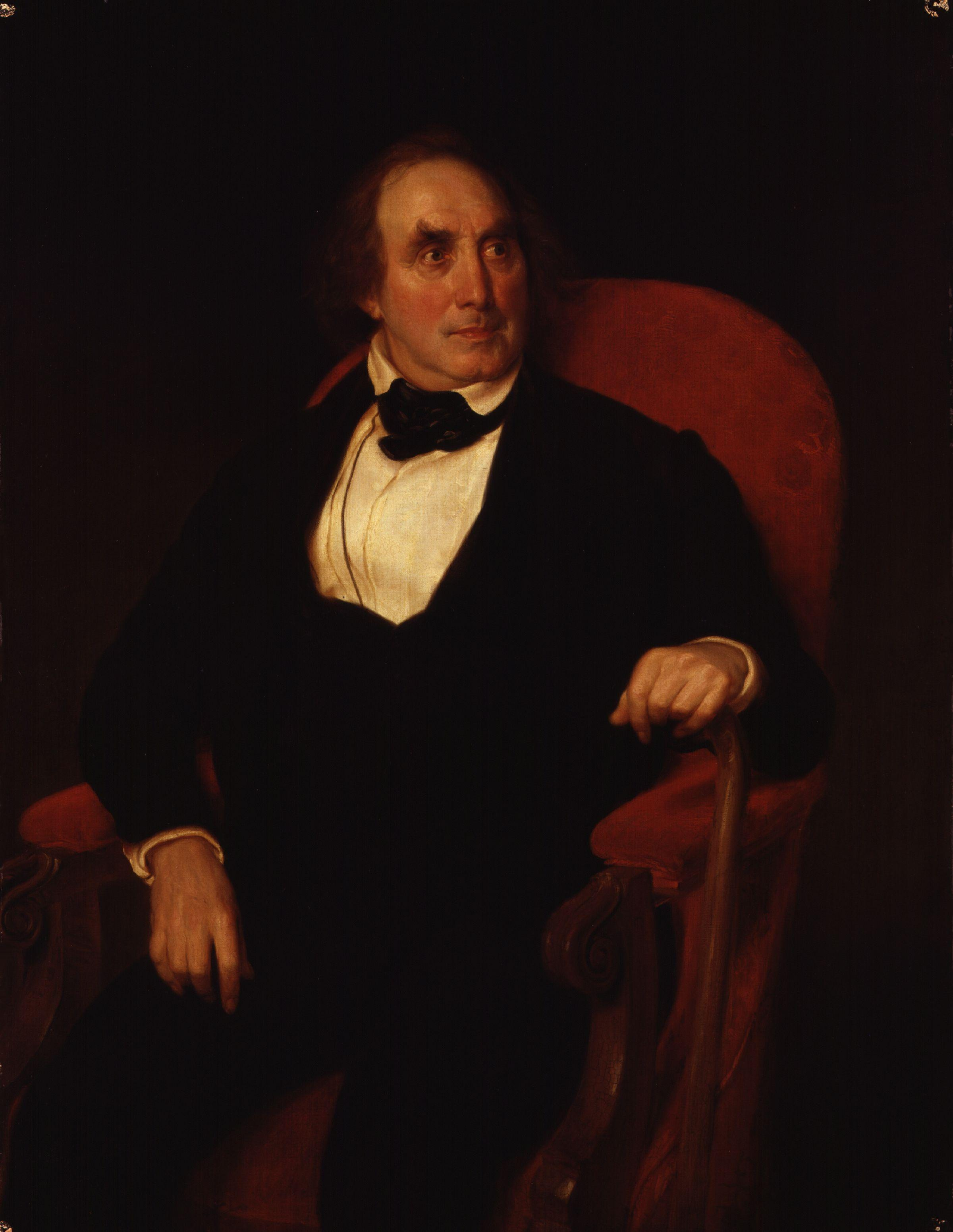
Set in the glittering world of early 19th-century English society, this theatrical gem opens in a lively tavern where ambition and anticipation hang thick in the air. Master Wilford drinks to his impending fortune, expecting to inherit the earldom of Rochdale and all the wealth and status that entails. But into this scene of calculation steps Master Walter, a hunchback whose sharp wit and incisive observations cut through the comfortable delusions of the privileged gathered there. What follows is a witty exploration of pride, prejudice, and the collision between those who have been granted titles and those who have earned them through merit. Knowles, himself a former actor-turned-playwright who became a favorite of the great Edmund Macready, crafts characters who reveal the absurdities of social hierarchy through their desires and deceptions. The titular hunchback is no mere object of pity or comedy; he is the moral compass of the piece, seeing clearly what the beautiful and powerful choose not to recognize. The play interrogates what makes a person worthy of admiration, wealth, or love and whether these can ever be justly earned or only inherited. Its 1832 premiere captured a society grappling with questions of meritocracy that still resonate today.
Editions
Link to this book
Add a free, dofollow link to Lex on your blog, forum, syllabus, or reading list.

<a href="https://lex-books.com/book/the-hunchback-47916a36-fcdb-4189-984d-8f477643073c"><img src="https://lex-books.com/badges/read-on-lex.svg" alt="Read The Hunchback by James Sheridan Knowles free on Lex" width="160" height="40"></a>[](https://lex-books.com/book/the-hunchback-47916a36-fcdb-4189-984d-8f477643073c)[url=https://lex-books.com/book/the-hunchback-47916a36-fcdb-4189-984d-8f477643073c][img]https://lex-books.com/badges/read-on-lex.svg[/img][/url]Read The Hunchback by James Sheridan Knowles free on Lex: https://lex-books.com/book/the-hunchback-47916a36-fcdb-4189-984d-8f477643073cCite this book
Reading this edition for a paper or guide? Copy a citation.
Knowles, James Sheridan. The Hunchback. Lex, lex-books.com/book/the-hunchback-47916a36-fcdb-4189-984d-8f477643073c.Knowles, J. S. (1832). The Hunchback. Lex. https://lex-books.com/book/the-hunchback-47916a36-fcdb-4189-984d-8f477643073cKnowles, James Sheridan. The Hunchback. Lex. https://lex-books.com/book/the-hunchback-47916a36-fcdb-4189-984d-8f477643073c.