The House of Life
1881
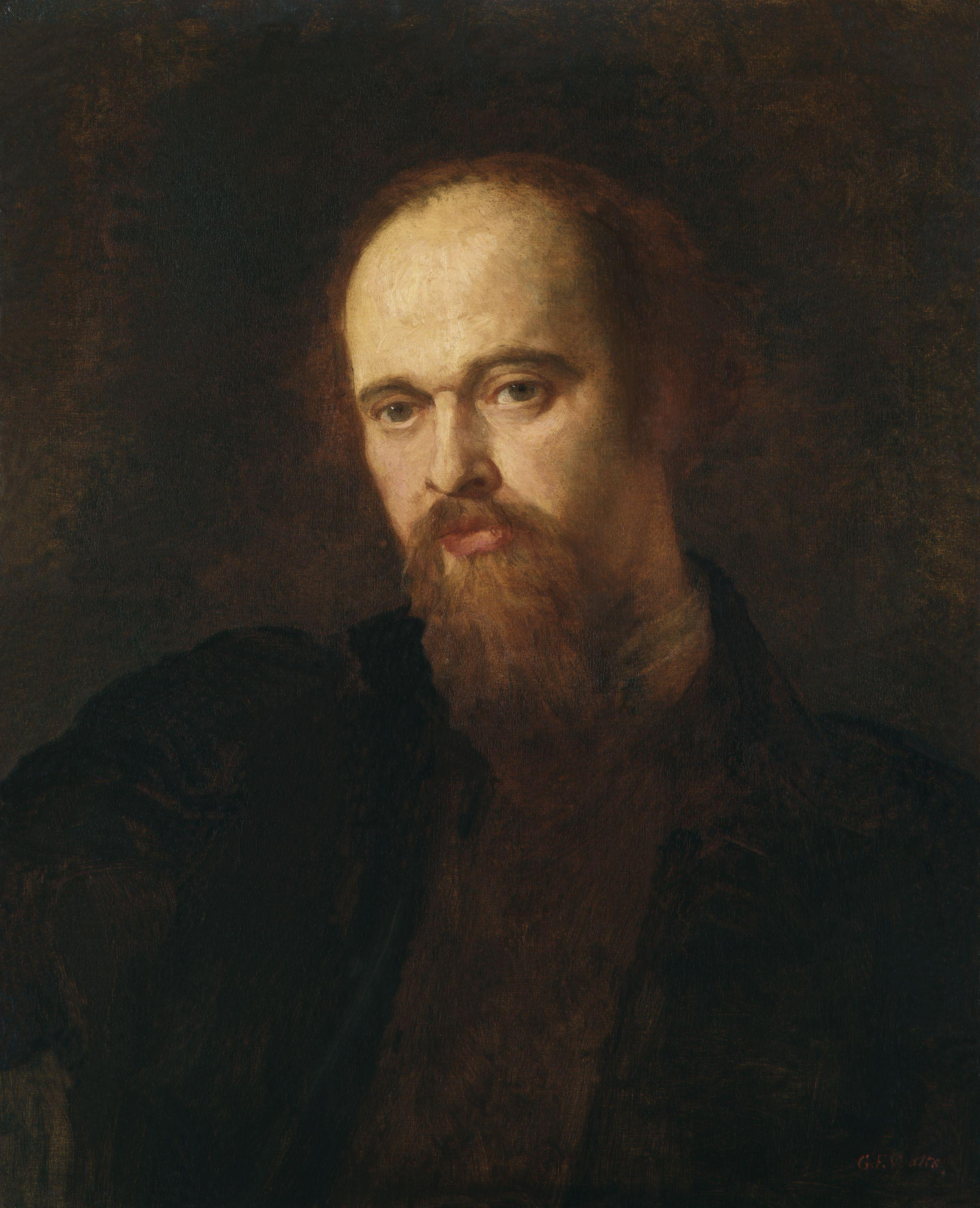
This is a sonnet sequence that made Victorian England gasp. Rossetti's 1881 collection traces the entire arc of love, from the intoxicating first stirrings of desire through the fever of passion to the devastating shadow of loss. Each poem is a painted sonnet, rich with the Pre-Raphaelite sensibility that defined Rossetti's visual art: medieval beauty, drowning colors, women who seem to exist slightly outside of time. The sequence caused outrage upon publication for its unapologetic sensuality, its willingness to treat erotic love as sacred rather than shameful. But the collection's emotional core lies in its later movements, where grief enters like a tide. Written partly in response to his wife Elizabeth Siddal's death, these poems transform sorrow into something almost transcendent. The sonnets move between worlds, the physical and the spiritual, the living and the dead, desire and its aftermath. Rossetti elevates human love to a metaphysical plane without ever losing its mortal heat. This is poetry that insists love, even in its most fleeting form, leaves an imprint on the soul that outlasts death.
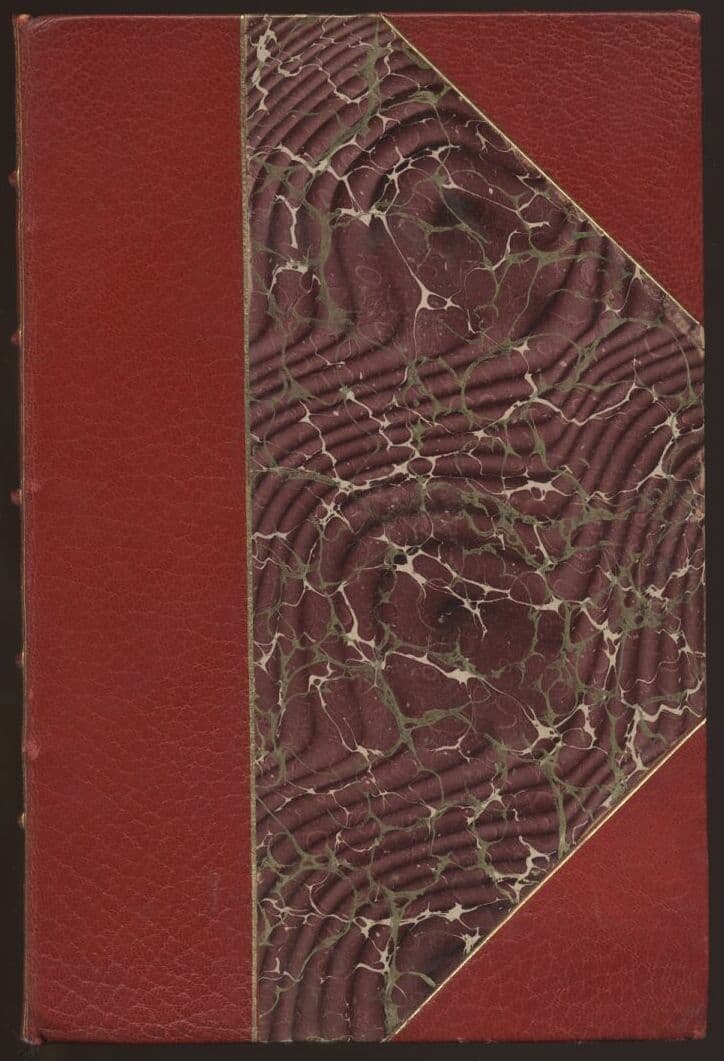
Editions
X-Ray
“Look in my face; my name is Might-have-been; I am also call'd No-more, Too-late, Farewell””
— Dante Gabriel Rossetti
“I marked all kindred Powers the heart finds fair:--Truth, with awed lips; and Hope, with eyes upcast;And Fame, whose loud wings fan the ashen PastTo signal-fires, Oblivion's flight to scare;And Youth, with still some single golden hairUnto his shoulder clinging, since the lastEmbrace wherein two sweet arms held him fast;And Life, still wreathing flowers for Death to wear.Love's throne was not with these; but far aboveAll passionate wind of welcome and farewell””
— Dante Gabriel Rossetti
“Ye who have passed Death's haggard hills; and yeWhom trees that knew your sires shall cease to knowAnd still stand silent:--is it all a show,--A wisp that laughs upon the wall?””
— Dante Gabriel Rossetti
“The hour which might have been yet might not be, Which man's and woman's heart conceived and bore Yet whereof life was barren,”
— Dante Gabriel Rossetti
“What is the sorriest thing that enters Hell? None of the sins,”
— Dante Gabriel Rossetti
Link to this book
Add a free, dofollow link to Lex on your blog, forum, syllabus, or reading list.

<a href="https://lex-books.com/book/the-house-of-life-2767d73d-7703-4a82-8dea-0e1d7c3798bd"><img src="https://lex-books.com/badges/read-on-lex.svg" alt="Read The House of Life by Dante Gabriel Rossetti free on Lex" width="160" height="40"></a>[](https://lex-books.com/book/the-house-of-life-2767d73d-7703-4a82-8dea-0e1d7c3798bd)[url=https://lex-books.com/book/the-house-of-life-2767d73d-7703-4a82-8dea-0e1d7c3798bd][img]https://lex-books.com/badges/read-on-lex.svg[/img][/url]Read The House of Life by Dante Gabriel Rossetti free on Lex: https://lex-books.com/book/the-house-of-life-2767d73d-7703-4a82-8dea-0e1d7c3798bdCite this book
Reading this edition for a paper or guide? Copy a citation.
Rossetti, Dante Gabriel. The House of Life. Lex, lex-books.com/book/the-house-of-life-2767d73d-7703-4a82-8dea-0e1d7c3798bd.Rossetti, D. G. (1881). The House of Life. Lex. https://lex-books.com/book/the-house-of-life-2767d73d-7703-4a82-8dea-0e1d7c3798bdRossetti, Dante Gabriel. The House of Life. Lex. https://lex-books.com/book/the-house-of-life-2767d73d-7703-4a82-8dea-0e1d7c3798bd.