The Flag of My Country = Shikéyah Bidah Na'at'a'í
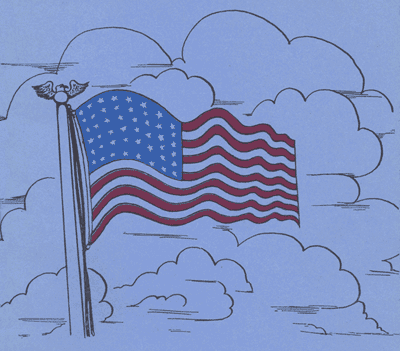
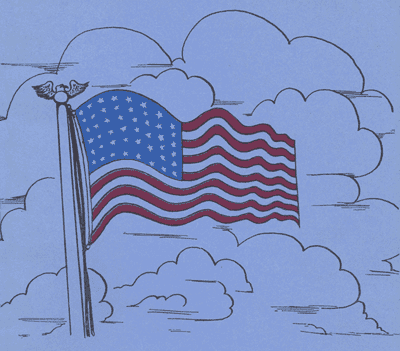
This slender volume emerges from a specific American moment: the post-war era when the Bureau of Indian Affairs and missionaries sought to assimilate Navajo youth through English literacy, yet quietly allowed glimpses of Indigenous perspective to peek through. The narrator is a Navajo boy living in Arizona, and through his deceptively simple observations about herding sheep, attending school, and watching the American flag flutter above his community, he grapples with what it means to belong to two worlds at once. The flag becomes a complex symbol, representing both the government that displaced his people and the promise of education and opportunity that might also preserve them. King presents this cultural tension without polemic, letting the boy's genuine affection for his family, his land, and his aspirations speak for themselves. The text reads as a historical artifact now, offering today's readers a window into mid-century federal education policy and the quiet dignity of a young person navigating between traditions. It's most valuable as primary source material rather than literary achievement, but its existence documents a particular negotiation between cultures that shaped generations of Navajo lives.