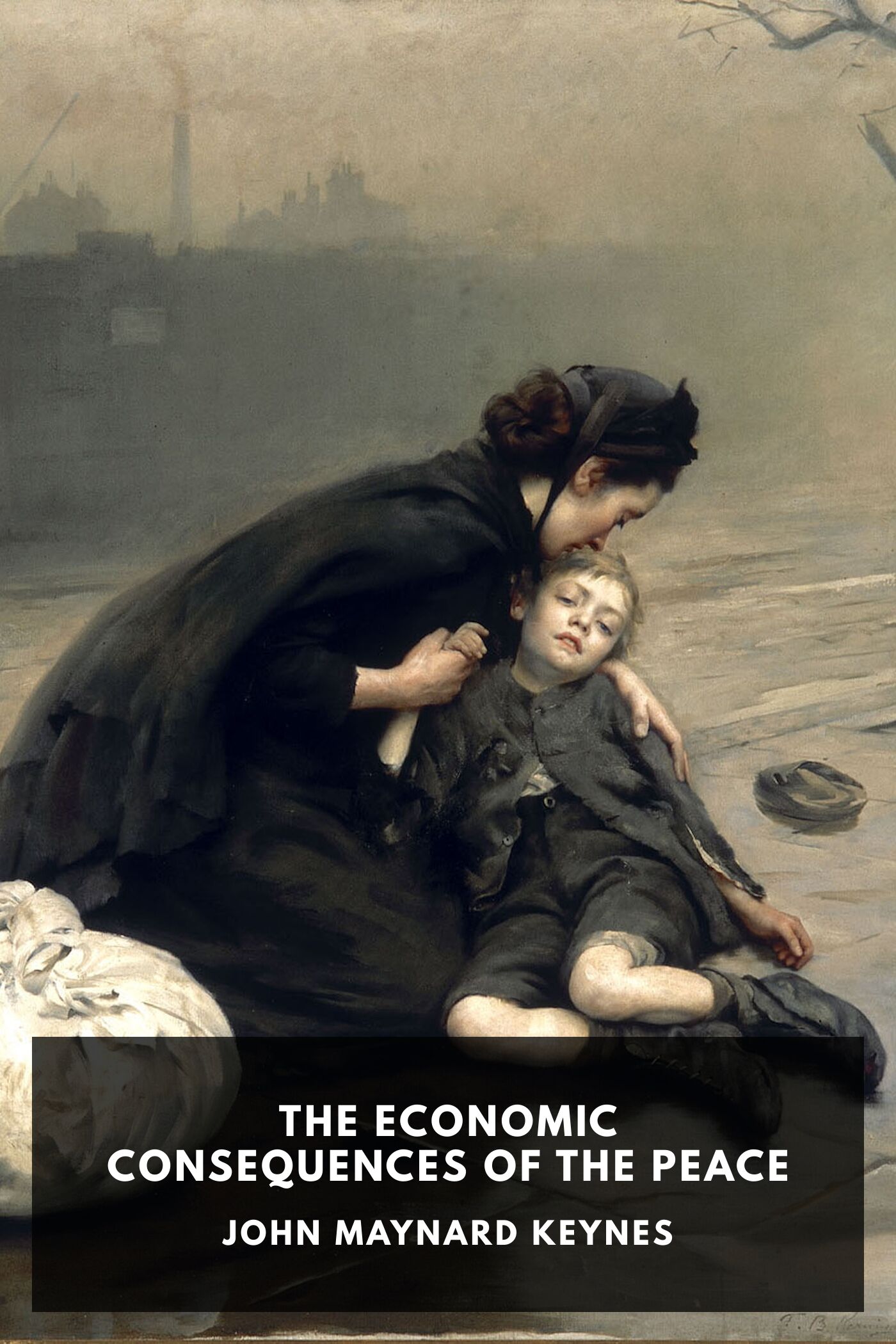
The Economic Consequences of the Peace
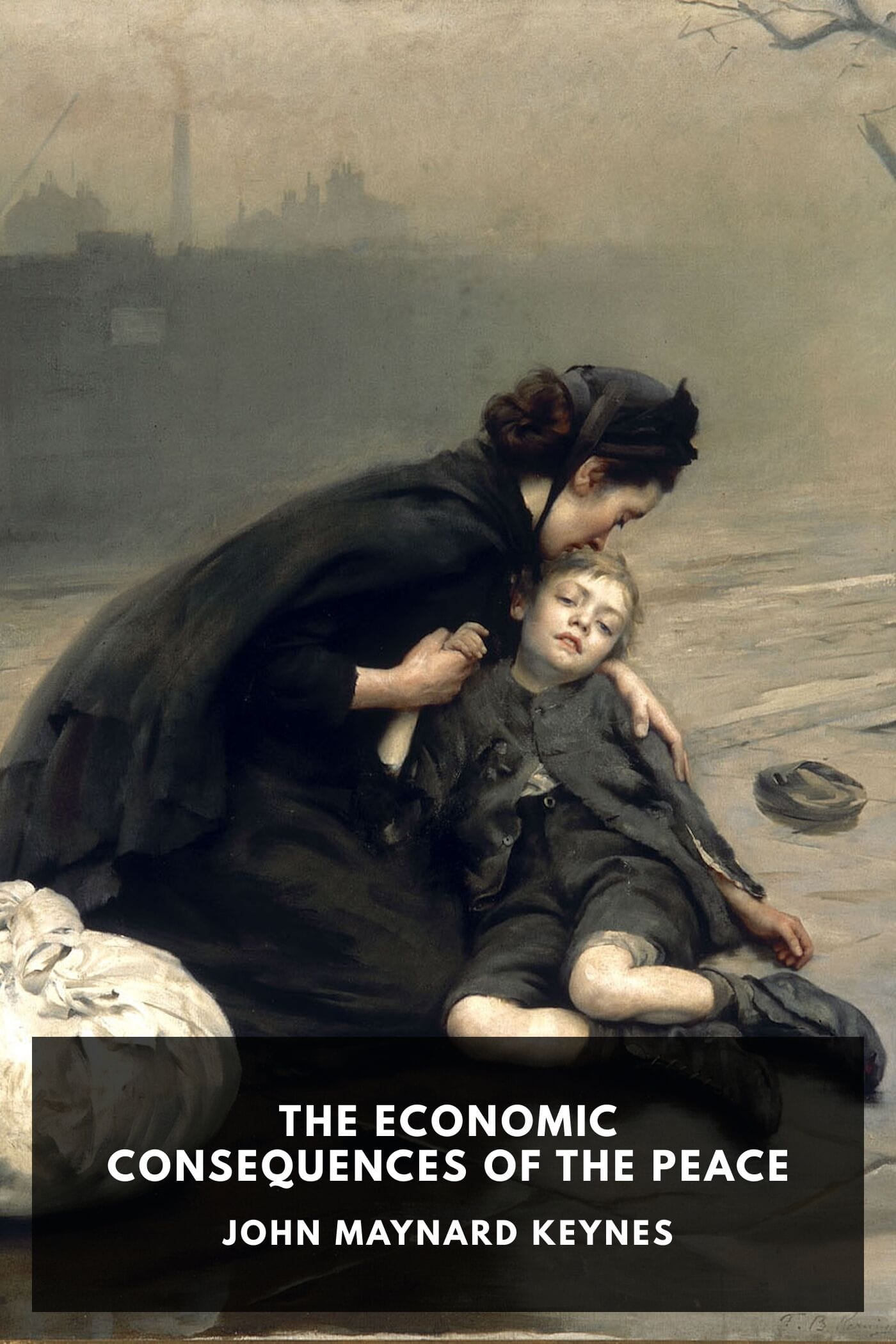
Fresh from his stint as a British Treasury representative at the 1919 Paris Peace Conference, John Maynard Keynes delivers a blistering indictment of the Treaty of Versailles. With surgical precision and a potent pen, he dismantles the reparations imposed on Germany, arguing that they were not merely punitive but economically catastrophic. Keynes paints the Allied leaders—Clemenceau, Lloyd George, and Wilson—as shortsighted, driven by vindictiveness and domestic politicking rather than a genuine understanding of Europe's interconnected economic health. He meticulously details how an already ravaged Germany, saddled with an impossible debt, was being set on a course for widespread suffering and, chillingly, a turn towards political extremism. More than a historical document, this book is a masterclass in prescient economic analysis and a stark warning about the perils of political myopia. Keynes's impassioned prose cuts through the diplomatic niceties to reveal the raw, dangerous consequences of an ill-conceived peace. Its immediate bestseller status and enduring relevance speak to the power of his argument, which, tragically, found its vindication in the tumultuous decades that followed. This is essential reading not just for understanding the interwar period, but for grasping how economic policy, when wielded carelessly, can reshape—and shatter—the geopolitical landscape.
Editions

Link to this book
Add a free, dofollow link to Lex on your blog, forum, syllabus, or reading list.

<a href="https://lex-books.com/book/the-economic-consequences-of-the-peace-40e792d9-a859-4575-b0d4-a389b4eaa651"><img src="https://lex-books.com/badges/read-on-lex.svg" alt="Read The Economic Consequences of the Peace by John Maynard Keynes free on Lex" width="160" height="40"></a>[](https://lex-books.com/book/the-economic-consequences-of-the-peace-40e792d9-a859-4575-b0d4-a389b4eaa651)[url=https://lex-books.com/book/the-economic-consequences-of-the-peace-40e792d9-a859-4575-b0d4-a389b4eaa651][img]https://lex-books.com/badges/read-on-lex.svg[/img][/url]Read The Economic Consequences of the Peace by John Maynard Keynes free on Lex: https://lex-books.com/book/the-economic-consequences-of-the-peace-40e792d9-a859-4575-b0d4-a389b4eaa651Cite this book
Reading this edition for a paper or guide? Copy a citation.
Keynes, John Maynard. The Economic Consequences of the Peace. Lex, lex-books.com/book/the-economic-consequences-of-the-peace-40e792d9-a859-4575-b0d4-a389b4eaa651.Keynes, J. M. (n.d.). The Economic Consequences of the Peace. Lex. https://lex-books.com/book/the-economic-consequences-of-the-peace-40e792d9-a859-4575-b0d4-a389b4eaa651Keynes, John Maynard. The Economic Consequences of the Peace. Lex. https://lex-books.com/book/the-economic-consequences-of-the-peace-40e792d9-a859-4575-b0d4-a389b4eaa651.