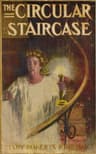
The Circular Staircase
1908
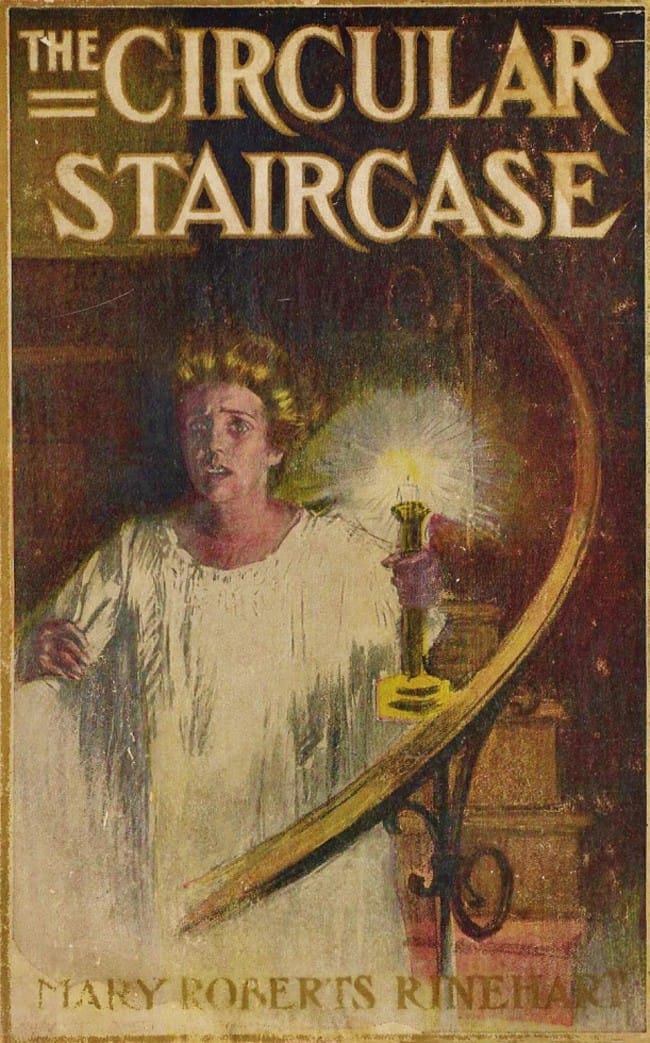
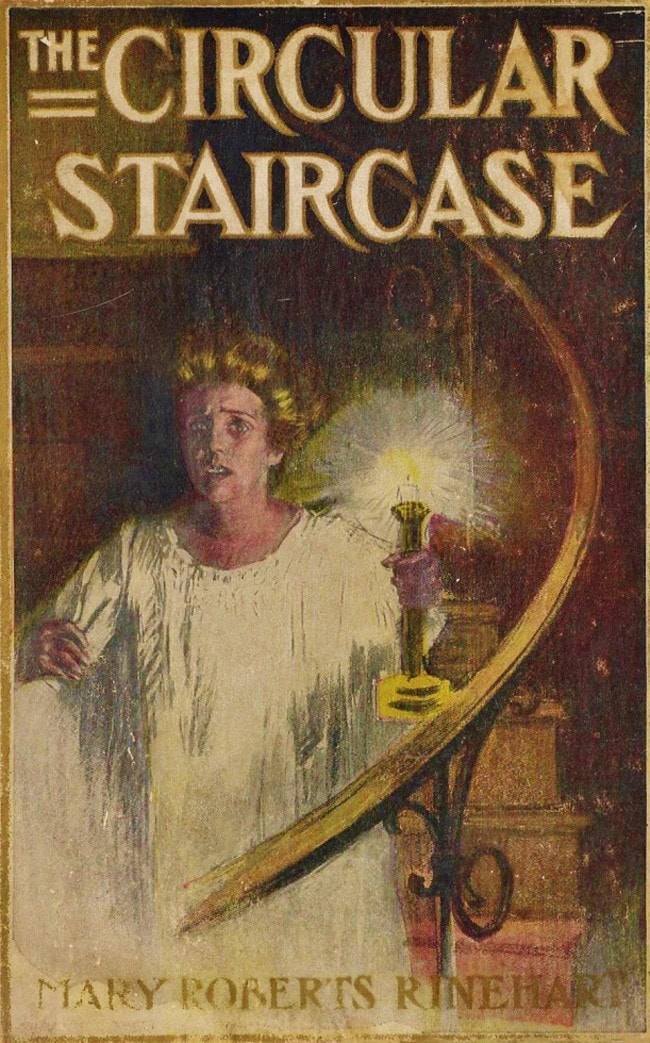
The book that invented a genre. Mary Roberts Rinehart's 1908 blockbuster pioneered the "had I-but-known" mystery, a formula so influential it shaped decades of thrillers to come. Here, a respectable middle-aged spinster named Rachel Innes makes the questionable decision to rent an isolated summer house called Sunnyside with her niece and nephew. What begins as a quaint retreat from city life curdles into something far darker: mysterious figures in the night, a servant who vanishes, a brutal crime that seals them inside a house that has become a trap. Rachel narrates her own tale with waspish detachment, second-guessing her decisions while dread mounts with almost unbearable intensity. The circular staircase of the title winds through a Gothic Revival mansion that feels increasingly like a coffin. Rinehart understood something essential about fear: it grows in the spaces between what we see and what we imagine. A masterclass in sustained tension wrapped in dry social comedy.
Editions

X-Ray
“People that trust themselves a dozen miles from the city, in strange houses, with servants they don't know, needn't be surprised if they wake up some morning and find their throats cut.””
— Mary Roberts Rinehart
“Gradually I found that my name signed to a check was even more welcome than when signed to a letter,””
— Mary Roberts Rinehart
“No one moved to get the whisky, from which I judged there were three pocket flasks ready for emergency.””
— Mary Roberts Rinehart
“I stirred my tea angrily.””
— Mary Roberts Rinehart
“There is a sort of melancholy pleasure to be had out of a funeral, with its pomp and ceremony, but I shrank from a death-bed.””
— Mary Roberts Rinehart
“And there are no pockets in shrouds!””
— Mary Roberts Rinehart
“THIS IS THE STORY OF how a middle-aged spinster lost her mind, deserted her domestic gods in the city, took a furnished house for the summer out of town, and found herself involved in one of those mysterious crimes that keep our newspapers and detective agencies happy and prosperous. For twenty years I had been perfectly comfortable; for twenty years I had had the window-boxes filled in the spring, the carpets lifted, the awnings put up and the furniture covered with brown linen; for as many summers I had said good-by to my friends, and, after watching their perspiring hegira, had settled down to a delicious quiet in town, where the mail comes three times a day, and the water supply does not depend on a tank on the roof.””
— Mary Roberts Rinehart
“There was no laudanum and Liddy made a terrible fuss when I proposed carbolic acid, just because I had put too much on the cotton once and burned her mouth.””
— Mary Roberts Rinehart
Link to this book
Add a free, dofollow link to Lex on your blog, forum, syllabus, or reading list.

<a href="https://lex-books.com/book/the-circular-staircase-379dbe44-e619-4f19-a24c-09dd2d4e4853"><img src="https://lex-books.com/badges/read-on-lex.svg" alt="Read The Circular Staircase by Mary Roberts Rinehart free on Lex" width="160" height="40"></a>[](https://lex-books.com/book/the-circular-staircase-379dbe44-e619-4f19-a24c-09dd2d4e4853)[url=https://lex-books.com/book/the-circular-staircase-379dbe44-e619-4f19-a24c-09dd2d4e4853][img]https://lex-books.com/badges/read-on-lex.svg[/img][/url]Read The Circular Staircase by Mary Roberts Rinehart free on Lex: https://lex-books.com/book/the-circular-staircase-379dbe44-e619-4f19-a24c-09dd2d4e4853Cite this book
Reading this edition for a paper or guide? Copy a citation.
Rinehart, Mary Roberts. The Circular Staircase. Lex, lex-books.com/book/the-circular-staircase-379dbe44-e619-4f19-a24c-09dd2d4e4853.Rinehart, M. R. (1908). The Circular Staircase. Lex. https://lex-books.com/book/the-circular-staircase-379dbe44-e619-4f19-a24c-09dd2d4e4853Rinehart, Mary Roberts. The Circular Staircase. Lex. https://lex-books.com/book/the-circular-staircase-379dbe44-e619-4f19-a24c-09dd2d4e4853.