The Adventuress: A Craig Kennedy Detective Story
1917
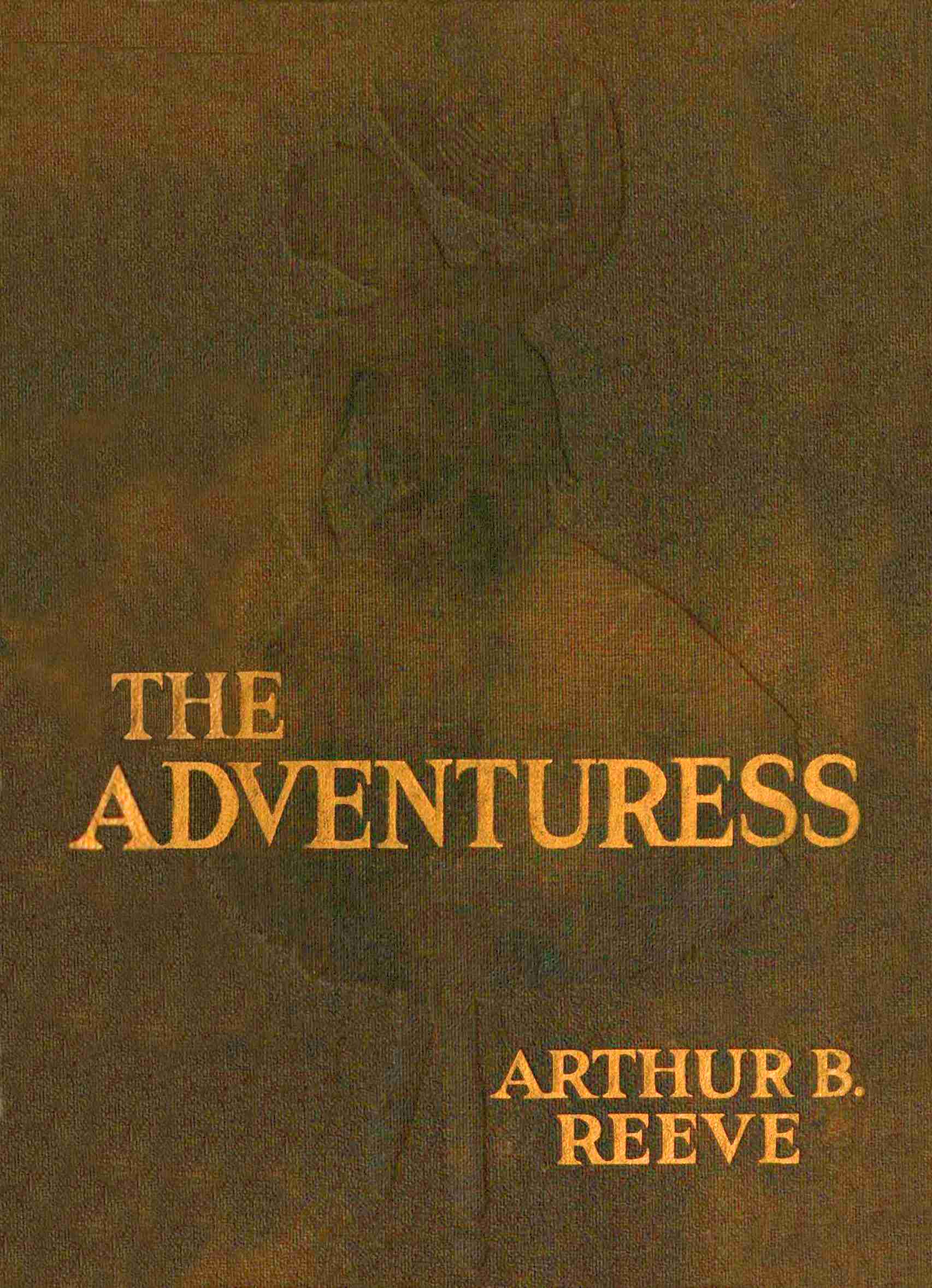
In 1917, Arthur B. Reeve gave the world Craig Kennedy, a scientist-detective who would become known as "the American Sherlock Holmes" and the first fictional detective to use forensic science. Kennedy was solving crimes with chemistry, forensics, and logic a generation before such methods became real police procedure. This, his first full-length novel, opens with a revolver shot in a laboratory and never lets up. Marshall Maddox, a wealthy munitions magnate, lies dead after a family conference aboard a yacht. His estranged wife, her brother, and a mysterious cabaret dancer named Paquita all have reasons to want him gone. Adding to the mystery: a revolutionary invention called the telautomaton, and a missing briefcase containing plans that could be worth millions. As Kennedy applies his scientific mind to the case, he finds himself battling not just a clever murderer but the diabolical ingenuity behind the crime itself and the dangerous allure of the enigmatic Adventuress. The book pulses with early twentieth-century energy, industrial intrigue, and the thrill of seeing science take down criminals. It captures the moment when detective fiction began to imagine a world where brains and evidence mattered more than intuition. For fans of vintage mysteries, early sci-fi, and anyone curious about where forensic fiction began.
Editions

Link to this book
Add a free, dofollow link to Lex on your blog, forum, syllabus, or reading list.

<a href="https://lex-books.com/book/the-adventuress-a-craig-kennedy-detective-story-273d0903-5531-49c6-ae7e-0b303f604741"><img src="https://lex-books.com/badges/read-on-lex.svg" alt="Read The Adventuress: A Craig Kennedy Detective Story by Arthur B. Reeve free on Lex" width="160" height="40"></a>[](https://lex-books.com/book/the-adventuress-a-craig-kennedy-detective-story-273d0903-5531-49c6-ae7e-0b303f604741)[url=https://lex-books.com/book/the-adventuress-a-craig-kennedy-detective-story-273d0903-5531-49c6-ae7e-0b303f604741][img]https://lex-books.com/badges/read-on-lex.svg[/img][/url]Read The Adventuress: A Craig Kennedy Detective Story by Arthur B. Reeve free on Lex: https://lex-books.com/book/the-adventuress-a-craig-kennedy-detective-story-273d0903-5531-49c6-ae7e-0b303f604741Cite this book
Reading this edition for a paper or guide? Copy a citation.
Reeve, Arthur B.. The Adventuress: A Craig Kennedy Detective Story. Lex, lex-books.com/book/the-adventuress-a-craig-kennedy-detective-story-273d0903-5531-49c6-ae7e-0b303f604741.Reeve, A. B. (1917). The Adventuress: A Craig Kennedy Detective Story. Lex. https://lex-books.com/book/the-adventuress-a-craig-kennedy-detective-story-273d0903-5531-49c6-ae7e-0b303f604741Reeve, Arthur B.. The Adventuress: A Craig Kennedy Detective Story. Lex. https://lex-books.com/book/the-adventuress-a-craig-kennedy-detective-story-273d0903-5531-49c6-ae7e-0b303f604741.