Thaïs
1890
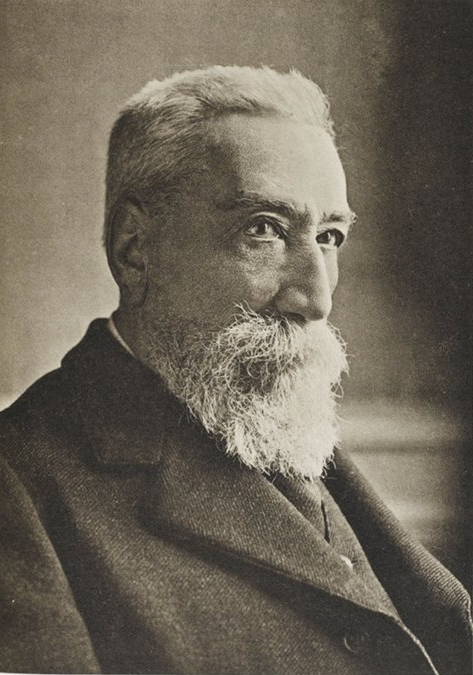
Published in 1890, 'Thaïs' by Anatole France is a novel set in ancient Egypt that delves into themes of religious devotion, temptation, and redemption. The story follows Paphnuce, an ascetic monk, as he seeks to convert Thaïs, a beautiful courtesan embodying both physical temptation and spiritual corruption. Through Paphnuce's inner struggles and contemplations, the narrative explores the conflict between flesh and spirit, beauty and sin, making it a notable work in the exploration of Christian themes in literature.
Editions
X-Ray
“There are forces, Lucius, infinitely more powerful than reason and science."" What are they?" asked Cotta."Ignorance and folly," replied Aristaeus.””
— Anatole France
“I am but a miserable sinner, but I have found, in my long life, that the cenobite has no foe worse than sadness".””
— Anatole France
“Les vierges entonnaient le cantique de Zacharie:-- Béni soit le Seigneur, le dieu d'Israël.Brusquement la voix s'arrêta dans leur gorge. Elles avaient vu la face du moine et elles fuyaient d'épouvante en criant:-- Un vampire! un vampire!Il était devenu si hideux qu'en passant la main sur son visage, il sentit sa laideur.””
— Anatole France
“There, in a livid light, the demons tormented the souls of the damned. The souls preserved the appearance of the bodies which had held them, and even wore some rags of clothing. These souls seemed peaceful in the midst of their torments.””
— Anatole France
“But canst thou only die, withered embryo, foetus steeped in gall and scalding tears? Miserable abortion, dost thou think thou canst taste death, thou who hast never known life? If only God exists, that he may damn me. I hope for it. I wish it. God, I hate Thee! dost Thou hear? Overwhelm me with Thy damnation. To compel Thee to, I spit in Thy face. I must find an eternal hell, to exhaust the eternity of rage which consumes me.””
— Anatole France
“Men,’ I said to myself, ‘suffer because they are deprived of that which they believe to be good; or because, possessing it they fear to lose it; or because they endure that which they believe to be an evil. Put an end to all beliefs of this kind, and the evils would disappear.””
— Anatole France
“فالخير والشر لا يتعدان حد الظن والتقدير،””
— Anatole France
Link to this book
Add a free, dofollow link to Lex on your blog, forum, syllabus, or reading list.

<a href="https://lex-books.com/book/tha-s-a8e05999-97c6-4317-9edb-a7358c2be5c0"><img src="https://lex-books.com/badges/read-on-lex.svg" alt="Read Thaïs by Anatole France free on Lex" width="160" height="40"></a>[](https://lex-books.com/book/tha-s-a8e05999-97c6-4317-9edb-a7358c2be5c0)[url=https://lex-books.com/book/tha-s-a8e05999-97c6-4317-9edb-a7358c2be5c0][img]https://lex-books.com/badges/read-on-lex.svg[/img][/url]Read Thaïs by Anatole France free on Lex: https://lex-books.com/book/tha-s-a8e05999-97c6-4317-9edb-a7358c2be5c0Cite this book
Reading this edition for a paper or guide? Copy a citation.
France, Anatole. Thaïs. Lex, lex-books.com/book/tha-s-a8e05999-97c6-4317-9edb-a7358c2be5c0.France, A. (1890). Thaïs. Lex. https://lex-books.com/book/tha-s-a8e05999-97c6-4317-9edb-a7358c2be5c0France, Anatole. Thaïs. Lex. https://lex-books.com/book/tha-s-a8e05999-97c6-4317-9edb-a7358c2be5c0.