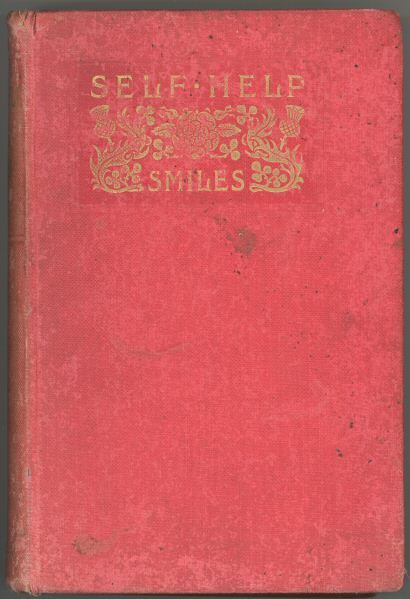
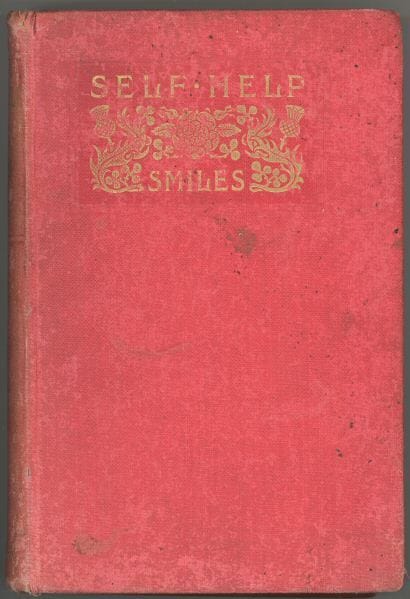
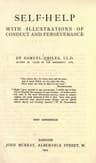
Self Help; with Illustrations of Conduct and Perseverance
1859
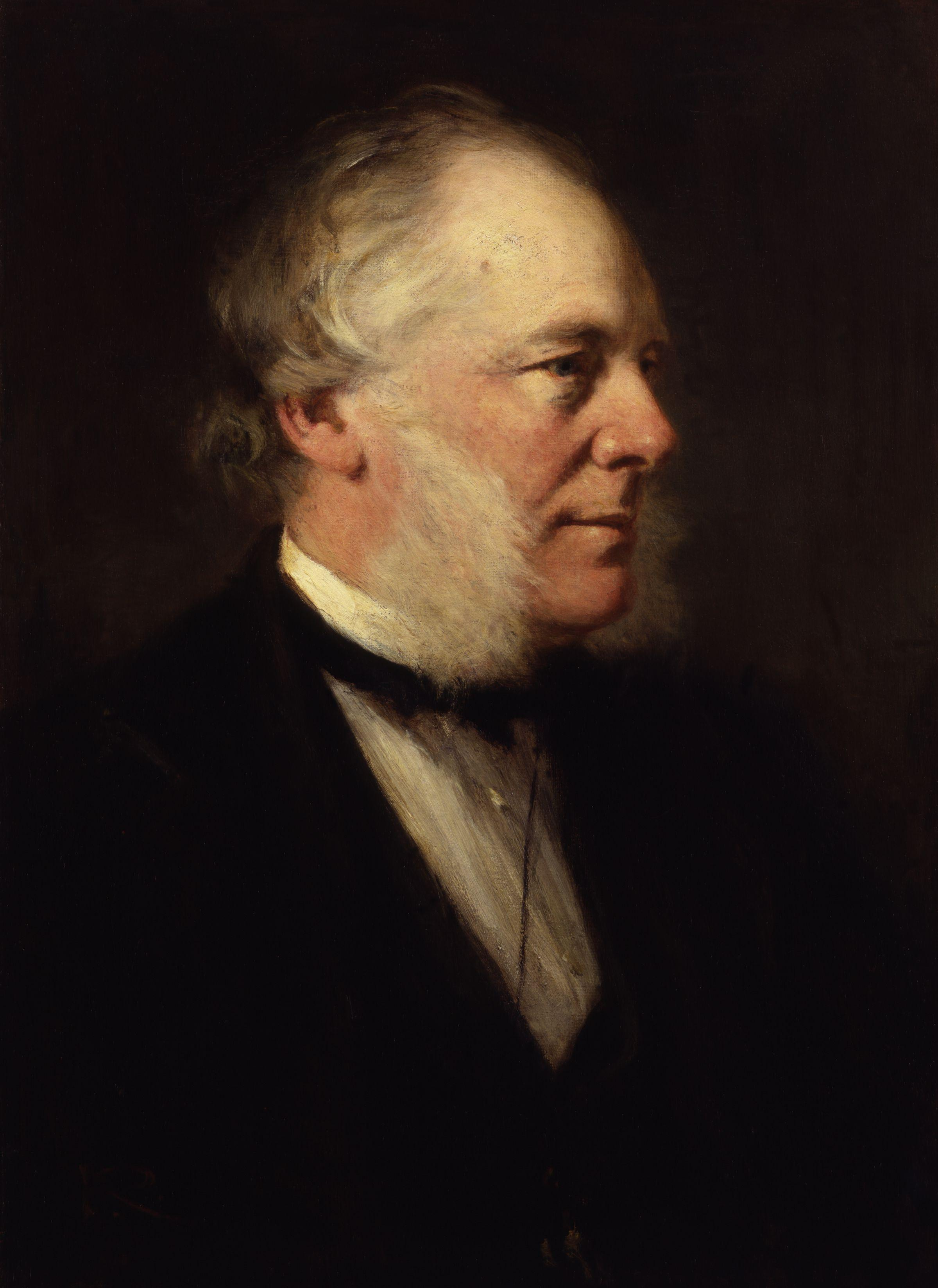
This is the book that invented the self-help genre. When Samuel Smiles published it in 1859, he ignited a conversation that continues today: can ordinary people shape their own destinies, or are we all merely products of our station? Smiles's answer was unequivocal, and he populated his pages with cobblers, farmers, and factory workers who had clawed their way to greatness not through luck or patronage, but through relentless self-discipline. These are not fairy tales of overnight success but meticulous accounts of men and women who read by candlelight after exhausting labor, who refused to accept the limits others placed on them. The writing carries Victorian moral weight, earnest, sometimes stentorian, occasionally soaring, but beneath its period prose lies something urgent and universal. Interpreted variously as a defense of capitalism and as a radical argument for working-class advancement, Self-Help ultimately champions self-improvement as a practical act of defiance. It is the ancestor of every modern motivational book, yet its vision feels broader: not mere wealth accumulation, but self-cultivation. Read it for the historical insight, or read it because you need reminding that your circumstances need not be your fate.
Editions
Link to this book
Add a free, dofollow link to Lex on your blog, forum, syllabus, or reading list.

<a href="https://lex-books.com/book/self-help-with-illustrations-of-conduct-and-perseverance-181e9781-a4ca-4b1a-8f68-d42b1e0a675f"><img src="https://lex-books.com/badges/read-on-lex.svg" alt="Read Self Help; with Illustrations of Conduct and Perseverance by Samuel Smiles free on Lex" width="160" height="40"></a>[](https://lex-books.com/book/self-help-with-illustrations-of-conduct-and-perseverance-181e9781-a4ca-4b1a-8f68-d42b1e0a675f)[url=https://lex-books.com/book/self-help-with-illustrations-of-conduct-and-perseverance-181e9781-a4ca-4b1a-8f68-d42b1e0a675f][img]https://lex-books.com/badges/read-on-lex.svg[/img][/url]Read Self Help; with Illustrations of Conduct and Perseverance by Samuel Smiles free on Lex: https://lex-books.com/book/self-help-with-illustrations-of-conduct-and-perseverance-181e9781-a4ca-4b1a-8f68-d42b1e0a675fCite this book
Reading this edition for a paper or guide? Copy a citation.
Smiles, Samuel. Self Help; with Illustrations of Conduct and Perseverance. Lex, lex-books.com/book/self-help-with-illustrations-of-conduct-and-perseverance-181e9781-a4ca-4b1a-8f68-d42b1e0a675f.Smiles, S. (1859). Self Help; with Illustrations of Conduct and Perseverance. Lex. https://lex-books.com/book/self-help-with-illustrations-of-conduct-and-perseverance-181e9781-a4ca-4b1a-8f68-d42b1e0a675fSmiles, Samuel. Self Help; with Illustrations of Conduct and Perseverance. Lex. https://lex-books.com/book/self-help-with-illustrations-of-conduct-and-perseverance-181e9781-a4ca-4b1a-8f68-d42b1e0a675f.