Second Treatise of Government
Second Treatise of Government
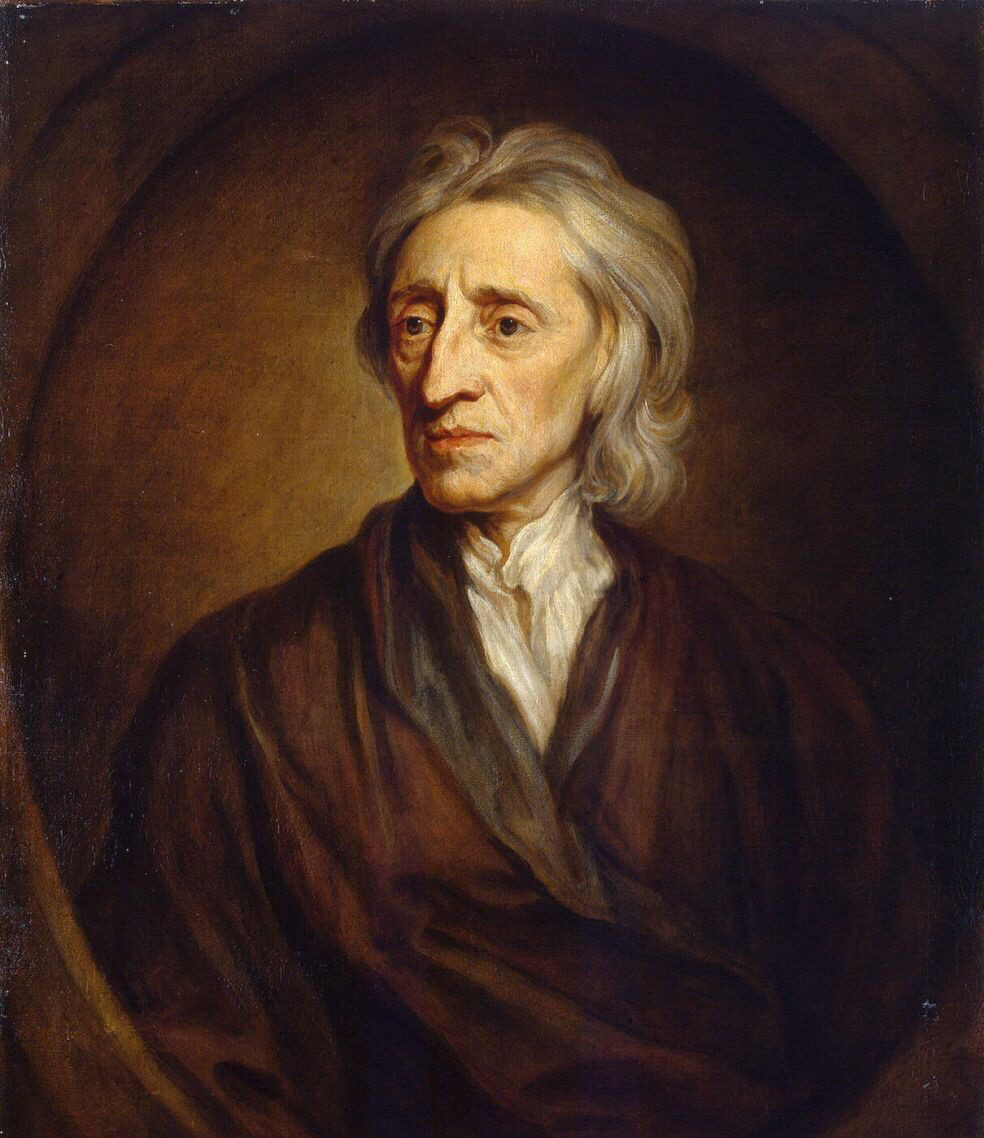
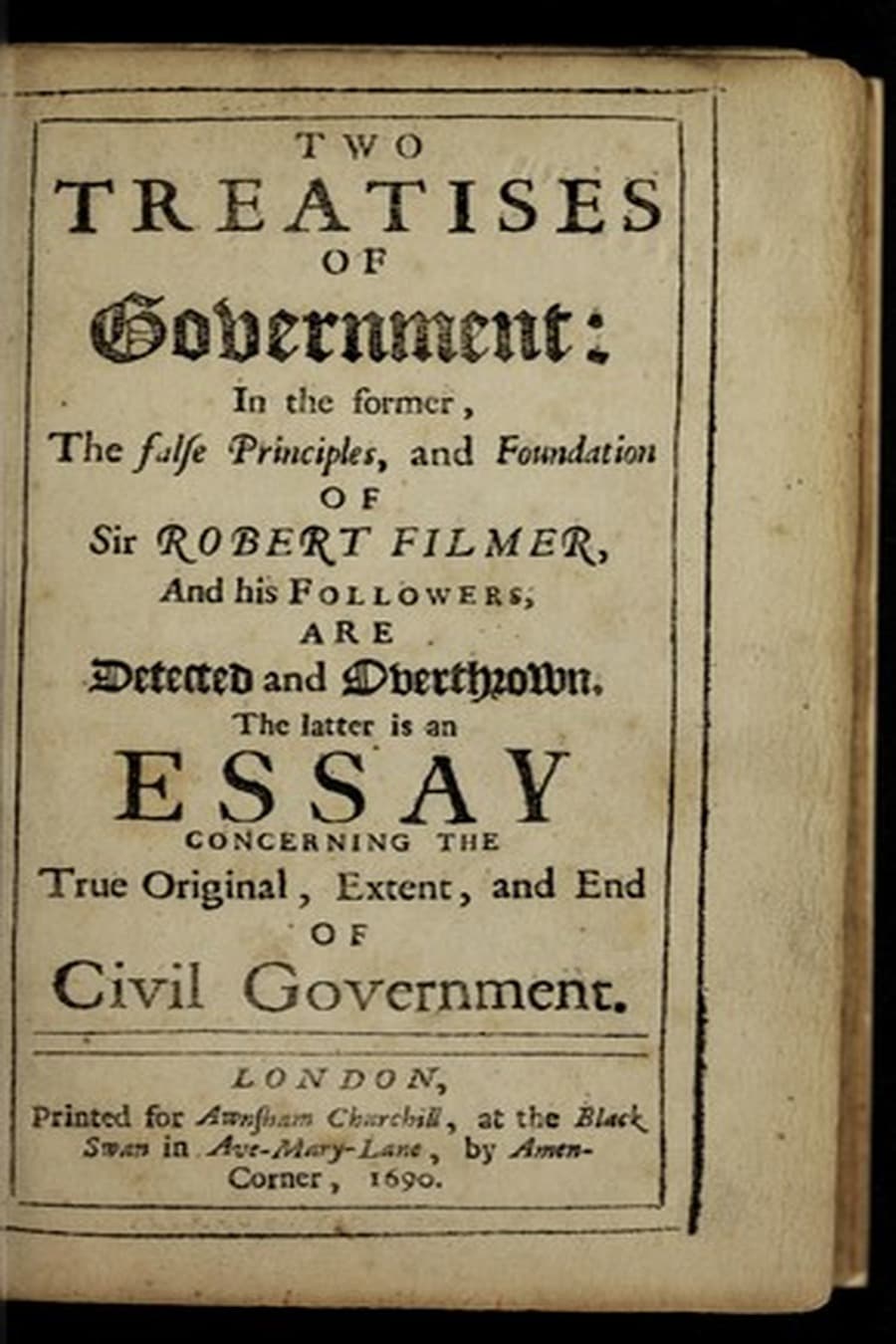
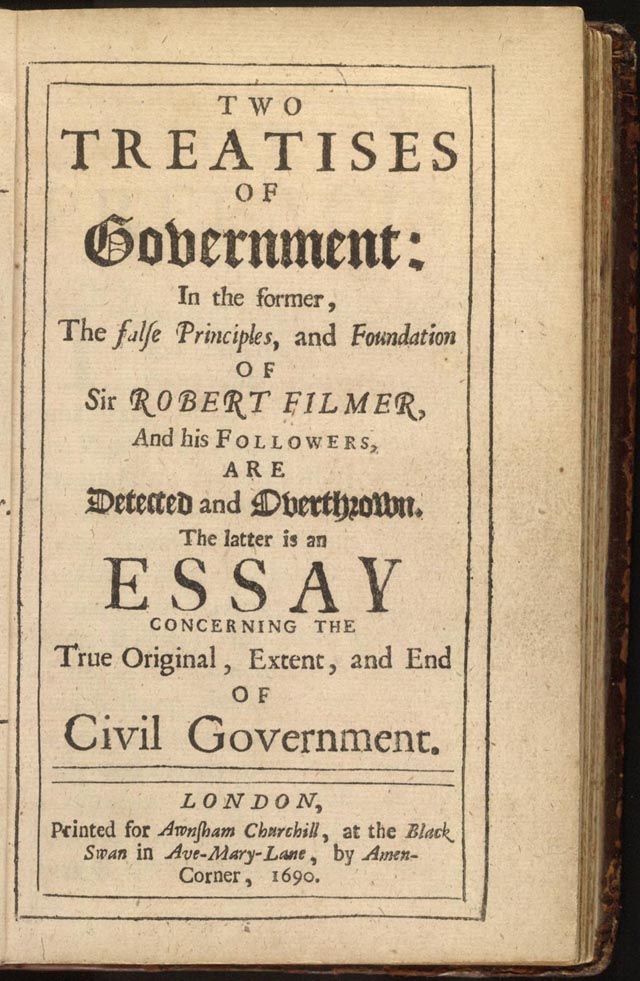
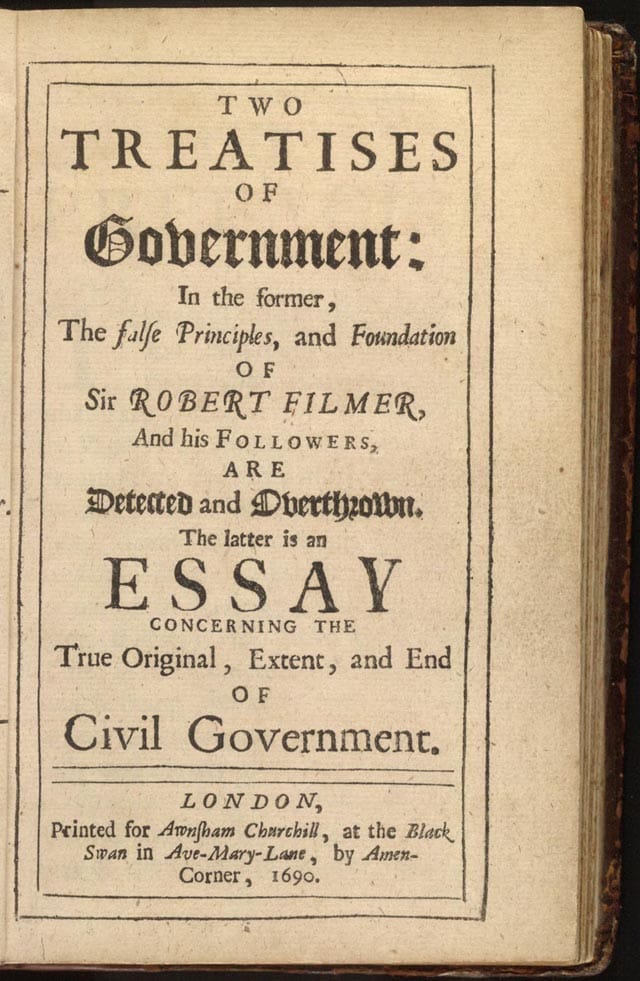
Before modern democracy was inevitable, it had to be invented. In 1690, John Locke sat down to dismantle the most powerful idea in Western politics: that kings ruled by divine right, that subjects were born to obey. What he produced was a blueprint for human freedom that would reshape the world. Locke argues that political authority must rest on consent, that governments exist to protect natural rights to life, liberty, and property, and that when rulers become tyrants, the people retain the right to alter or abolish them. This is the argument that made revolution respectable, that planted the seeds of the American and French Revolutions, and that gave liberalism its vocabulary. More than three centuries later, every debate about the limits of government, the nature of consent, and the rights of individuals still takes place in a house Locke built.
Editions
X-Ray
“Being all equal and independent, no one ought to harm another in his life, health, liberty, or possessions.””
— John Locke
“Men being, as has been said, by nature, all free, equal and independent, no one can be put out of this estate, and subjected to the political power of another, without his own consent.””
— John Locke
“In transgressing the law of nature, the offender declares himself to live by another rule than that of reason and common equity" Ch.2, 8””
— John Locke
“As usurpation is the exercise of power, which another hath a right to; so tyranny is the exercise of power beyond right, which no body can have a right to. And this is making use of the power any one has in his hands, not for the good of those who are under it, but for his own private separate advantage. When the governor, however intitled, makes not the law, but his will, the rule; and his commands and actions are not directed to the preservation of the properties of his people, but the satisfaction of his own ambition, revenge, covetousness, or any other irregular passion.””
— John Locke
“This makes it Lawful for a Man to Kill a Thief, who has not in the least hurt him, nor declared any design upon his life, any farther then by the use of Force, so to get him in his Power, as to take away his Money, or what he pleases from him.: because using force, where he has no Right, to get me into his Power, let his pretense be what it will, I have no reason to purpose that he, who would take away my Liberty, would not when he had me in his Power, take away every thing else. And therefore it is Lawful for me to treat him, as one who has put himself into a State of War with me, I.e. kill him if I can; for to that hazard does he justly expose himself, whoever introduces a State of War, and is Aggressor in it.””
— John Locke
“The power of the legislative, being derived from the people by a positive voluntary grant and institution, can be no other than what that positive grant conveyed, which being only to make laws, and not to make legislators, the legislative can have no power to transfer their authority of making laws, and place it in other hands.””
— John Locke
“Slavery is so vile and miserable an Estate of Man, and so directly opposite to the generous Temper and Courage of our Nation; that 'tis hardly to be conceived, that an Englishman, much less a Gentleman, should plead for't.. And truly, I should have taken Sr. Rt: Filmer's "Patriarcha" as any other Treatise, which would perswade all Men, that they are Slaves, and ought to be so, for such another exercise of Wit, as was his who writ the Encomium (Praise) of Nero, rather than for a serious Discourse meant in earnest, had not the Gravity of the Title and Epistle, the Picture in the Front of the Book, and the Applause that followed it, required me to believe, that the Author and Publisher were both in earnest. I therefore took it into my hands with all the expectation and read it through with all the attention due to a Treaties, that made such a noise at its coming abroad and cannot but confess my self mightily surprised, that in a Book which was to provide Chains for all Mankind, I should find nothing but a Rope of Sand, useful perhaps to such, whose Skill and Business it is to raise a Dust, and would blind the People, the better to mislead them, but in truth is not of any force to draw those into Bondage, who have their Eyes open, and so much Sense about them as to consider, that Chains are but an Ill wearing, how much Care soever hath been taken to file and polish them.””
— John Locke
“Sec. 10. Besides the crime which consists in violating the law, and varying from the right rule of reason, whereby a man so far becomes degenerate, and declares himself to quit the principles of human nature, and to be a noxious creature, there is commonly injury done to some person or other, and some other man receives damage by his transgression: in which case he who hath received any damage, has, besides the right of punishment common to him with other men, a particular right to seek reparation from him that has done it: and any other person, who finds it just, may also join with him that is injured, and assist him in recovering from the offender so much as may make satisfaction for the harm he has suffered.””
— John Locke
“Sect. 4. TO understand political power right, and derive it from its original, we must consider, what state all men are naturally in, and that is, a state of perfect freedom to order their actions, and dispose of their possessions and persons, as they think fit, within the bounds of the law of nature, without asking leave, or depending upon the will of any other man.””
— John Locke
Link to this book
Add a free, dofollow link to Lex on your blog, forum, syllabus, or reading list.

<a href="https://lex-books.com/book/second-treatise-of-government-51c9af76-0b2f-49c5-84e4-fb1647e7ba81"><img src="https://lex-books.com/badges/read-on-lex.svg" alt="Read Second Treatise of Government by John Locke free on Lex" width="160" height="40"></a>[](https://lex-books.com/book/second-treatise-of-government-51c9af76-0b2f-49c5-84e4-fb1647e7ba81)[url=https://lex-books.com/book/second-treatise-of-government-51c9af76-0b2f-49c5-84e4-fb1647e7ba81][img]https://lex-books.com/badges/read-on-lex.svg[/img][/url]Read Second Treatise of Government by John Locke free on Lex: https://lex-books.com/book/second-treatise-of-government-51c9af76-0b2f-49c5-84e4-fb1647e7ba81Cite this book
Reading this edition for a paper or guide? Copy a citation.
Locke, John. Second Treatise of Government. Lex, lex-books.com/book/second-treatise-of-government-51c9af76-0b2f-49c5-84e4-fb1647e7ba81.Locke, J. (n.d.). Second Treatise of Government. Lex. https://lex-books.com/book/second-treatise-of-government-51c9af76-0b2f-49c5-84e4-fb1647e7ba81Locke, John. Second Treatise of Government. Lex. https://lex-books.com/book/second-treatise-of-government-51c9af76-0b2f-49c5-84e4-fb1647e7ba81.