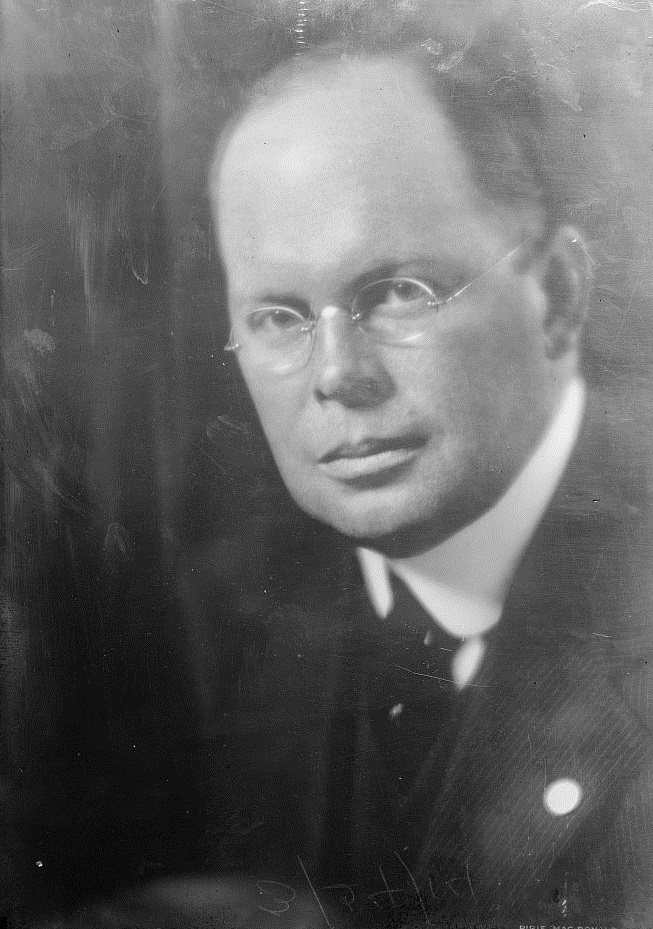
Samuel Merwin (Gutenberg Index)
1980
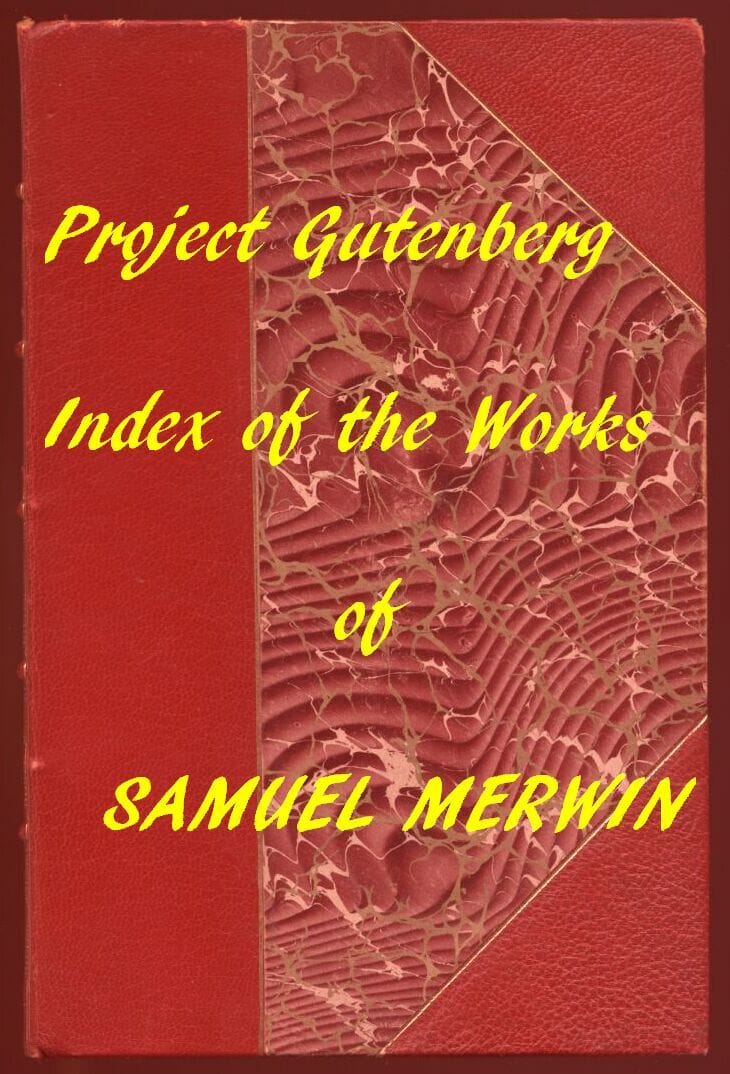
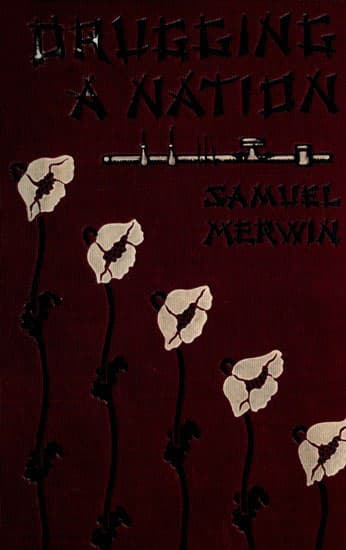
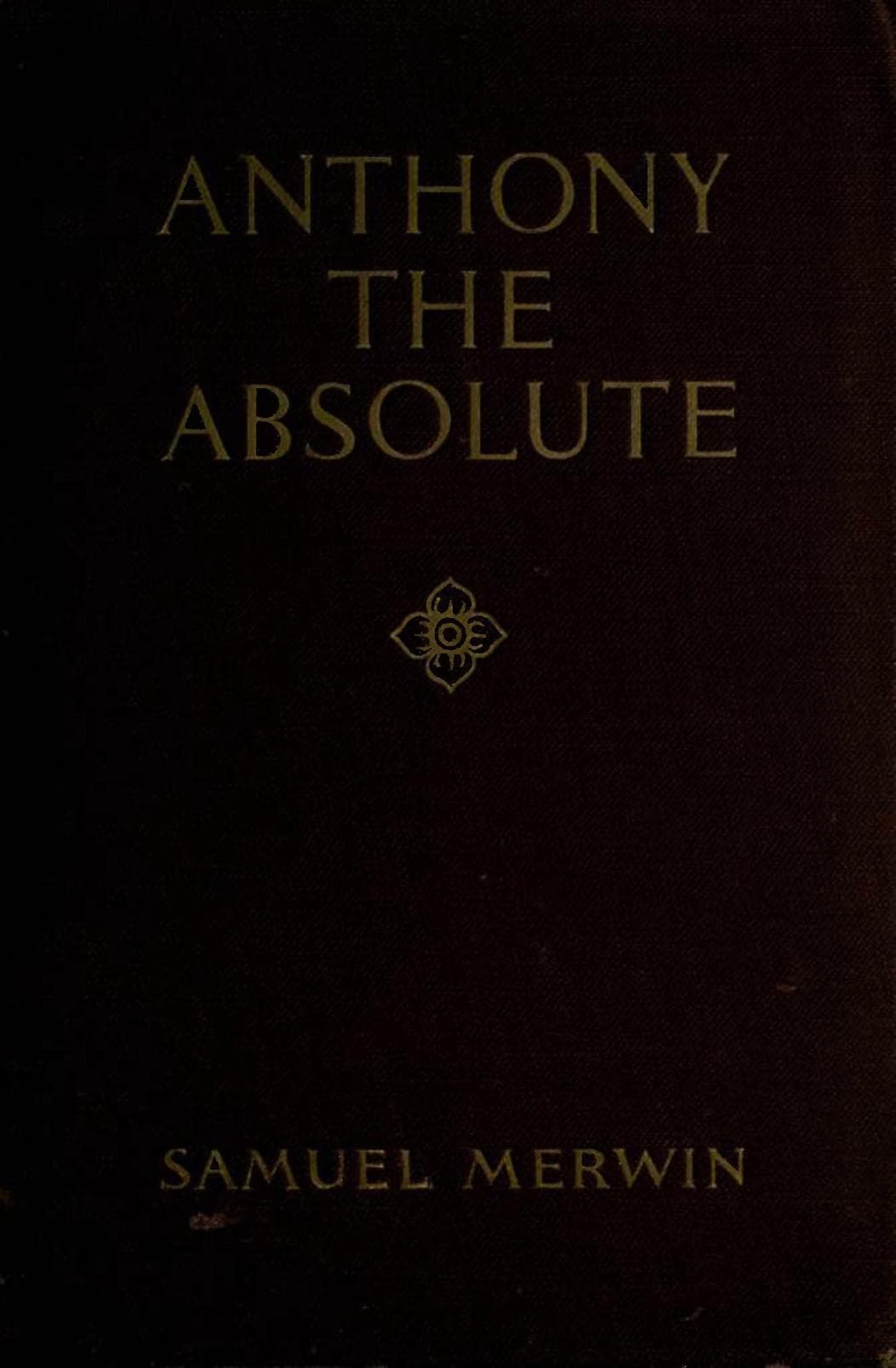
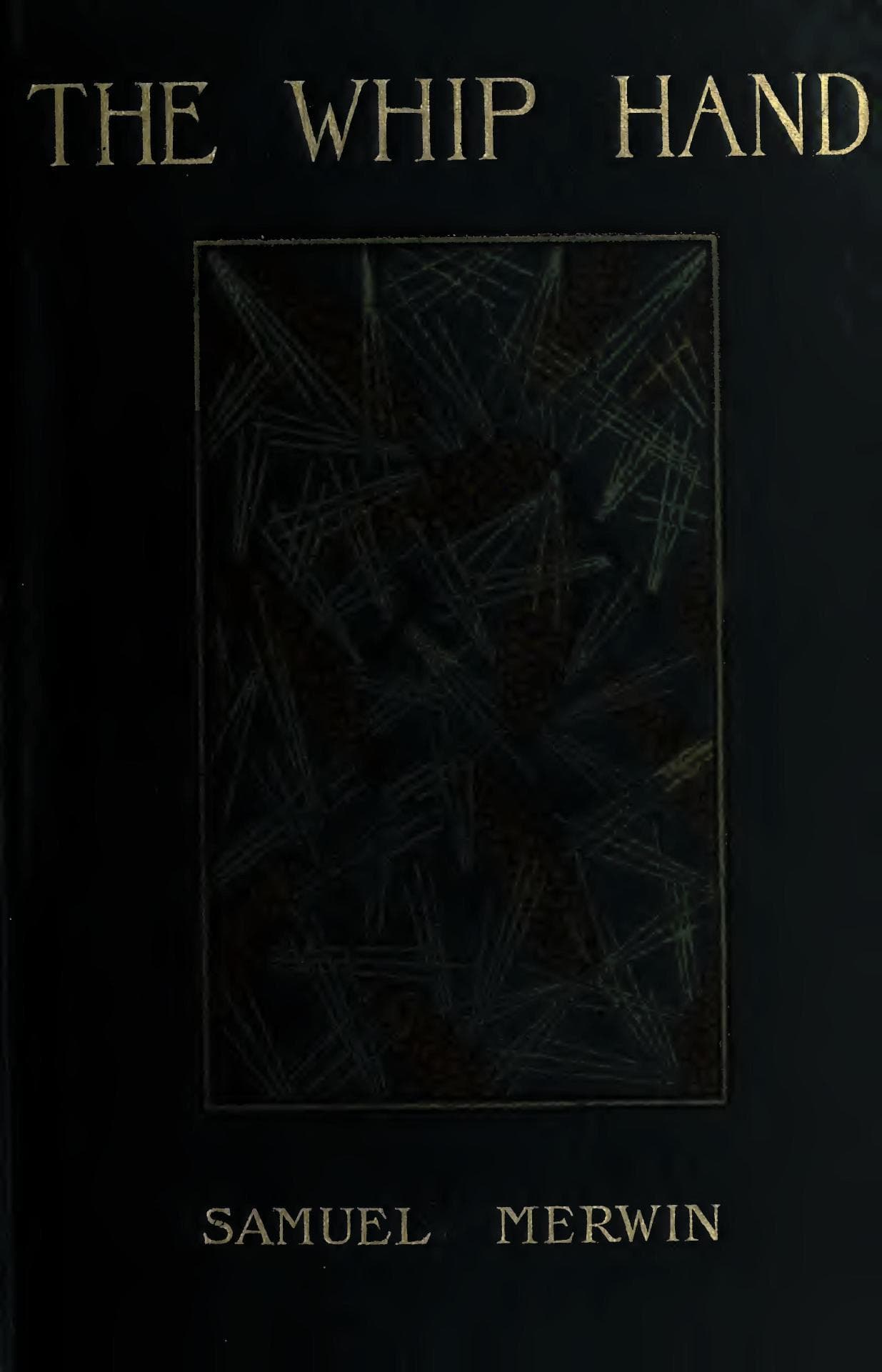
Samuel Merwin wrote with his fingers on the pulse of early 20th-century America, when the country was remaking itself through rail lines, industrial ambition, and uncomfortable entanglements with the wider world. This collection gathers his most vital works: "The Short Line War," a granular drama of railway politics and small-town power struggles; "Drugging a Nation," a surprisingly prescient investigation into China's opium crisis and the moral rot of the trade; "His Little World," a quiet masterpiece of personal growth and moral reckoning; and "The Road to Frontenac," pure adventure narrative that roars with frontier energy. Merwin was not a novelist of ideas in the abstract sense. He was a writer who understood that business, politics, and personal ethics were braided together, and that the American experiment was as much about what people would do to each other as for each other. These stories feel remarkably contemporary because the tensions they explore, about power, consequence, and the price of progress, have never fully resolved. For readers who want to understand the American literary imagination at the moment it became modern, this is essential territory.
Editions
Link to this book
Add a free, dofollow link to Lex on your blog, forum, syllabus, or reading list.

<a href="https://lex-books.com/book/samuel-merwin-gutenberg-index-a70a401f-b5fd-472f-ba3a-479795346018"><img src="https://lex-books.com/badges/read-on-lex.svg" alt="Read Samuel Merwin (Gutenberg Index) by Samuel Merwin free on Lex" width="160" height="40"></a>[](https://lex-books.com/book/samuel-merwin-gutenberg-index-a70a401f-b5fd-472f-ba3a-479795346018)[url=https://lex-books.com/book/samuel-merwin-gutenberg-index-a70a401f-b5fd-472f-ba3a-479795346018][img]https://lex-books.com/badges/read-on-lex.svg[/img][/url]Read Samuel Merwin (Gutenberg Index) by Samuel Merwin free on Lex: https://lex-books.com/book/samuel-merwin-gutenberg-index-a70a401f-b5fd-472f-ba3a-479795346018Cite this book
Reading this edition for a paper or guide? Copy a citation.
Merwin, Samuel. Samuel Merwin (Gutenberg Index). Lex, lex-books.com/book/samuel-merwin-gutenberg-index-a70a401f-b5fd-472f-ba3a-479795346018.Merwin, S. (1980). Samuel Merwin (Gutenberg Index). Lex. https://lex-books.com/book/samuel-merwin-gutenberg-index-a70a401f-b5fd-472f-ba3a-479795346018Merwin, Samuel. Samuel Merwin (Gutenberg Index). Lex. https://lex-books.com/book/samuel-merwin-gutenberg-index-a70a401f-b5fd-472f-ba3a-479795346018.