Ruhtinas
1532
Ruhtinas
1532
Translated by O. A. (Oskar Albin) Kallio
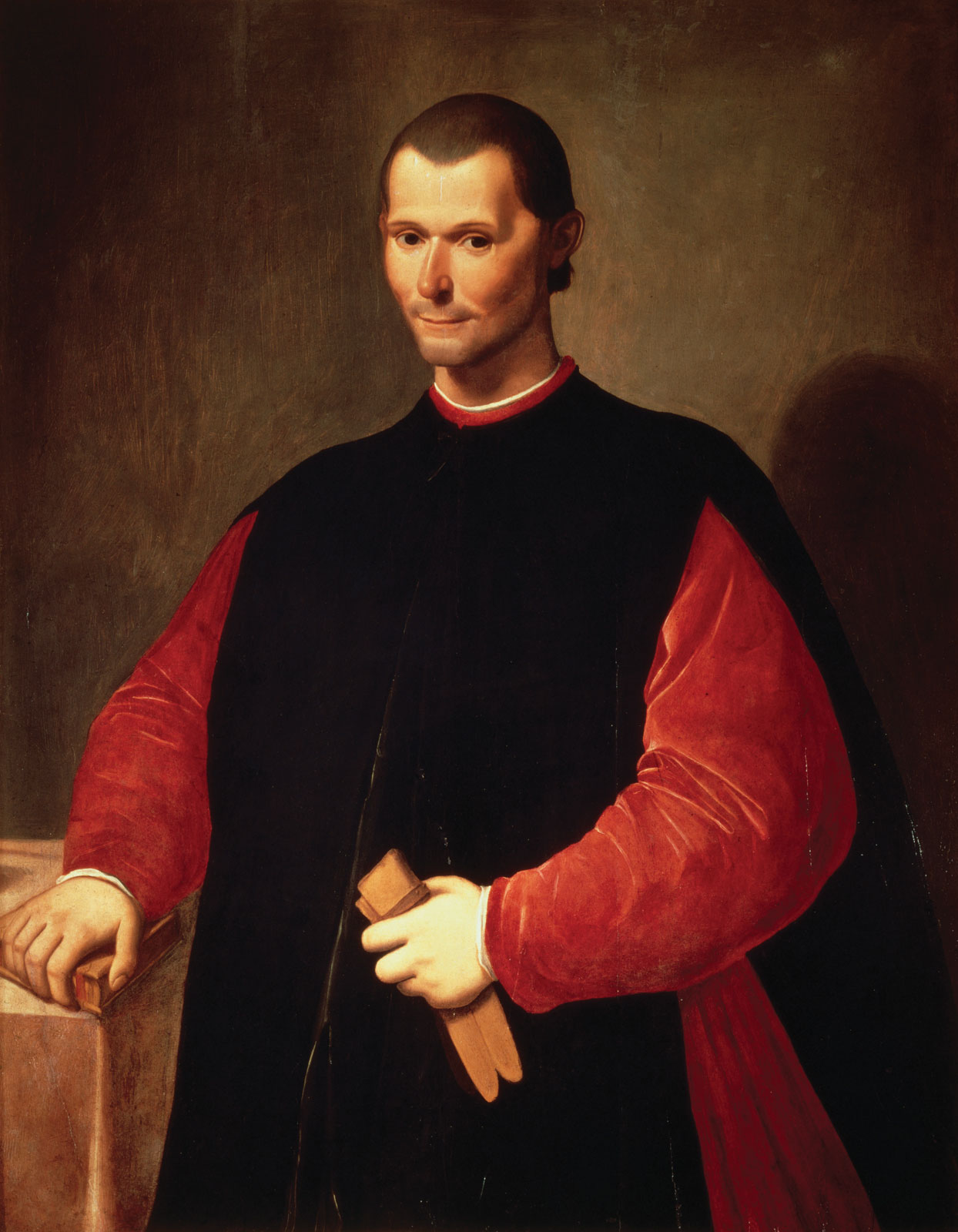
The most dangerous book about power ever written. In 1513, Machiavelli, a disgraced Florentine diplomat expelled from politics, composed this compact treatise addressed to the Medici family. His aim was brutally practical: to prove his usefulness and return to power. What he produced instead was a cold-eyed anatomy of rule, arguing that a ruler's only job is to acquire and maintain power, regardless of the ethical cost. He dissects historical examples, from Alexander the Great to the fractious Italian city-states, to show what works and what fails. The book argues that virtue is a costume, that fear is more reliable than love, and that outcomes matter far more than intentions. The Vatican recognized the threat immediately and banned it. Five centuries later, 'Machiavellian' has become a byword for strategic ruthlessness. Whether you read it as cynical or bracingly honest, this remains the book every leader reads when no one is watching.
Editions
X-Ray
“Everyone sees what you appear to be, few experience what you really are.””
— Niccolò Machiavelli
“If an injury has to be done to a man it should be so severe that his vengeance need not be feared.””
— Niccolò Machiavelli
“The first method for estimating the intelligence of a ruler is to look at the men he has around him.””
— Niccolò Machiavelli
“The lion cannot protect himself from traps, and the fox cannot defend himself from wolves. One must therefore be a fox to recognize traps, and a lion to frighten wolves.””
— Niccolò Machiavelli
“There is no other way to guard yourself against flattery than by making men understand that telling you the truth will not offend you.””
— Niccolò Machiavelli
“Never attempt to win by force what can be won by deception.””
— Niccolò Machiavelli
“it is much safer to be feared than loved because ...love is preserved by the link of obligation which, owing to the baseness of men, is broken at every opportunity for their advantage; but fear preserves you by a dread of punishment which never fails.””
— Niccolò Machiavelli
“Because there are three classes of intellects: one which comprehends by itself; another which appreciates what others comprehend; and a third which neither comprehends by itself nor by the showing of others; the first is the most excellent, the second is good, the third is useless.””
— Niccolò Machiavelli
“How we live is so different from how we ought to live that he who studies what ought to be done rather than what is done will learn the way to his downfall rather than to his preservation.””
— Niccolò Machiavelli
Link to this book
Add a free, dofollow link to Lex on your blog, forum, syllabus, or reading list.

<a href="https://lex-books.com/book/ruhtinas-27c266f7-5b0f-4ace-b0cc-1dd99cad67bb"><img src="https://lex-books.com/badges/read-on-lex.svg" alt="Read Ruhtinas by Niccolò Machiavelli free on Lex" width="160" height="40"></a>[](https://lex-books.com/book/ruhtinas-27c266f7-5b0f-4ace-b0cc-1dd99cad67bb)[url=https://lex-books.com/book/ruhtinas-27c266f7-5b0f-4ace-b0cc-1dd99cad67bb][img]https://lex-books.com/badges/read-on-lex.svg[/img][/url]Read Ruhtinas by Niccolò Machiavelli free on Lex: https://lex-books.com/book/ruhtinas-27c266f7-5b0f-4ace-b0cc-1dd99cad67bbCite this book
Reading this edition for a paper or guide? Copy a citation.
Machiavelli, Niccolò. Ruhtinas. Lex, lex-books.com/book/ruhtinas-27c266f7-5b0f-4ace-b0cc-1dd99cad67bb.Machiavelli, N. (1532). Ruhtinas. Lex. https://lex-books.com/book/ruhtinas-27c266f7-5b0f-4ace-b0cc-1dd99cad67bbMachiavelli, Niccolò. Ruhtinas. Lex. https://lex-books.com/book/ruhtinas-27c266f7-5b0f-4ace-b0cc-1dd99cad67bb.