Macchiavellis Buch Vom Fürsten
1532
Macchiavellis Buch Vom Fürsten
1532
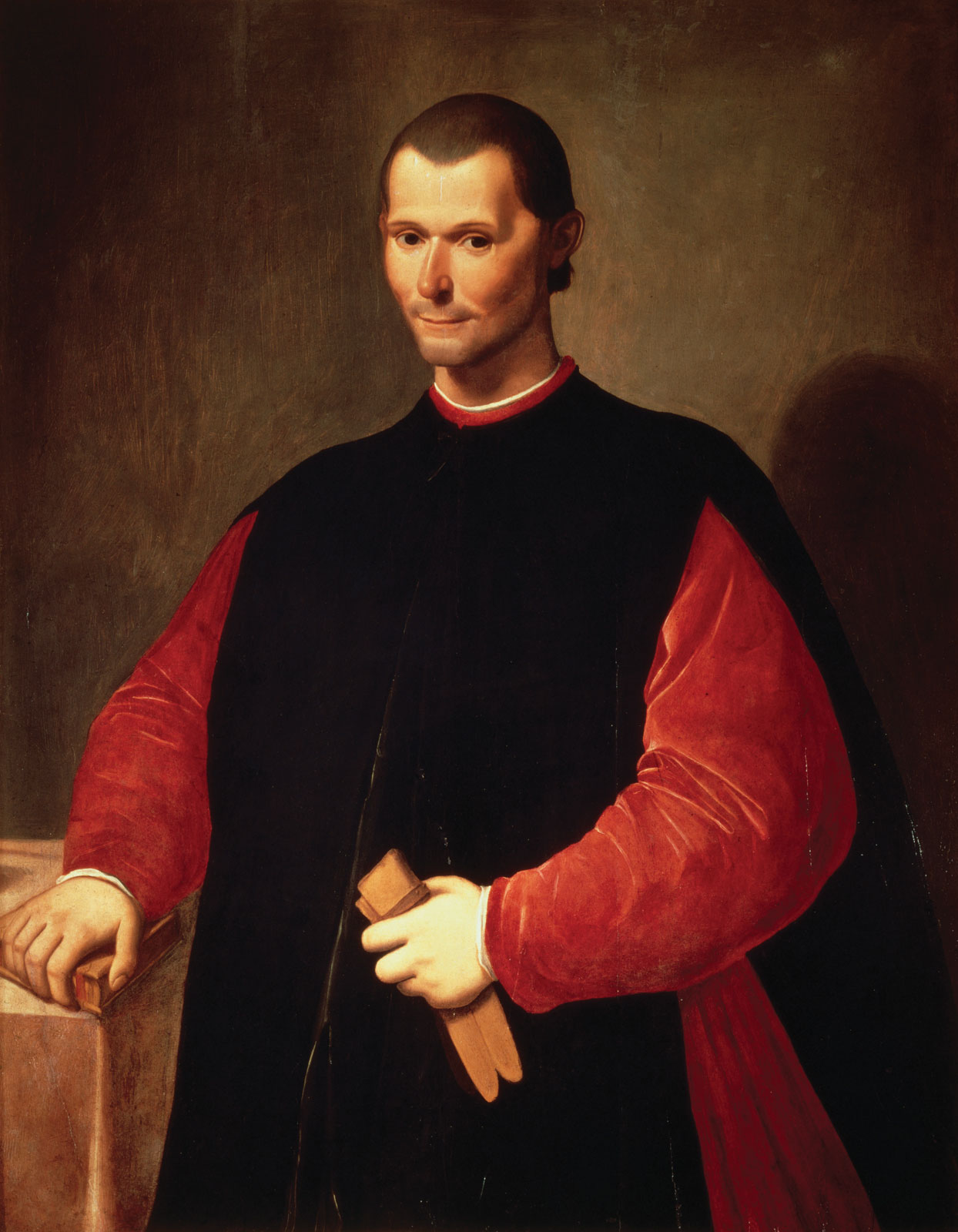
Written in 1513 by a man who had been tortured and exiled by the very forces he once served, The Prince is Machiavelli's brutally honest manual on how power actually works. Discarding every moral pretense that previous political thinkers had wrapped around their advice, Machiavelli examines what rulers must do to acquire, maintain, and defend their authority. He argues that a leader must be willing to act virtuously when advantageous and viciously when necessary, that it's safer to be feared than loved, and that the appearance of morality matters more than actual morality. The book drew on Machiavelli's own involvement in Florentine politics and his careful study of classical history to produce advice that scandalized his contemporaries and fascinated every ruler since. Its cold-eyed clarity about human nature and political necessity has made it both notorious and essential reading for anyone who wants to understand how the world actually operates behind the curtain of official rhetoric. Five centuries later, The Prince remains the indispensable starting point for anyone grappling with the gap between what leaders say and what they do.
Editions
X-Ray
“Everyone sees what you appear to be, few experience what you really are.””
— Niccolò Machiavelli
“If an injury has to be done to a man it should be so severe that his vengeance need not be feared.””
— Niccolò Machiavelli
“The first method for estimating the intelligence of a ruler is to look at the men he has around him.””
— Niccolò Machiavelli
“The lion cannot protect himself from traps, and the fox cannot defend himself from wolves. One must therefore be a fox to recognize traps, and a lion to frighten wolves.””
— Niccolò Machiavelli
“There is no other way to guard yourself against flattery than by making men understand that telling you the truth will not offend you.””
— Niccolò Machiavelli
“Never attempt to win by force what can be won by deception.””
— Niccolò Machiavelli
“it is much safer to be feared than loved because ...love is preserved by the link of obligation which, owing to the baseness of men, is broken at every opportunity for their advantage; but fear preserves you by a dread of punishment which never fails.””
— Niccolò Machiavelli
“Because there are three classes of intellects: one which comprehends by itself; another which appreciates what others comprehend; and a third which neither comprehends by itself nor by the showing of others; the first is the most excellent, the second is good, the third is useless.””
— Niccolò Machiavelli
“How we live is so different from how we ought to live that he who studies what ought to be done rather than what is done will learn the way to his downfall rather than to his preservation.””
— Niccolò Machiavelli
Link to this book
Add a free, dofollow link to Lex on your blog, forum, syllabus, or reading list.

<a href="https://lex-books.com/book/macchiavellis-buch-vom-f-rsten-2758bee0-ad3b-4404-9d9c-dc758a031cd3"><img src="https://lex-books.com/badges/read-on-lex.svg" alt="Read Macchiavellis Buch Vom Fürsten by Niccolò Machiavelli free on Lex" width="160" height="40"></a>[](https://lex-books.com/book/macchiavellis-buch-vom-f-rsten-2758bee0-ad3b-4404-9d9c-dc758a031cd3)[url=https://lex-books.com/book/macchiavellis-buch-vom-f-rsten-2758bee0-ad3b-4404-9d9c-dc758a031cd3][img]https://lex-books.com/badges/read-on-lex.svg[/img][/url]Read Macchiavellis Buch Vom Fürsten by Niccolò Machiavelli free on Lex: https://lex-books.com/book/macchiavellis-buch-vom-f-rsten-2758bee0-ad3b-4404-9d9c-dc758a031cd3Cite this book
Reading this edition for a paper or guide? Copy a citation.
Machiavelli, Niccolò. Macchiavellis Buch Vom Fürsten. Lex, lex-books.com/book/macchiavellis-buch-vom-f-rsten-2758bee0-ad3b-4404-9d9c-dc758a031cd3.Machiavelli, N. (1532). Macchiavellis Buch Vom Fürsten. Lex. https://lex-books.com/book/macchiavellis-buch-vom-f-rsten-2758bee0-ad3b-4404-9d9c-dc758a031cd3Machiavelli, Niccolò. Macchiavellis Buch Vom Fürsten. Lex. https://lex-books.com/book/macchiavellis-buch-vom-f-rsten-2758bee0-ad3b-4404-9d9c-dc758a031cd3.