Poems on Various Subjects, Religious and Moral

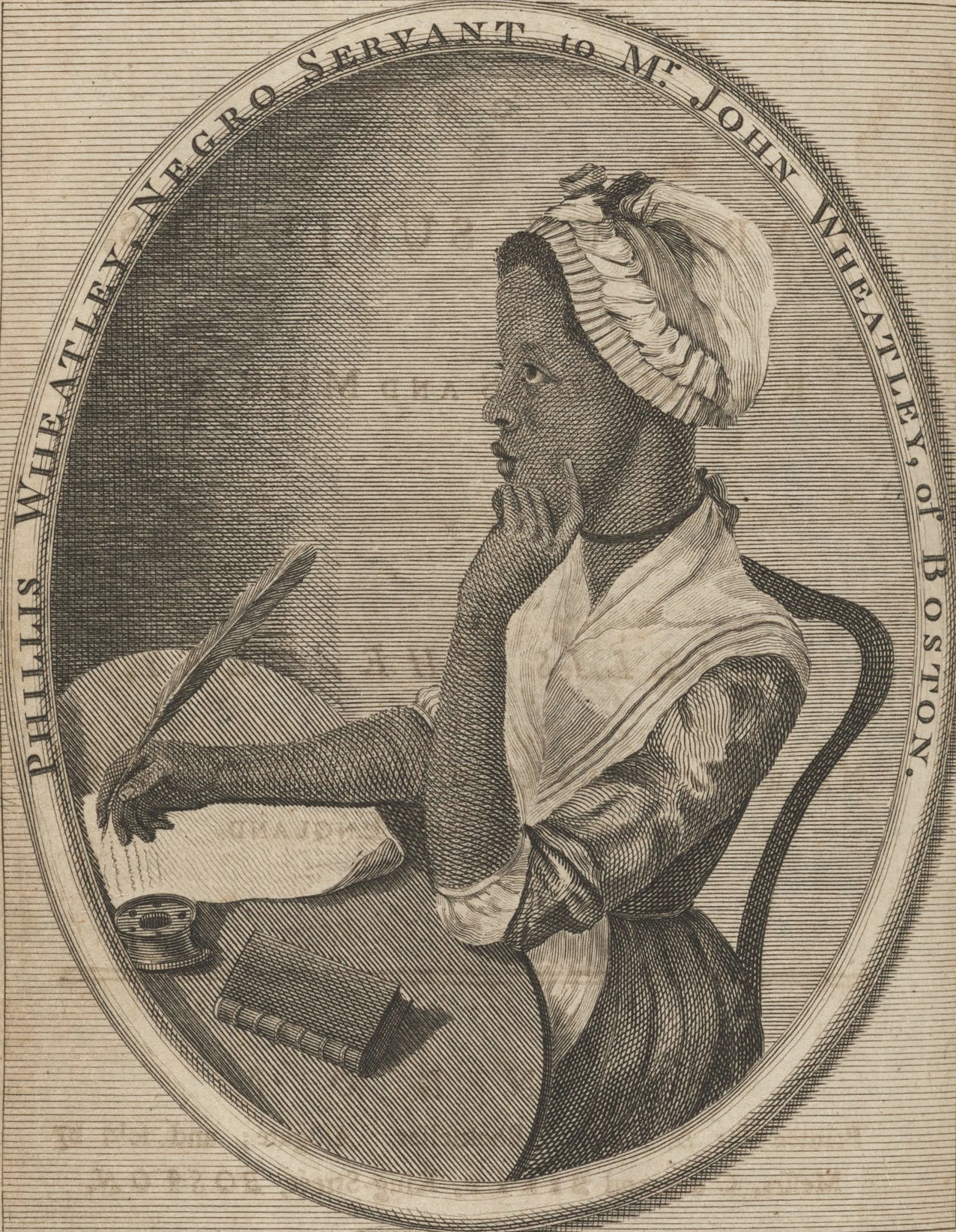
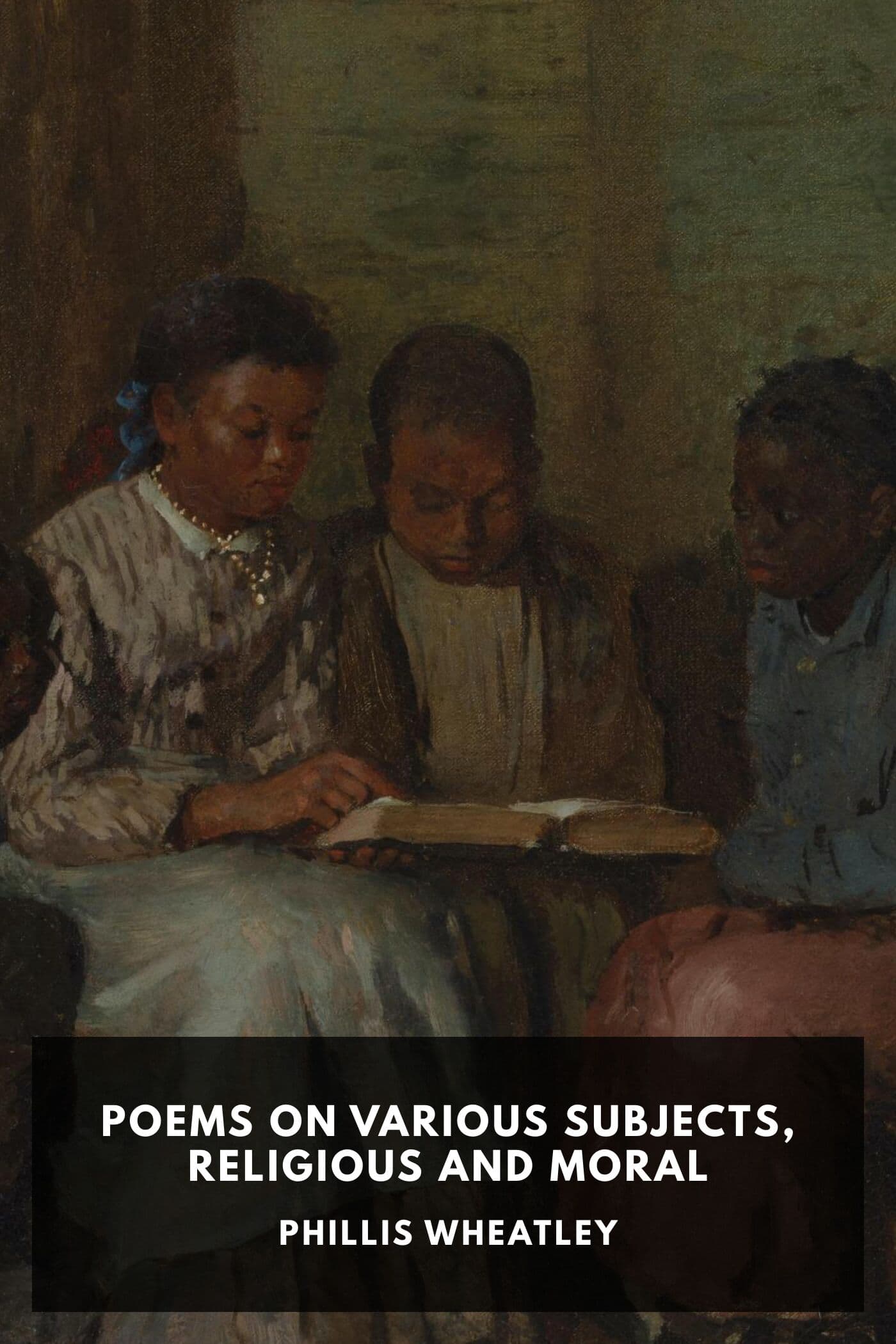
In 1773, a twenty-year-old enslaved woman in Boston published the first book of poetry by an African-American. Phillis Wheatley had been torn from West Africa at seven, sold into slavery, and purchased by the Wheatley family of Massachusetts, who recognized her extraordinary intellect and taught her Latin, Greek, and English literature. Her "Poems on Various Subjects, Religious and Moral" stunned the colonies and transfixed London, with figures like John Adams and Benjamin Franklin marveling at her mastery of Augustan verse. The poems themselves move between classical allusions, Christian piety, and occasional tributes to her owners, a complexity that has sparked centuries of debate about survival, accommodation, and the impossible choices facing an enslaved person who could only speak through a dominant culture's forms. Yet beneath the expected florid praise of benefactors runs a quieter insistence: that a captive voice could command the highest literary registers, that genius knows no color. This book is both a historical document and a testament to the human spirit's refusal to be silenced.
Editions

Link to this book
Add a free, dofollow link to Lex on your blog, forum, syllabus, or reading list.

<a href="https://lex-books.com/book/poems-on-various-subjects-religious-and-moral-07ee07a2-60eb-4a57-9b99-2a3b7419d27b"><img src="https://lex-books.com/badges/read-on-lex.svg" alt="Read Poems on Various Subjects, Religious and Moral by Phillis Wheatley free on Lex" width="160" height="40"></a>[](https://lex-books.com/book/poems-on-various-subjects-religious-and-moral-07ee07a2-60eb-4a57-9b99-2a3b7419d27b)[url=https://lex-books.com/book/poems-on-various-subjects-religious-and-moral-07ee07a2-60eb-4a57-9b99-2a3b7419d27b][img]https://lex-books.com/badges/read-on-lex.svg[/img][/url]Read Poems on Various Subjects, Religious and Moral by Phillis Wheatley free on Lex: https://lex-books.com/book/poems-on-various-subjects-religious-and-moral-07ee07a2-60eb-4a57-9b99-2a3b7419d27bCite this book
Reading this edition for a paper or guide? Copy a citation.
Wheatley, Phillis. Poems on Various Subjects, Religious and Moral. Lex, lex-books.com/book/poems-on-various-subjects-religious-and-moral-07ee07a2-60eb-4a57-9b99-2a3b7419d27b.Wheatley, P. (n.d.). Poems on Various Subjects, Religious and Moral. Lex. https://lex-books.com/book/poems-on-various-subjects-religious-and-moral-07ee07a2-60eb-4a57-9b99-2a3b7419d27bWheatley, Phillis. Poems on Various Subjects, Religious and Moral. Lex. https://lex-books.com/book/poems-on-various-subjects-religious-and-moral-07ee07a2-60eb-4a57-9b99-2a3b7419d27b.