Phoebe, Junior
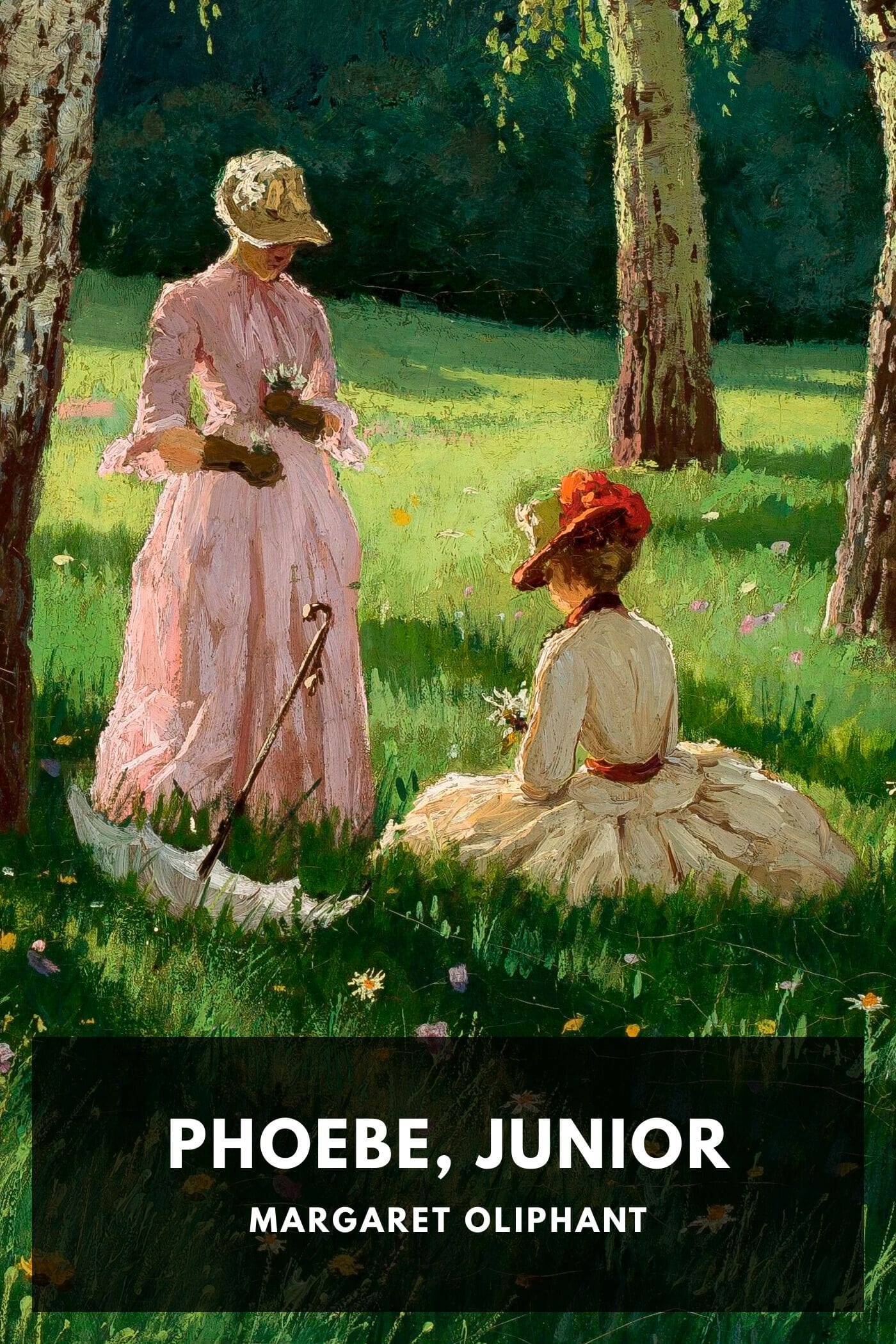
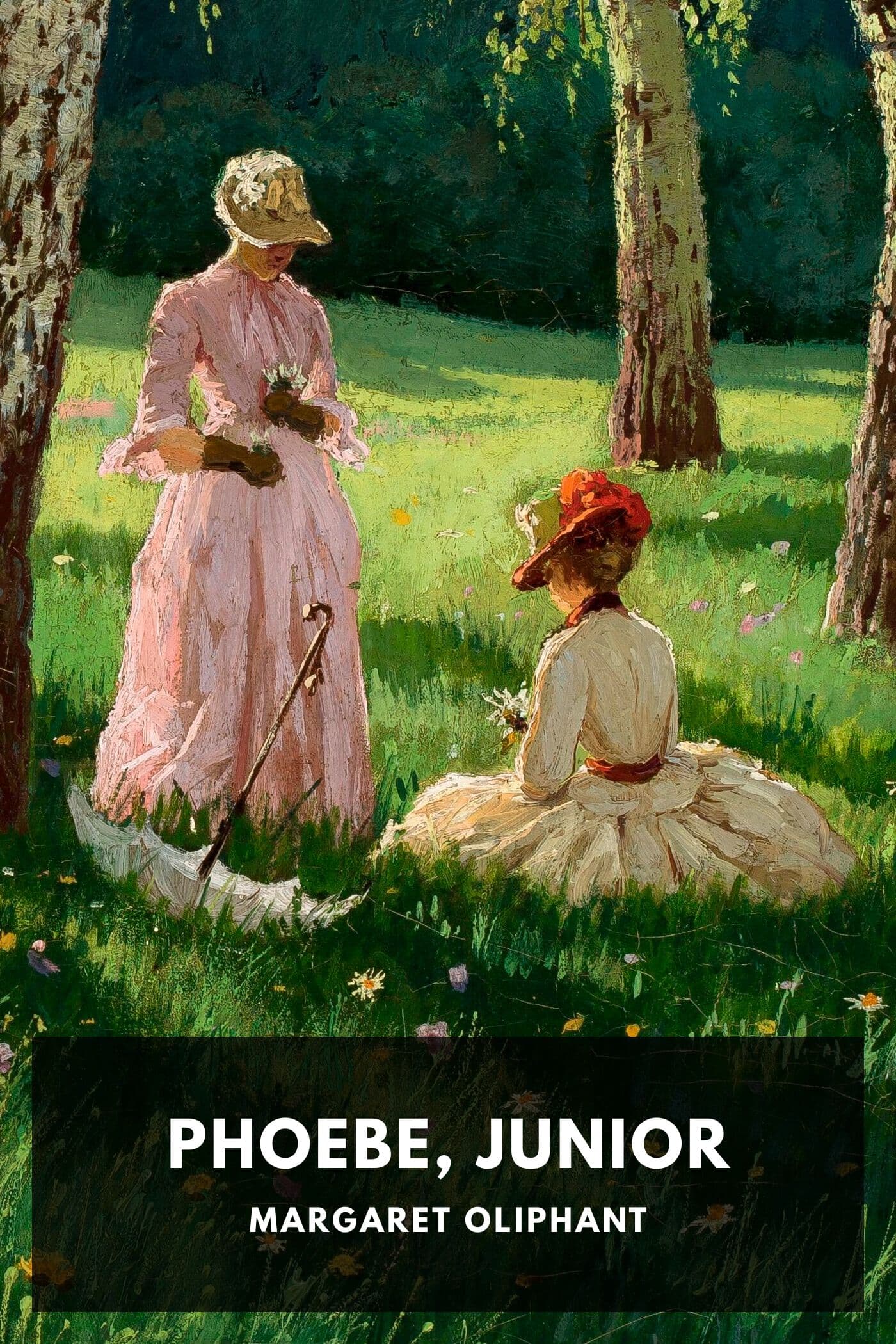
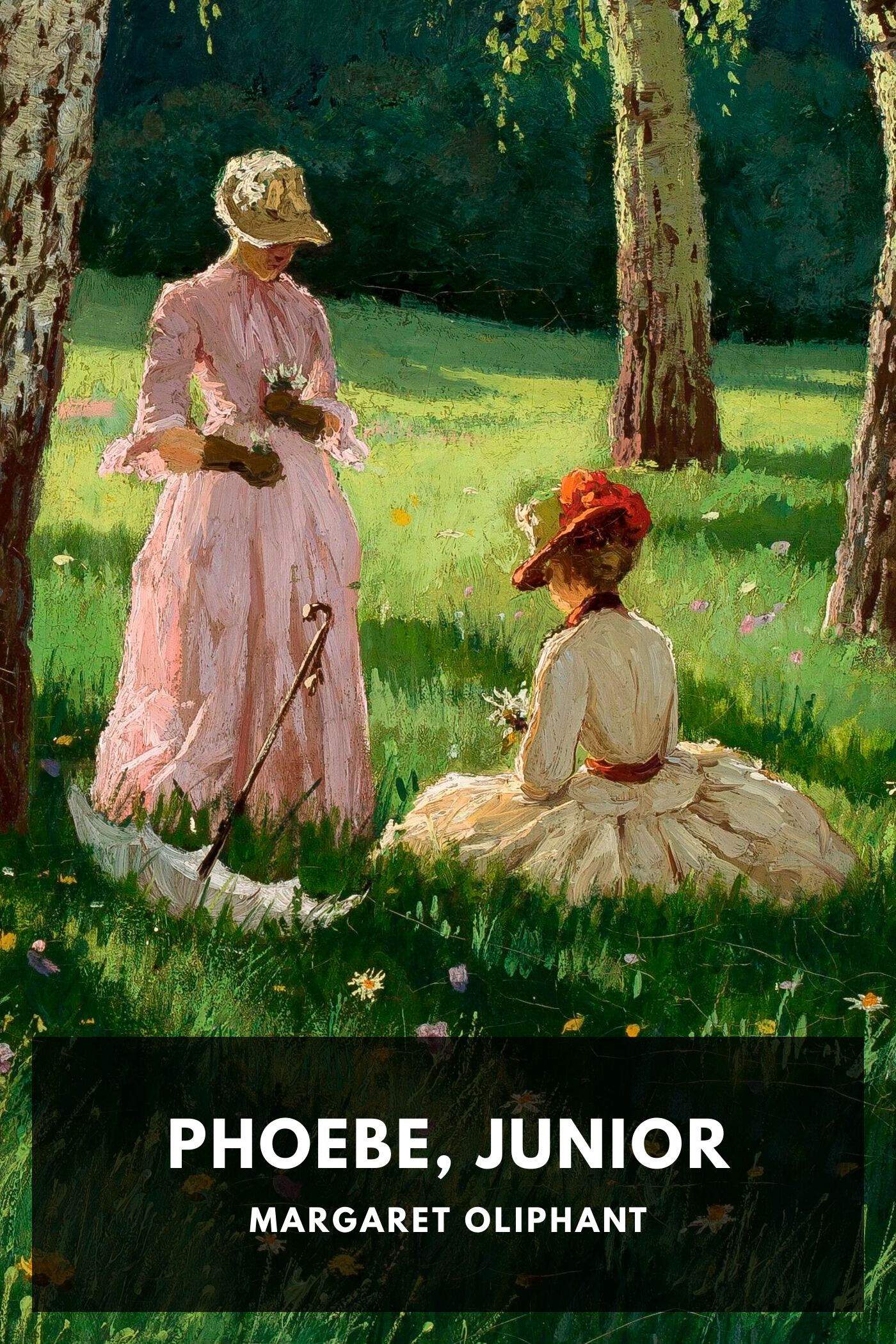
Twenty years after the conclusion of *Salem Chapel*, Margaret Oliphant revisits Carlingford through the eyes of Phoebe Beecher, the sharp, socially adept daughter of the original Phoebe Tozer. Now a sophisticated young woman, Phoebe Junior finds herself back in the provincial town to care for her ailing grandmother. Here, she encounters Ursula May, a clergyman's daughter whose genteel poverty sharply contrasts with Phoebe's comfortable, if newly acquired, status. Oliphant masterfully dissects the intricate social hierarchies of Victorian England, particularly the nuanced distinctions between Dissenting wealth and Anglican respectability, and the limited avenues available to intelligent young women navigating these complexities. While the specter of matrimony hovers, Oliphant's focus is less on conventional romance and more on the psychological and social pressures shaping her heroines. This ambitious novel stands as a sophisticated critique of its literary contemporaries, notably Anthony Trollope and Charlotte Yonge, by delving deeper into the moral ambiguities of the established church and the pervasive influence of money. Oliphant, a prolific writer, dedicated an unusually long four years to crafting *Phoebe, Junior*, imbuing it with a depth of character and social observation that resonates powerfully today. It's a testament to her distinctive voice and keen intellect, offering a compelling portrait of female agency and societal constraints that feels remarkably modern and continues to captivate readers with its nuanced exploration of class, gender, and personal ambition.
Editions
Link to this book
Add a free, dofollow link to Lex on your blog, forum, syllabus, or reading list.

<a href="https://lex-books.com/book/phoebe-junior-40a558e7-e067-4fe1-8cf9-ece7f1807422"><img src="https://lex-books.com/badges/read-on-lex.svg" alt="Read Phoebe, Junior by Margaret Oliphant free on Lex" width="160" height="40"></a>[](https://lex-books.com/book/phoebe-junior-40a558e7-e067-4fe1-8cf9-ece7f1807422)[url=https://lex-books.com/book/phoebe-junior-40a558e7-e067-4fe1-8cf9-ece7f1807422][img]https://lex-books.com/badges/read-on-lex.svg[/img][/url]Read Phoebe, Junior by Margaret Oliphant free on Lex: https://lex-books.com/book/phoebe-junior-40a558e7-e067-4fe1-8cf9-ece7f1807422Cite this book
Reading this edition for a paper or guide? Copy a citation.
Oliphant, Margaret. Phoebe, Junior. Lex, lex-books.com/book/phoebe-junior-40a558e7-e067-4fe1-8cf9-ece7f1807422.Oliphant, M. (n.d.). Phoebe, Junior. Lex. https://lex-books.com/book/phoebe-junior-40a558e7-e067-4fe1-8cf9-ece7f1807422Oliphant, Margaret. Phoebe, Junior. Lex. https://lex-books.com/book/phoebe-junior-40a558e7-e067-4fe1-8cf9-ece7f1807422.