Philosophy of Style

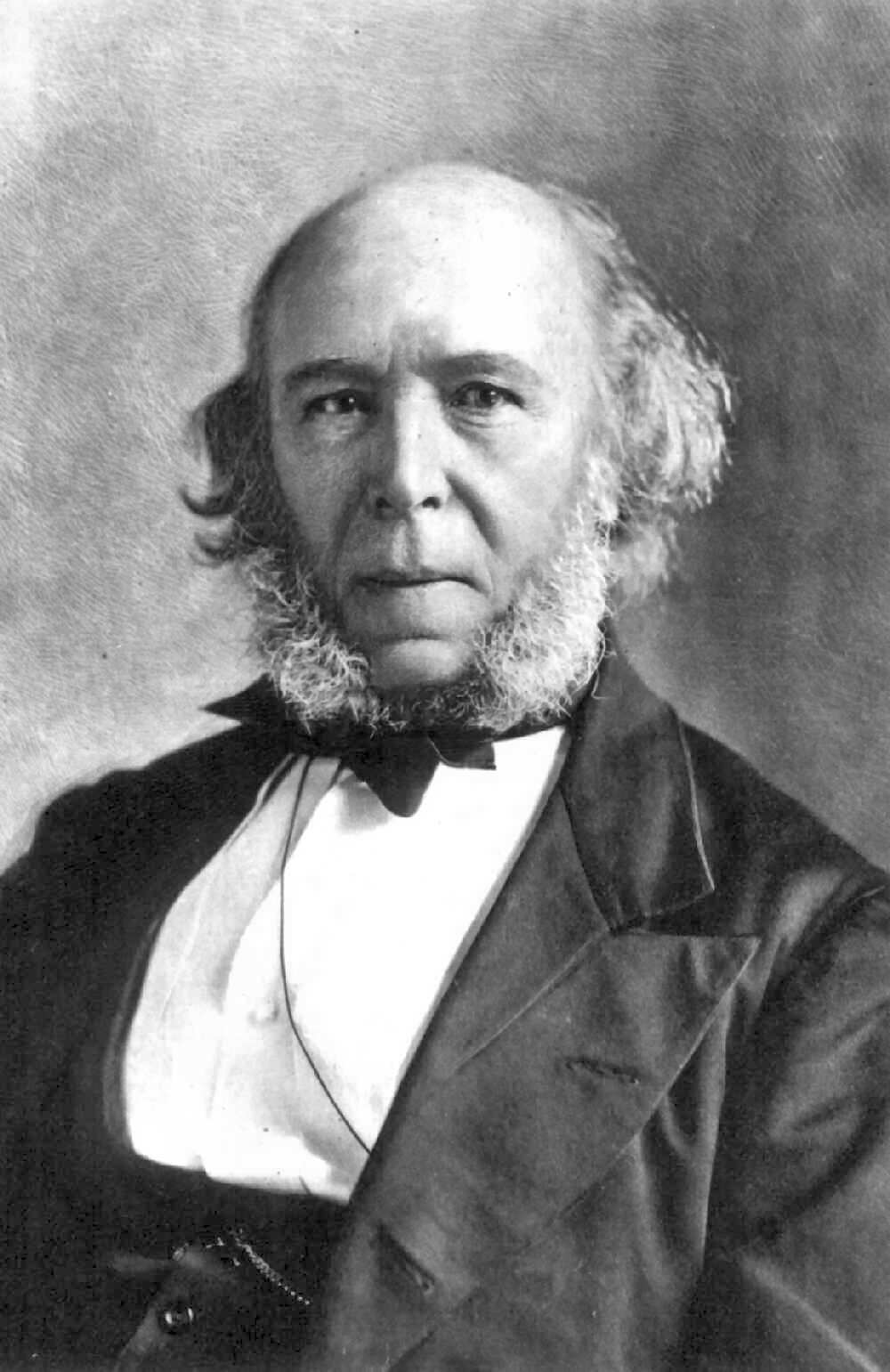
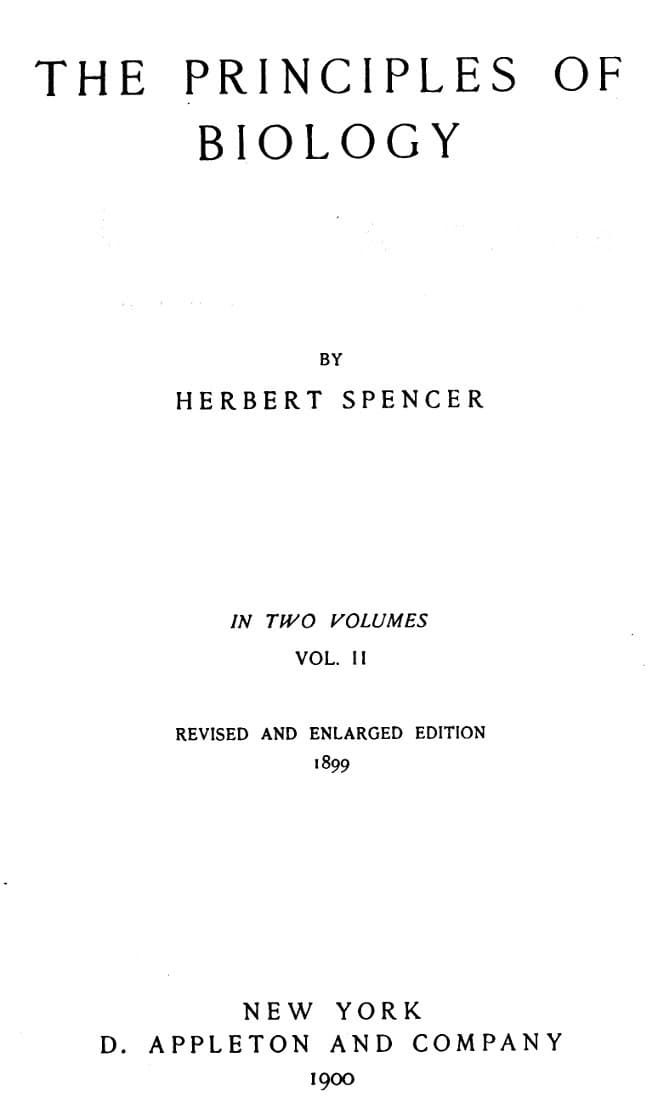
Herbert Spencer's 1871 treatise asks a deceptively simple question: why should reading feel like work? Writing decades before readability scores existed, Spencer argued that effective prose is evolutionary - it has adapted to minimize the mental effort readers expend deciphering meaning. This radical premise - that good style is invisible, that the reader's mind should glide through prose frictionless and unencumbered - would influence generations of writers seeking clarity. Spencer dissects the English sentence with scientific precision, examining how word order, syllable weight, and rhythmic placement either aid or obstruct comprehension. His central insight is economy of attention: every unnecessary word or awkward construction costs the reader precious cognitive energy. This principle predates cognitive psychology yet anticipates its findings about how minds process information. The book endures because its fundamental claim remains true. Clear writing is not natural - it is crafted, often painfully, by writers willing to subordinate their own elegance to the reader's ease. Anyone who writes, edits, or teaches prose will find in Spencer a surprising ally.
Editions

Link to this book
Add a free, dofollow link to Lex on your blog, forum, syllabus, or reading list.

<a href="https://lex-books.com/book/philosophy-of-style-18b3e1f4-1abf-410b-b34c-45666318250b"><img src="https://lex-books.com/badges/read-on-lex.svg" alt="Read Philosophy of Style by Herbert Spencer free on Lex" width="160" height="40"></a>[](https://lex-books.com/book/philosophy-of-style-18b3e1f4-1abf-410b-b34c-45666318250b)[url=https://lex-books.com/book/philosophy-of-style-18b3e1f4-1abf-410b-b34c-45666318250b][img]https://lex-books.com/badges/read-on-lex.svg[/img][/url]Read Philosophy of Style by Herbert Spencer free on Lex: https://lex-books.com/book/philosophy-of-style-18b3e1f4-1abf-410b-b34c-45666318250bCite this book
Reading this edition for a paper or guide? Copy a citation.
Spencer, Herbert. Philosophy of Style. Lex, lex-books.com/book/philosophy-of-style-18b3e1f4-1abf-410b-b34c-45666318250b.Spencer, H. (n.d.). Philosophy of Style. Lex. https://lex-books.com/book/philosophy-of-style-18b3e1f4-1abf-410b-b34c-45666318250bSpencer, Herbert. Philosophy of Style. Lex. https://lex-books.com/book/philosophy-of-style-18b3e1f4-1abf-410b-b34c-45666318250b.