Per Amica Silentia Lunae
This slim, strange volume emerged from the autumn of 1919, as Yeats moved through an Ireland being remade by war and revolution. Written in the aftermath of the Easter Rising and amid the chaos of the First World War's end, it represents Yeats at his most personally philosophical - not the public poet of national awakening, but the private thinker wrestling with the artist's place in a world tearing itself apart. The title, borrowed from Virgil, evokes "the friendly silence of the moon" - that liminal space where the mind moves between waking thought and deeper knowing. Through essay and fragment, Yeats examines the artist's solitude, the struggle to create meaningful work amid social collapse, and the mystical traditions that might anchor the self. He draws on the occult, on history, on his own creative crisis. The book reads like a man thinking aloud, searching for solid ground. For readers of Yeats's poetry, it offers a window into the mind behind the myth. It endures because it captures something universal: the terror and necessity of withdrawal, the artist's eternal negotiation between solitude and engagement with the world.
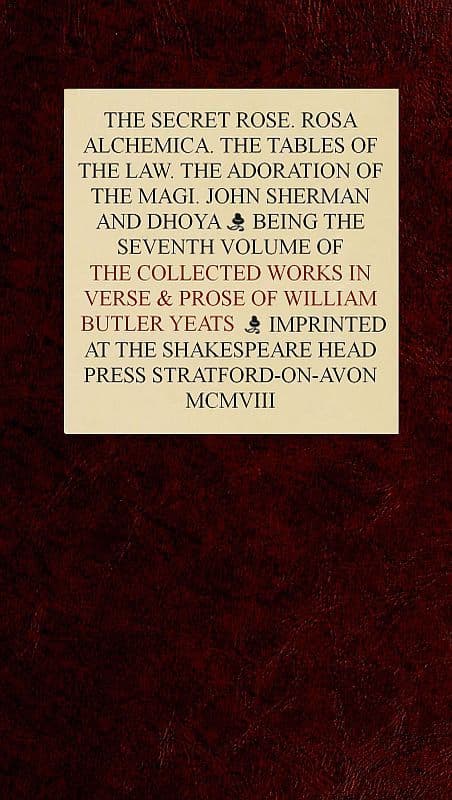
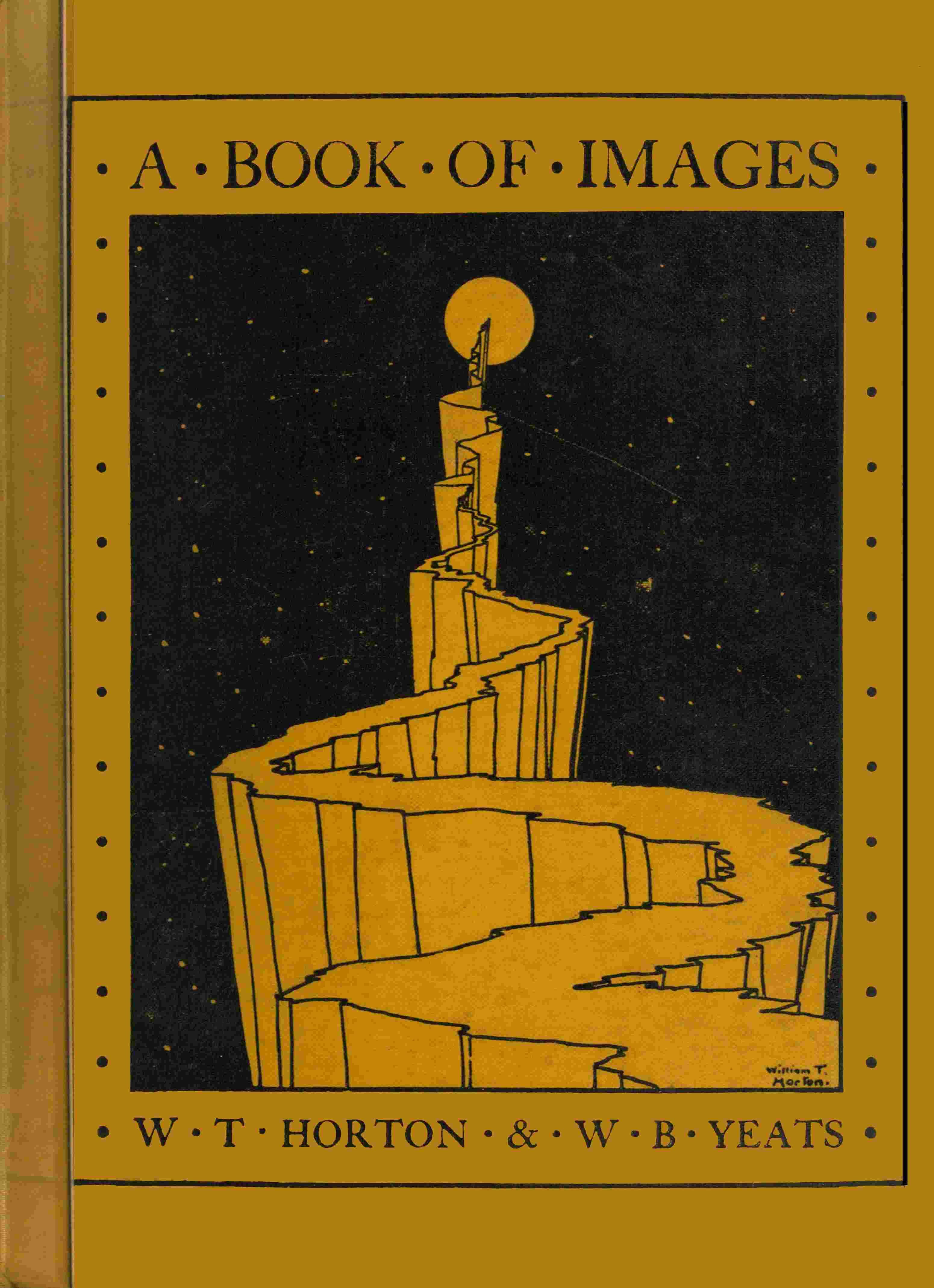
Editions
X-Ray
“Only in rapid and subtle thought, or in faint accents heard in the quiet of the mind, can the thought of the spirit come to us but little changed; for a mind, that grasps objects simultaneously according to the degree of its liberation, does not think the same thought with the mind that sees objects one after another.””
— W. B. Yeats
“He suffers with man as some firm-souled man suffers with the woman he but loves the better because she is extravagant and fickle. His descending power is neither the winding nor the straight line but zigzag, illuminating the passive and active properties, the tree’s two sorts of fruit: it is the sudden lightning, for all his acts of power are instantaneous.””
— W. B. Yeats
“If they had not been rapacious, lustful, narrow and persecuting beyond the people of their time, the incarnation had been impossible; but it was an intellectual impulse from the Condition of Fire that shaped their antithetical self into that of the classic world.””
— W. B. Yeats
Link to this book
Add a free, dofollow link to Lex on your blog, forum, syllabus, or reading list.

<a href="https://lex-books.com/book/per-amica-silentia-lunae-4405853e-8724-4325-9e06-a8ff1c55b3ca"><img src="https://lex-books.com/badges/read-on-lex.svg" alt="Read Per Amica Silentia Lunae by W. B. Yeats free on Lex" width="160" height="40"></a>[](https://lex-books.com/book/per-amica-silentia-lunae-4405853e-8724-4325-9e06-a8ff1c55b3ca)[url=https://lex-books.com/book/per-amica-silentia-lunae-4405853e-8724-4325-9e06-a8ff1c55b3ca][img]https://lex-books.com/badges/read-on-lex.svg[/img][/url]Read Per Amica Silentia Lunae by W. B. Yeats free on Lex: https://lex-books.com/book/per-amica-silentia-lunae-4405853e-8724-4325-9e06-a8ff1c55b3caCite this book
Reading this edition for a paper or guide? Copy a citation.
Yeats, W. B.. Per Amica Silentia Lunae. Lex, lex-books.com/book/per-amica-silentia-lunae-4405853e-8724-4325-9e06-a8ff1c55b3ca.Yeats, W. B. (n.d.). Per Amica Silentia Lunae. Lex. https://lex-books.com/book/per-amica-silentia-lunae-4405853e-8724-4325-9e06-a8ff1c55b3caYeats, W. B.. Per Amica Silentia Lunae. Lex. https://lex-books.com/book/per-amica-silentia-lunae-4405853e-8724-4325-9e06-a8ff1c55b3ca.