Our Nig; Or, Sketches from the Life of a Free Black, in a Two-Story White House, North: Showing That Slavery's Shadows Fall Even There
1859
Our Nig; Or, Sketches from the Life of a Free Black, in a Two-Story White House, North: Showing That Slavery's Shadows Fall Even There
1859
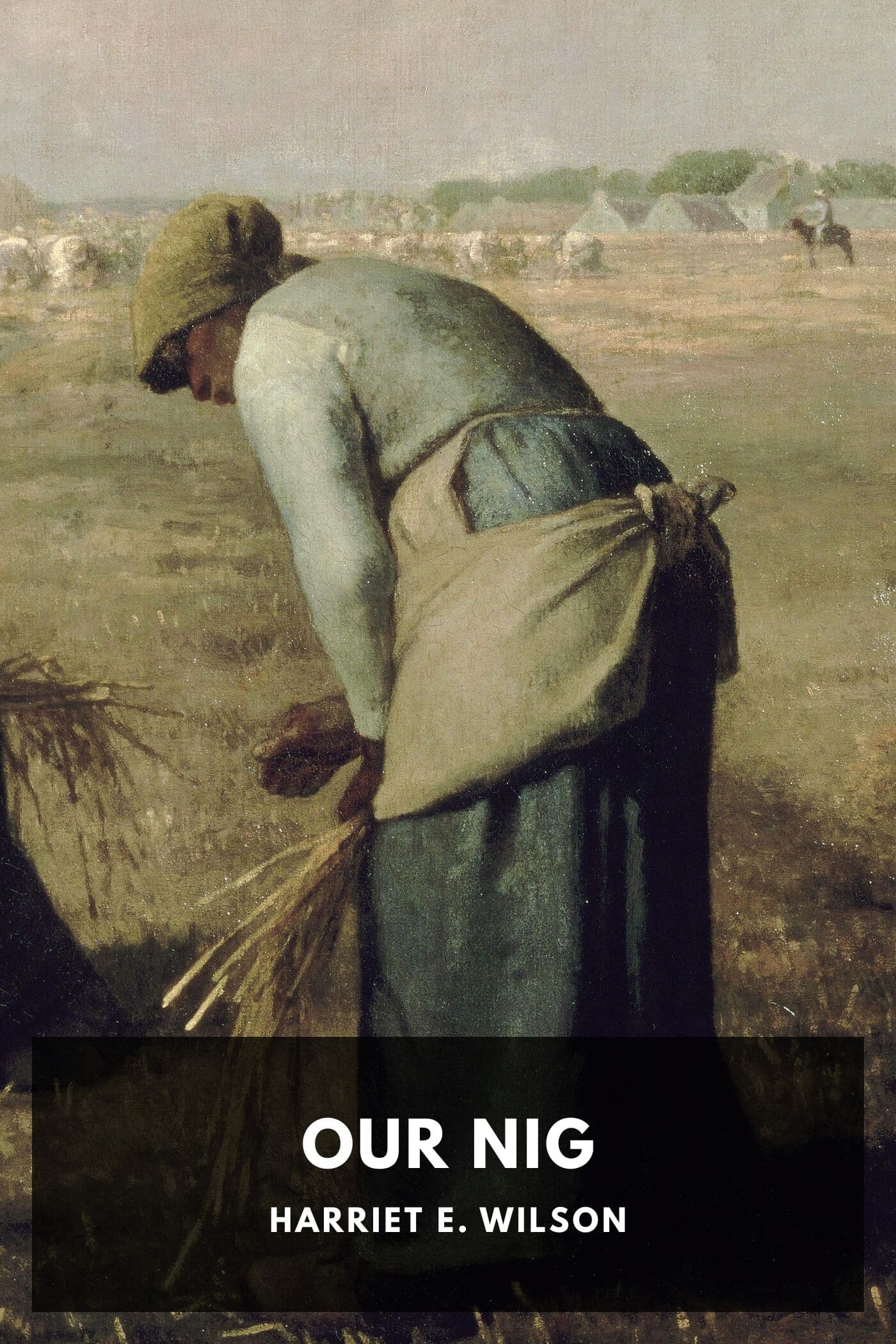
The first novel published by an African American woman in the United States, Our Nig was Harriet E. Wilson's desperate act of literary self-preservation. Written in 1859 when Wilson, a free Black seamstress in New England, found herself abandoned by her husband and unable to support herself and her young son, the book was quite literally her attempt to write her way out of poverty. That it endures nearly two centuries later is itself a kind of miracle. Frado, the biracial girl at the novel's center, carries a name that burns, the white Bellmont family calls her "Nig" with casual contempt. After her mother dies, Frado becomes their servant in a New England town where slavery is technically illegal but where the shadows of bondage fall just as cruelly. She endures physical abuse, relentless degradation, and the particular loneliness of a child who belongs fully to neither world. When she later marries a fugitive slave seeking his freedom, she finds only another abandonment. Wilson offers no redemptive arc, no triumphant escape. Only survival, costly and incomplete. What makes this book essential is not merely its historical priority but its clear-eyed vision: Wilson understood that freedom in the North and freedom in the South were different grades of the same catastrophe. She wrote her suffering into existence and dared the world to witness it.
Editions
Link to this book
Add a free, dofollow link to Lex on your blog, forum, syllabus, or reading list.

<a href="https://lex-books.com/book/our-nig-or-sketches-from-the-life-of-a-free-black-in-a-two-story-white-house-nor-d5d178a0-63ad-49bb-997d-6aa660f9e3d8"><img src="https://lex-books.com/badges/read-on-lex.svg" alt="Read Our Nig; Or, Sketches from the Life of a Free Black, in a Two-Story White House, North: Showing That Slavery's Shadows Fall Even There by Harriet E. Wilson free on Lex" width="160" height="40"></a>[](https://lex-books.com/book/our-nig-or-sketches-from-the-life-of-a-free-black-in-a-two-story-white-house-nor-d5d178a0-63ad-49bb-997d-6aa660f9e3d8)[url=https://lex-books.com/book/our-nig-or-sketches-from-the-life-of-a-free-black-in-a-two-story-white-house-nor-d5d178a0-63ad-49bb-997d-6aa660f9e3d8][img]https://lex-books.com/badges/read-on-lex.svg[/img][/url]Read Our Nig; Or, Sketches from the Life of a Free Black, in a Two-Story White House, North: Showing That Slavery's Shadows Fall Even There by Harriet E. Wilson free on Lex: https://lex-books.com/book/our-nig-or-sketches-from-the-life-of-a-free-black-in-a-two-story-white-house-nor-d5d178a0-63ad-49bb-997d-6aa660f9e3d8Cite this book
Reading this edition for a paper or guide? Copy a citation.
Wilson, Harriet E.. Our Nig; Or, Sketches from the Life of a Free Black, in a Two-Story White House, North: Showing That Slavery's Shadows Fall Even There. Lex, lex-books.com/book/our-nig-or-sketches-from-the-life-of-a-free-black-in-a-two-story-white-house-nor-d5d178a0-63ad-49bb-997d-6aa660f9e3d8.Wilson, H. E. (1859). Our Nig; Or, Sketches from the Life of a Free Black, in a Two-Story White House, North: Showing That Slavery's Shadows Fall Even There. Lex. https://lex-books.com/book/our-nig-or-sketches-from-the-life-of-a-free-black-in-a-two-story-white-house-nor-d5d178a0-63ad-49bb-997d-6aa660f9e3d8Wilson, Harriet E.. Our Nig; Or, Sketches from the Life of a Free Black, in a Two-Story White House, North: Showing That Slavery's Shadows Fall Even There. Lex. https://lex-books.com/book/our-nig-or-sketches-from-the-life-of-a-free-black-in-a-two-story-white-house-nor-d5d178a0-63ad-49bb-997d-6aa660f9e3d8.